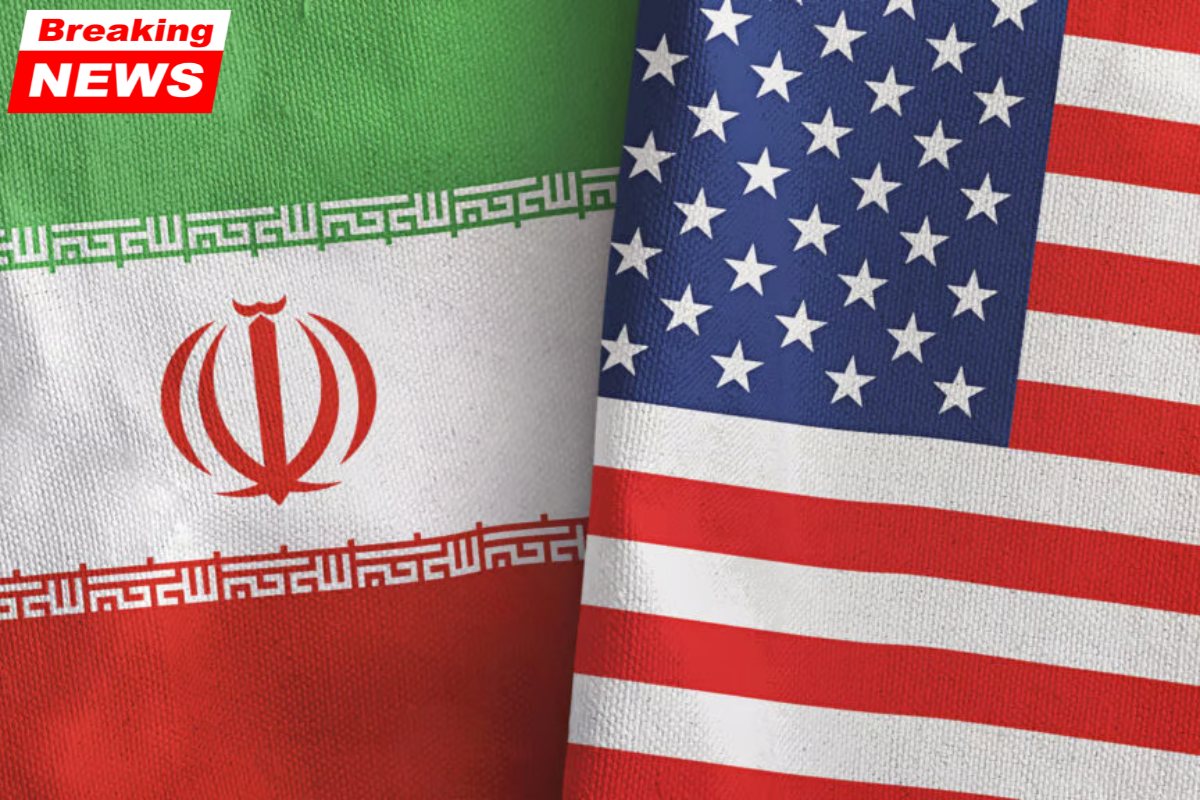
Tensions between the United States and Iran have increased again after recent peace talks failed, with both sides blaming each other for the breakdown. Seyed Abbas Araghchi has openly criticised the U.S., saying that it did not negotiate honestly during the discussions.
Iran Expresses Disappointment Over Talks
Araghchi shared his views on social media after the talks held in Islamabad. He described the meeting as one of the most serious and high-level discussions between the two countries in nearly 47 years. According to him, Iran entered the talks with a genuine intention to end the conflict.
However, he claimed that the United States responded with rigid demands, changing conditions, and pressure tactics like blockades, even when both sides were close to signing an agreement known as the Islamabad Memorandum of Understanding (MoU). He strongly stated that the U.S. failed to learn from past mistakes.
Iran’s President Calls for Respect
Masoud Pezeshkian also shared his opinion, saying that an agreement is still possible if the U.S. respects Iran’s rights and stops acting in a controlling manner. His statement suggests that Iran is still open to dialogue, but only under fair and respectful conditions.
U.S. Response and Strong Stand
On the other hand, U.S. leaders have taken a firm position. Vice President JD Vance said that the U.S. would not compromise on its main demands and warned that the failure of the talks would hurt Iran more than the United States.
Shortly after the talks collapsed, Donald Trump announced a naval blockade targeting Iran and the Strait of Hormuz. This move has further increased tensions and raised concerns about global energy supply and regional stability.
Hope Still Remains for Future Talks
Despite the setback, there is still hope for a peaceful solution. Reports suggest that officials from countries like Turkey and Egypt are working together with Pakistan, the U.S., and Iran to restart discussions. Mediators believe that a deal is still possible if both sides show flexibility. They are trying to resume talks before the ceasefire deadline of April 21.
A U.S. official also mentioned that an agreement can still happen, but Iran needs to accept the current proposal as the best possible option. Meanwhile, Reza Amiri Moghadam, who was part of the talks, said that the Islamabad discussions should be seen as a process rather than a one-time event, suggesting that more negotiations are likely in the future.
The collapse of the U.S.-Iran peace talks has created fresh uncertainty in an already tense situation. While both sides are blaming each other, the risk of further conflict has increased, especially with actions like the naval blockade. At the same time, ongoing efforts by international mediators show that diplomacy is still active behind the scenes.
The coming days will be very important, as both countries must decide whether to continue on a path of confrontation or return to the negotiating table. A peaceful solution will depend on mutual trust, flexibility, and a willingness to compromise.