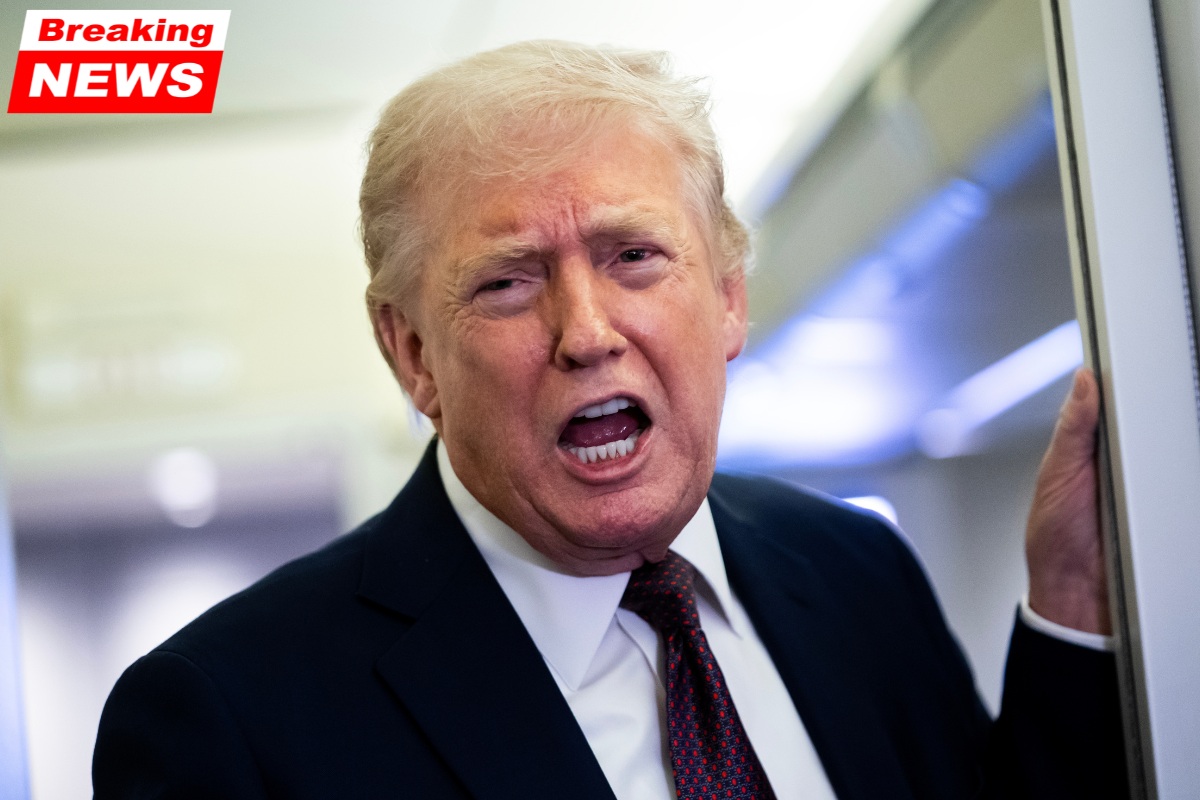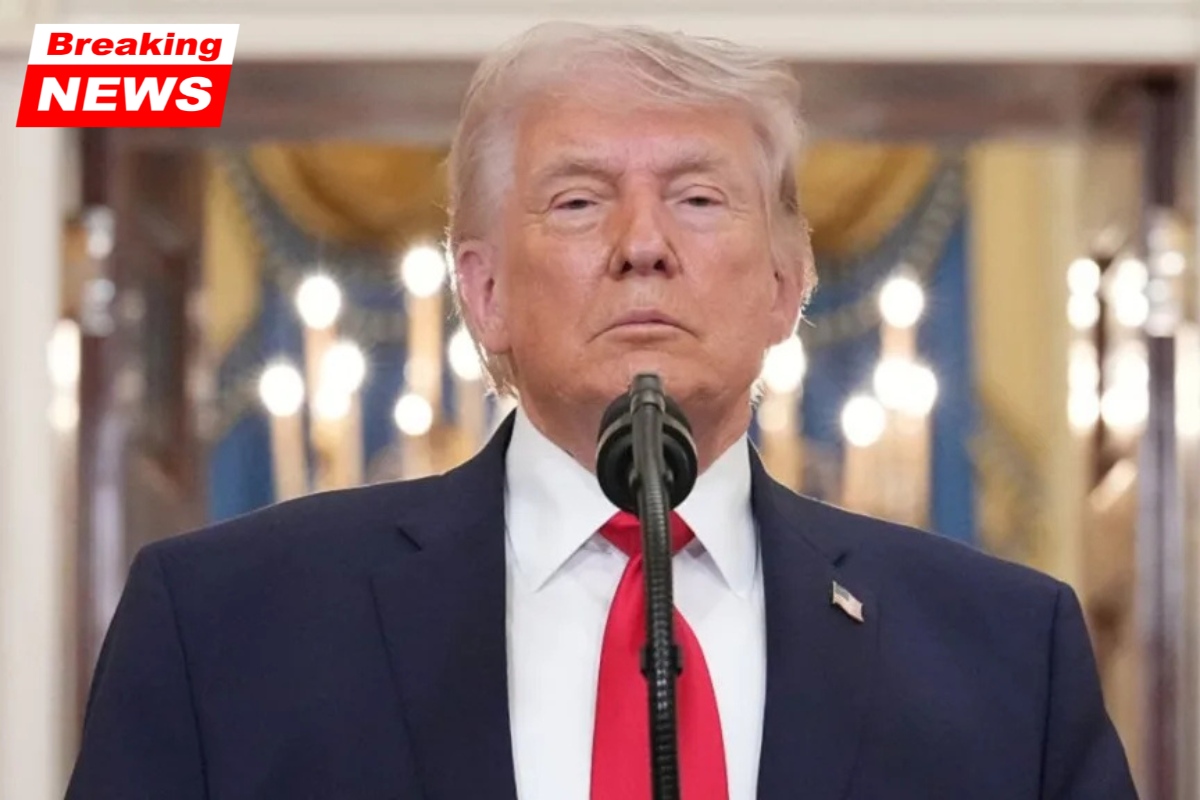
As the US-Israel and Iran conflict enters its sixth week, Iranian military forces have sharply retaliated following President Donald Trump’s aggressive remarks on Sunday. Trump had warned Iran that they would be “living in hell” unless they opened the crucial Strait of Hormuz, a vital waterway for global oil shipments.
Trump’s Outburst on Social Media
In a heated post on Truth Social, Trump intensified his threats towards Iran, saying:
“Tuesday will be Power Plant Day and Bridge Day, all wrapped up in one in Iran. There will be nothing like it!!!”
He further added:
“Open the Fckin’ Strait, you crazy bst*rds, or you’ll be living in Hell – JUST WATCH!”
“Praise be to Allah.”
The post, which was a continuation of his harsh rhetoric, named potential targets in Iran, including power plants and bridges, calling for severe consequences if the Strait of Hormuz wasn’t reopened.
Iran’s Strong Retaliation
In response, the Iranian military issued a stern warning to Trump, stressing that any attack on civilian infrastructure would be met with a far stronger and more devastating retaliation. The military’s statement read:
“If attacks on civilian targets are repeated, the next stages of our offensive and retaliatory operations will be much more devastating and widespread.”
This warning from Iran’s military comes as tensions continue to rise, with the international community closely watching the developments.
Iranian Parliamentary Response
Adding to the mounting tension, Mohammad Bagher Qalibaf, the Speaker of Iran’s Parliament, condemned Trump’s rhetoric and actions, emphasizing the recklessness of the U.S. president. In a tweet on X (formerly Twitter), Qalibaf said:
“Your reckless moves are dragging the United States into a living hell for every single family, and our whole region is going to burn because you insist on following Netanyahu’s commands.”
He continued, warning that Trump’s approach would not yield positive results for the U.S.:
“Make no mistake: You won’t gain anything through war crimes.”
Qalibaf called for a peaceful resolution and urged Trump to respect the Iranian people in order to bring an end to the ongoing conflict:
“The only solution to this conflict is for the president to start respecting the Iranian people and to put a stop to this dangerous game.”
Escalating Tensions: Global Impact
This verbal exchange between Trump and Iranian leaders is just the latest chapter in a dangerously escalating situation. Trump’s threats against Iran’s civilian infrastructure have sparked widespread concern, not only about the humanitarian impact but also the global economic ramifications.
The Strait of Hormuz, through which a significant portion of the world’s oil passes, remains a key geopolitical flashpoint, and any sustained closure or attack could have significant consequences for energy markets worldwide.
As both sides exchange harsh words and escalating threats, the world watches with growing anxiety. Will this conflict spiral further, or will diplomatic solutions emerge to prevent a broader war?
Summary Table
| Key Issue | Details |
|---|---|
| Trump’s Threat | Warned Iran about severe consequences if the Strait of Hormuz is not reopened. |
| Iranian Military Response | Warned of severe retaliation if civilian infrastructure is targeted. |
| Qalibaf’s Condemnation | Accused Trump of reckless moves pushing the U.S. into “living hell” and condemned his reliance on Netanyahu’s influence. |
| Trump’s Specific Targets | Named power plants and bridges in Iran, signaling potential targets. |
| Humanitarian & Economic Concerns | Growing fears about the humanitarian impact of targeting civilian infrastructure and the potential for global energy disruptions. |
The Path Ahead
The rhetorical battle between the U.S. and Iran continues to heighten tensions in the Middle East. Trump’s aggressive language and Iran’s resolute stance set the stage for a potential military confrontation, but it’s unclear whether diplomatic efforts can de-escalate the situation. The next few days, leading up to Tuesday’s deadline, could prove pivotal in determining the direction of the conflict.