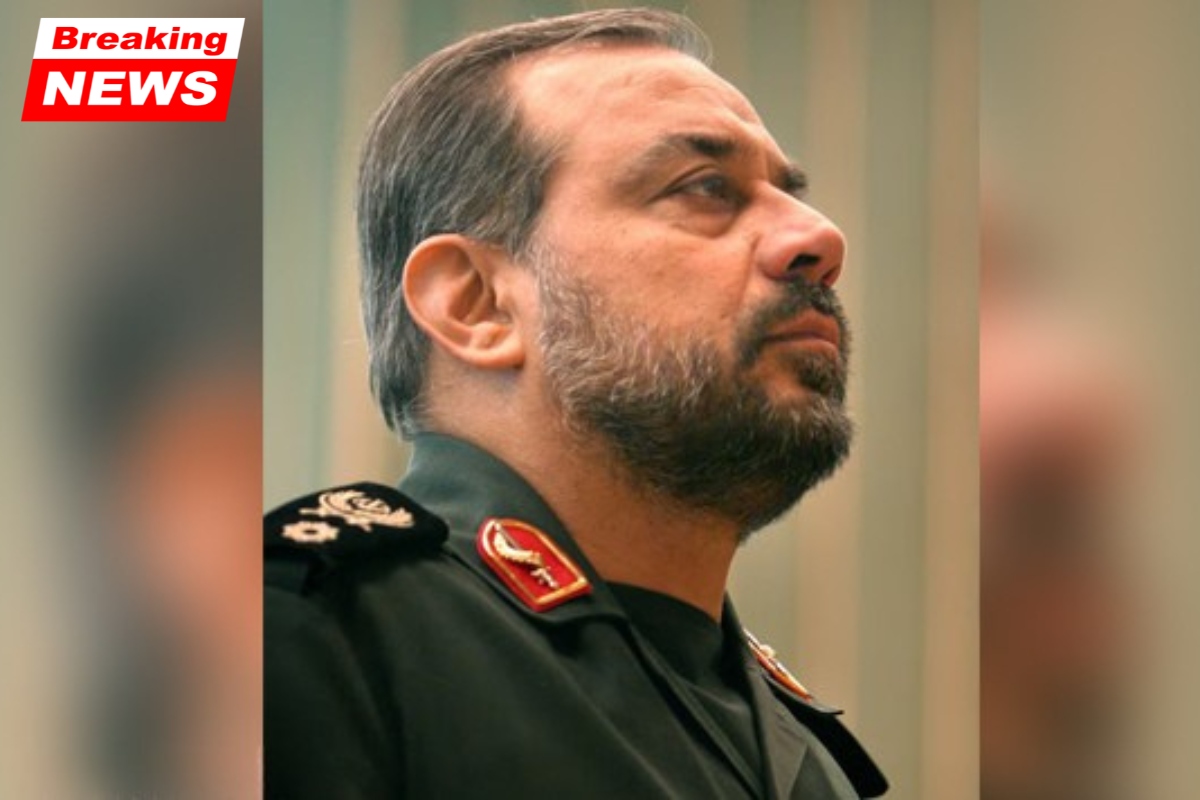
Iran has appointed Mohammad Baqer Zolqadr, a former Revolutionary Guards commander, as the new head of the Supreme National Security Council (SNSC). Zolqadr replaces Ali Larijani, who was killed in U.S.-Israeli strikes last week. This significant political move reflects the continued influence of hardline factions within Iran’s political and military landscape.
Content Overview
| Topic | Description |
|---|---|
| Zolqadr’s Appointment | Details of Zolqadr’s appointment and his role in Iran’s security leadership. |
| Background of Mohammad Baqer Zolqadr | Overview of Zolqadr’s previous roles and experience within Iran’s military and political system. |
| The Role of the SNSC | Explanation of the responsibilities and influence of the Supreme National Security Council in Iran. |
| Larijani’s Death and Implications | The circumstances surrounding Ali Larijani’s death and what it means for Iran’s political dynamics. |
Zolqadr’s Appointment
On March 24, Iran named Mohammad Baqer Zolqadr as the new secretary of the Supreme National Security Council (SNSC), succeeding the late Ali Larijani. Zolqadr, a prominent figure in Iran’s hardline political faction, has held numerous high-profile roles in the country’s security apparatus. His appointment follows the death of Larijani in U.S.-Israeli airstrikes.
This move signifies a shift in Iran’s national security leadership, as Zolqadr is known for his close ties to the Revolutionary Guards and his hardline political views. His appointment comes at a time of heightened tensions between Iran and the West, particularly following Larijani’s sudden death.
Background of Mohammad Baqer Zolqadr
Mohammad Baqer Zolqadr is a former commander of the Islamic Revolutionary Guards Corps (IRGC) and has held various senior positions within Iran’s military and security services. Zolqadr previously served as deputy for security at the Interior Ministry, and as deputy at the armed forces’ general staff. Additionally, he was an advisor to the judiciary chief for crime prevention.
Zolqadr has long been involved in Iran’s hardline political faction, notably heading the electoral headquarters for the Popular Front of Islamic Revolutionary Forces, a group that advocates for a strict interpretation of Iran’s revolutionary ideals.
Since 2022, he has also served as secretary of the Expediency Discernment Council, which is tasked with resolving disputes between Iran’s parliament and the Guardian Council, the body of Shi’ite clerics that holds significant sway over Iran’s legislative processes and elections.
The Role of the SNSC
The Supreme National Security Council (SNSC) plays a central role in shaping Iran’s security policy and managing foreign affairs. While the president, currently Masoud Pezeshkian, formally chairs the council, it is the supreme leader who ultimately holds the final authority over all matters of state, including national security. The SNSC includes key military, intelligence, and government figures, as well as representatives of the supreme leader.
As the new secretary of the SNSC, Zolqadr will have a crucial role in coordinating national security efforts and navigating Iran’s foreign policy, particularly in relation to tensions with the U.S., Israel, and regional adversaries.
Larijani’s Death and Implications
The sudden death of Ali Larijani in U.S.-Israeli strikes represents a significant loss for Iran’s political and security leadership. Larijani had been a key figure in Iran’s foreign policy and security strategy for many years. His death is likely to have a substantial impact on Iran’s political landscape, as it removes a seasoned diplomat and strategic thinker from the scene.
Larijani’s death also signals the intensification of the U.S.-Israel alliance against Iranian interests, particularly in the context of regional conflicts and Iran’s nuclear ambitions. The strikes that led to his death underscore the ongoing geopolitical tensions in the region and the volatility of Iran’s relations with the West.
The appointment of Mohammad Baqer Zolqadr as head of the Supreme National Security Council marks a significant moment in Iran’s political evolution, particularly as the country faces increasing challenges on the international stage. With his background in the Revolutionary Guards and hardline political faction, Zolqadr’s leadership could bring a more confrontational approach to Iran’s security and foreign policy.
His appointment comes at a time of heightened tensions with the U.S. and Israel, and his actions will be closely watched by both domestic and international observers.