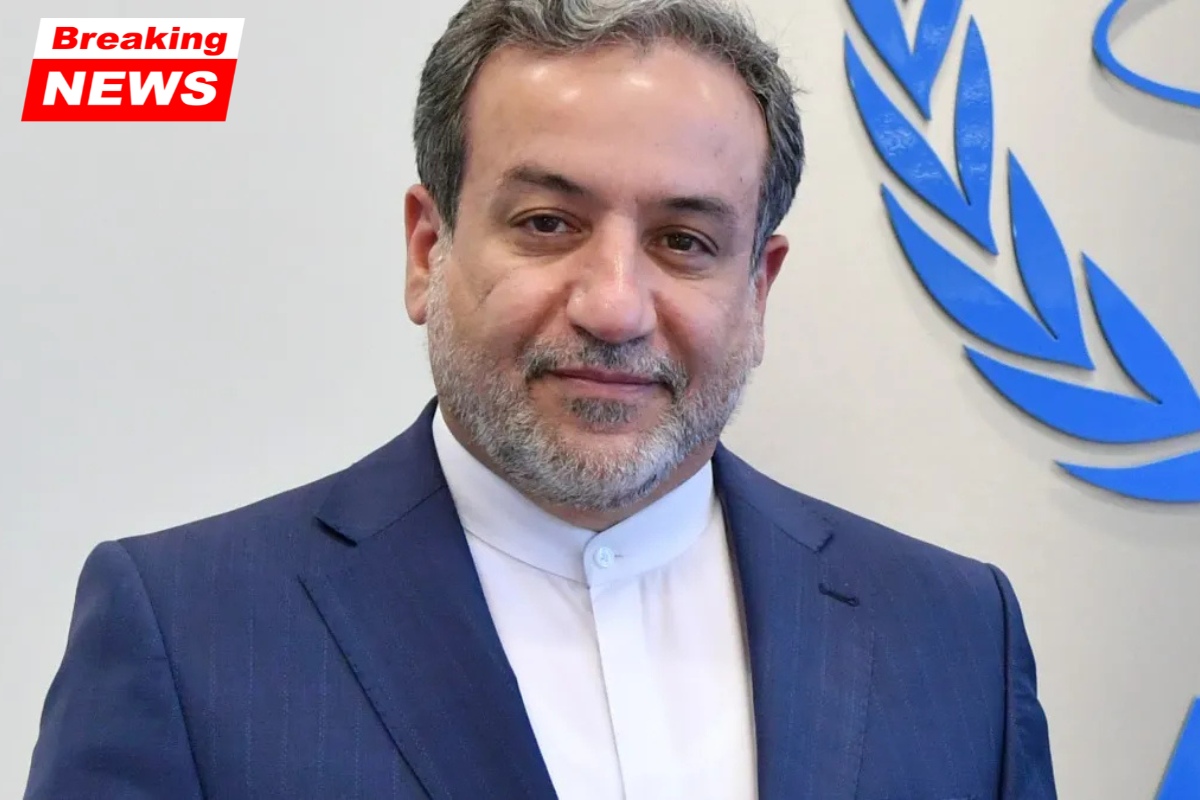
Iran’s Foreign Minister Seyed Abbas Araghchi has raised alarm about the growing financial burden of the ongoing conflict, warning Americans of a potential “trillion-dollar ‘Israel First tax'” that he claims will significantly impact the U.S. economy. Araghchi’s remarks come as tensions in the Middle East continue to escalate, particularly regarding the U.S.’s involvement in military operations in Iran.
Araghchi’s Warning About War Costs
Araghchi, in a post on X (formerly Twitter), claimed that the Pentagon’s reported $200 billion budget request for the ongoing conflict is just the “tip of the iceberg.” He attributed the financial burden to Israeli influence in the U.S. government, accusing Prime Minister Benjamin Netanyahu and his allies in Congress of driving the costs of the war.
Araghchi stated, “Ordinary Americans can thank Benjamin Netanyahu and his lackeys in Congress for the trillion-dollar ‘Israel First tax’ that’s about to hit the U.S. economy.” This $200 billion figure, reported by The Economic Times, reflects the Pentagon’s urgent request for funds to support the war efforts in Iran.
The request aims to ramp up the production of weapons being used in military operations, including airstrikes against Iran. This budget request would significantly exceed the costs of the administration’s airstrike campaign so far, which has been ongoing for several weeks.
The Pentagon’s Request for War Funding
The Pentagon’s $200 billion budget request highlights the increasing financial burden of the conflict, with a focus on producing more munitions and military resources to support U.S. and Israeli military efforts. The goal is to maintain military pressure on Iran, including strikes on key targets in the region.
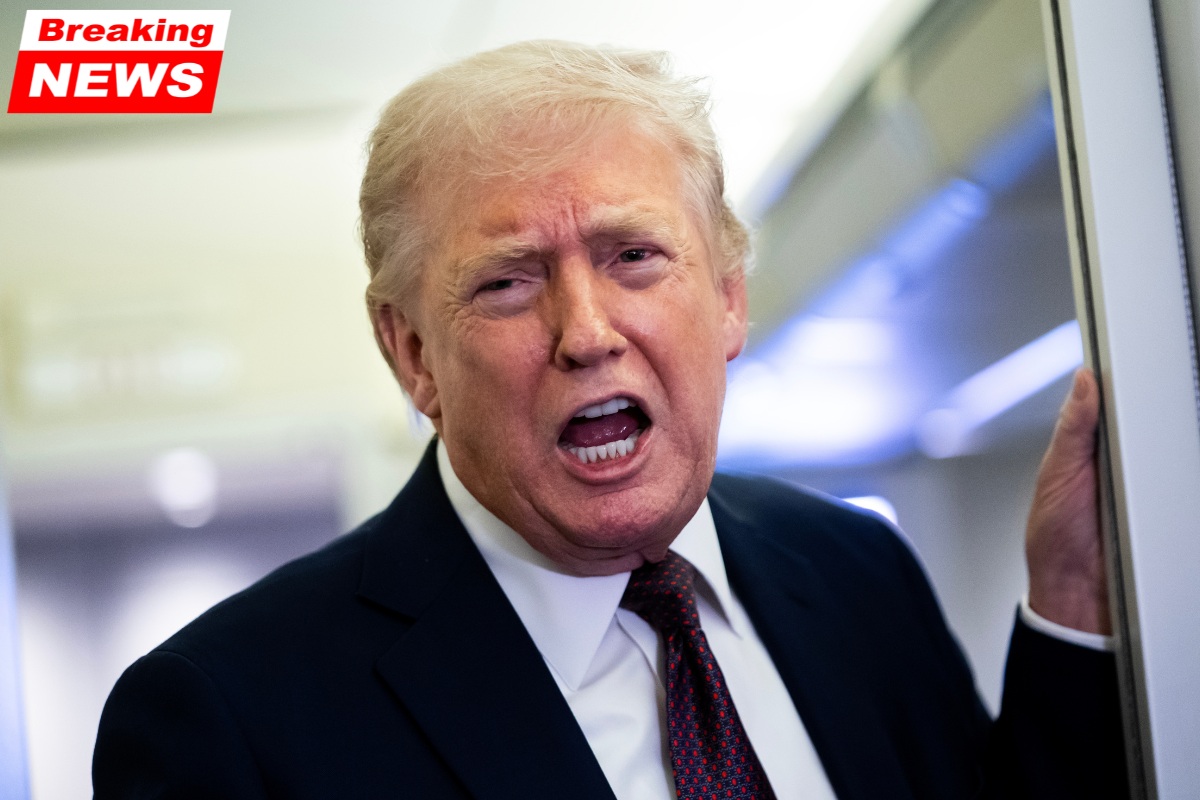
While the Trump administration continues to argue for increased action, critics are concerned about the long-term financial implications, with Araghchi suggesting that the cost of the war is being pushed onto ordinary Americans.
President Trump’s Military Escalation Considerations
As the conflict escalates, President Donald Trump is reportedly considering deploying thousands of U.S. ground troops to the Middle East, particularly to secure the Strait of Hormuz, a vital waterway for oil shipments.
Reports indicate that this mission would involve air and naval forces, with the potential for U.S. ground troops to be stationed on Iran’s Kharg Island, which handles 90% of Iran’s oil exports. Kharg Island has already been targeted in airstrikes as part of the broader conflict.
Such an operation would be highly risky, given Iran’s ability to retaliate with missiles and drones, posing significant danger to U.S. forces.
Trump’s Aggressive Posture Toward Iran and NATO
Trump’s rhetoric regarding the conflict has grown increasingly aggressive. In a social media post, he suggested that the U.S. might consider “finishing off” what remains of Iran’s “Terror State,” and hinted at a strategy that would shift responsibility for the Strait of Hormuz to other nations.
He stated, “I wonder what would happen if we ‘finished off’ what’s left of the Iranian Terror State, and let the countries that use it, we don’t, be responsible for the so-called ‘Straight?’ That would get some of our non-responsive ‘Allies’ in gear, and fast!!!”
In addition to criticizing Iran, Trump has lashed out at NATO, accusing member states of failing to back the U.S. military operation against Iran despite their general support for the broader objective. He labeled NATO a “one-way street,” claiming, “We will protect them, but they will do nothing for us, in particular, in a time of need.”
Trump’s Threats to Gas Field and Global Tensions
Reports have emerged that Trump has also threatened to destroy the world’s largest gas field as part of the escalating conflict with Iran. His comments underscore the high-stakes nature of the situation, which is rapidly spiraling into a broader global conflict with severe economic and geopolitical consequences.
The Growing Conflict: Scope and Costs
The combination of Iran’s foreign minister’s warning about the financial costs of the war, alongside Trump’s increasingly aggressive stance toward both Iran and NATO allies, indicates that the conflict is intensifying in both scope and cost. With no clear resolution in sight, the future of U.S. involvement in the region remains uncertain, and the potential financial burden on Americans is set to increase.