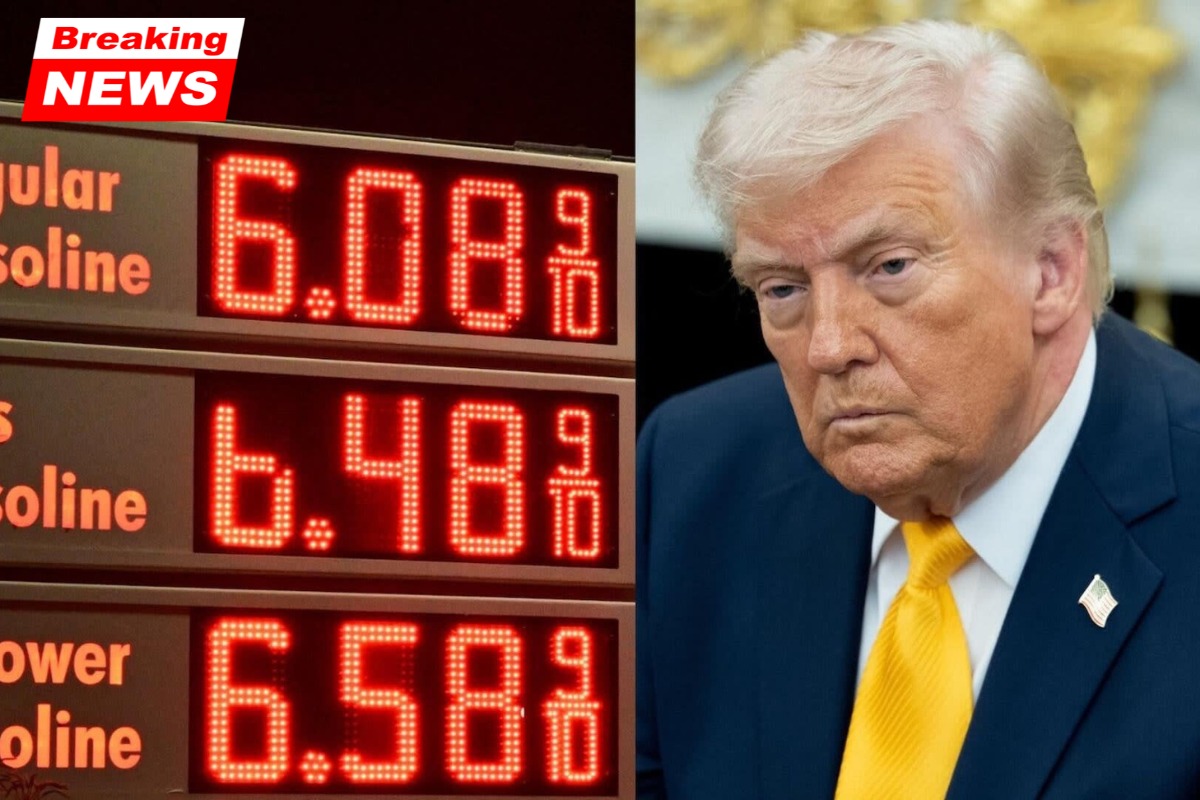
Fuel prices in the United States are rising quickly, mainly because of the ongoing conflict involving Iran. To give some relief to people, the government has decided to temporarily relax certain petrol rules during the summer.
Why Fuel Prices Are Rising
The main reason behind the price increase is the disruption in global oil supply. The conflict has affected the Strait of Hormuz, which is one of the most important routes for transporting oil across the world.
Because of this:
- Oil supply has reduced
- Fuel prices are going up
- Petrol rates are nearing $4 per gallon in the US
This situation has forced the government to take quick action.
What New Rule Has Been Announced
The United States Environmental Protection Agency (EPA) has announced an emergency step to increase fuel supply.
Under this rule:
- Petrol with 15% ethanol (E15) can be sold during summer
- Petrol with 10% ethanol (E10) restrictions are also relaxed
- These rules will apply from May 1 to May 20
Normally, these fuels are restricted during summer because they can increase air pollution in hot weather.
What Are E10 and E15 Fuels
Here’s a simple explanation:
- E10 fuel → Contains 10% ethanol and 90% petrol
- E15 fuel → Contains 15% ethanol and 85% petrol
Ethanol is made from crops like corn and is cheaper than petrol. So, increasing ethanol content helps:
- Reduce fuel cost
- Increase supply
- Give more options to consumers
Why These Rules Are Usually Strict
During summer, the US normally uses special petrol blends. This is because fuels with higher ethanol content can evaporate faster in heat and contribute to pollution.
But in this situation, the government has decided that:
- Controlling prices is more important right now
- Temporary relaxation can help avoid fuel shortage
Other Steps Taken by the Government
The administration led by Donald Trump has taken several steps to control rising fuel prices:
- Released 173 million barrels of oil from emergency reserves
- Allowed foreign ships to transport fuel within the US
- Reduced restrictions on oil imports from Russia
- Increased overall fuel supply
These steps are aimed at stabilising the market and reducing pressure on consumers.
Global Advice on Energy Use
The International Energy Agency has also suggested that people should:
- Drive less when possible
- Save energy in daily life
- Reduce fuel demand
This can help balance supply and demand during the crisis.
What Happens Next
The EPA has said it will keep monitoring the situation. If needed, the temporary rules may be extended beyond May 20.
This means:
- More changes can happen depending on fuel availability
- Government may take further steps if prices keep rising
Key Points Summary
| Topic | Details |
|---|---|
| Main issue | Rising fuel prices due to Iran conflict |
| Key action | Temporary fuel rule relaxation |
| Fuel types allowed | E10 and E15 |
| Rule period | May 1 to May 20 |
| Goal | Increase supply and reduce prices |
| Other steps | Oil release, shipping changes |
The rising fuel prices show how global conflicts can directly affect everyday life. By relaxing fuel rules, the US government is trying to provide quick relief to people facing high petrol costs. However, this is only a short-term solution. Long-term stability will depend on resolving the conflict and restoring global oil supply. Until then, both governments and individuals may need to take careful steps to manage energy use and control expenses.