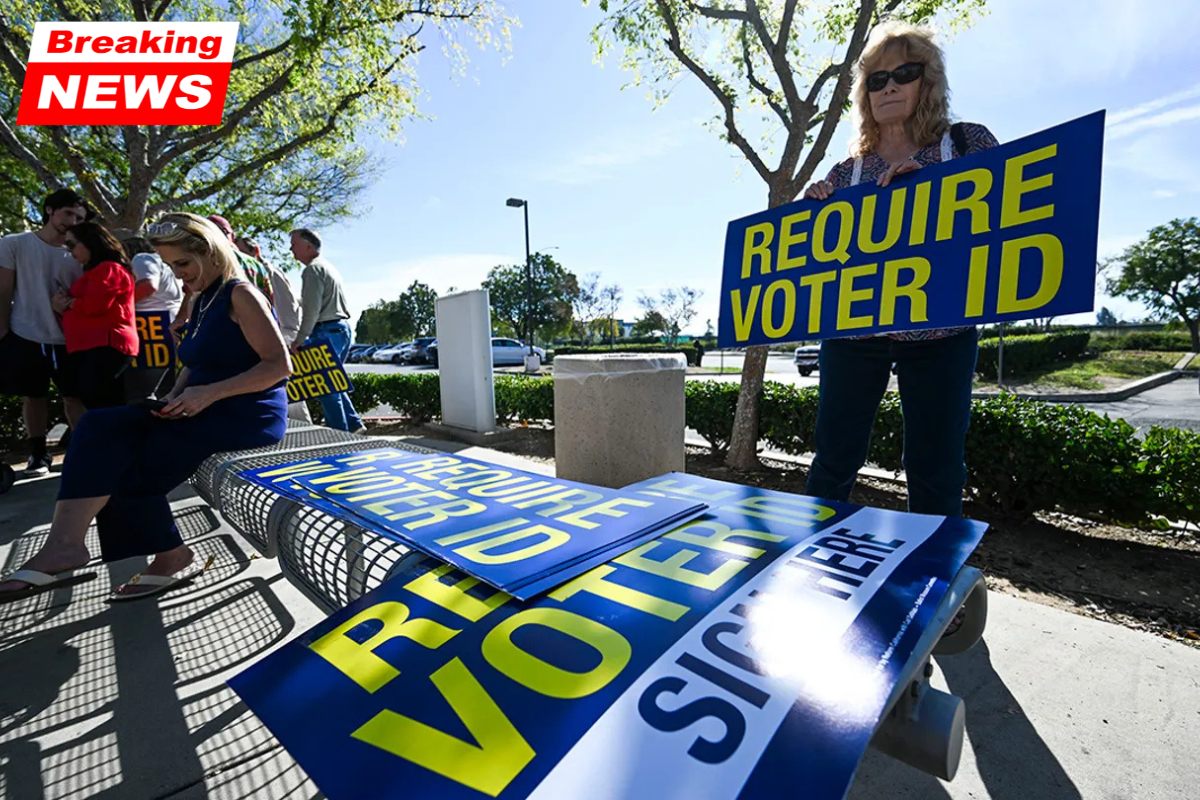
A major legal decision in North Carolina has brought renewed attention to voter ID laws in the United States. After years of legal battles, a federal judge has now ruled that the state’s voter identification law is constitutional, marking a big shift from her earlier stance and giving strong support to those who favour stricter election rules.
What the Court Decided
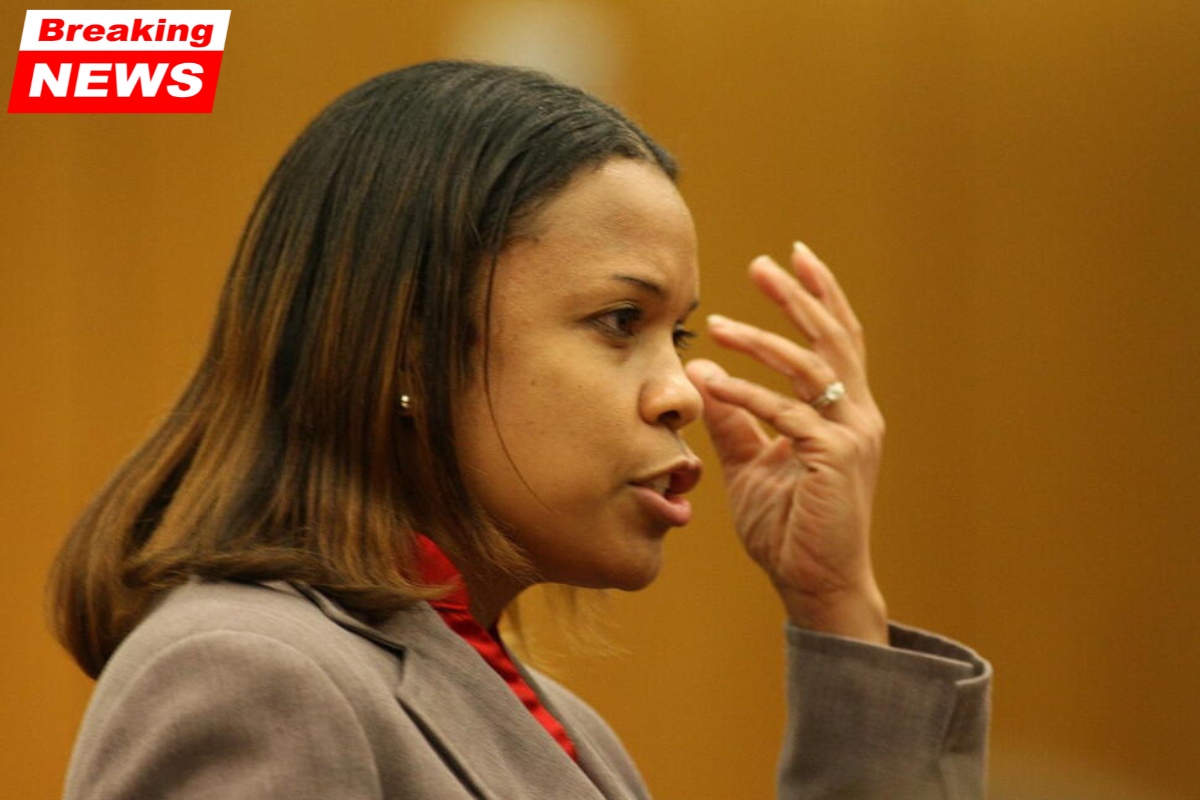
Loretta Biggs, who was appointed by former President Barack Obama, ruled that North Carolina’s voter ID law does not violate the Constitution. This is a significant change because she had earlier blocked the same law in 2019.
In her latest decision, Judge Biggs said that the groups challenging the law could not prove that it was intentionally discriminatory. Even though she acknowledged concerns about past discrimination, she explained that current legal standards required stronger proof to strike down the law.
As a result, the voter ID requirement will remain in place, especially important with the 2026 midterm elections approaching.
Background of the Law
The case is based on a law passed in 2018 by North Carolina’s Republican-led legislature. This law was created to implement a voter-approved constitutional amendment that requires people to show photo identification before voting.
Around 55% of voters in the state had supported this amendment, showing public backing for the rule.
Supporters of the law argue that it helps prevent fraud and increases trust in elections. One of the key defenders, Republican leader Phil Berger, said the ruling finally settles years of uncertainty around the law’s legality.
Why the Case Was Controversial
The case has been highly debated because of concerns about discrimination. Judge Biggs herself noted that North Carolina has a long history of racial discrimination, especially against African American voters. She even found some evidence suggesting the law could affect Black and Latino voters more than others.
However, she also said that higher court rulings limited how much weight she could give to that history. According to current legal standards, courts must assume that lawmakers acted in good faith unless there is very strong proof otherwise. Because of this, she dismissed claims that the law violated constitutional protections like the 14th and 15th Amendments.
Political Reactions and National Impact
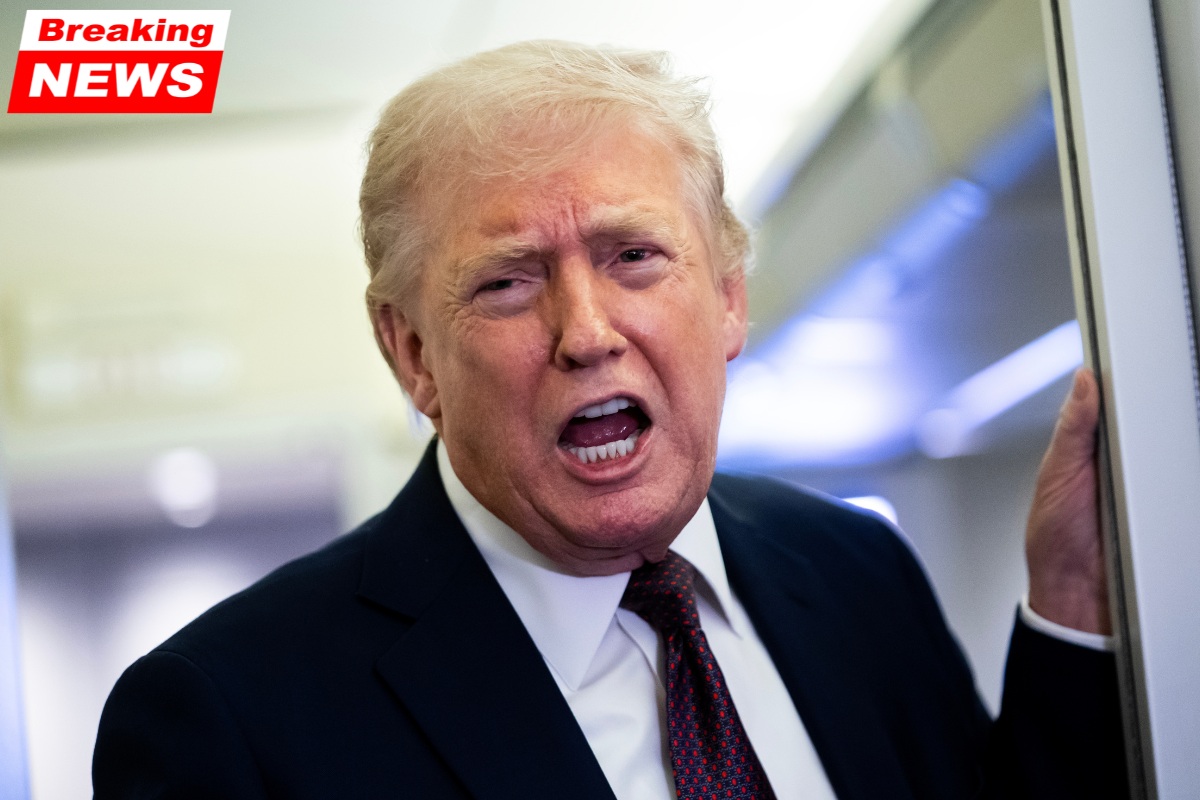
The ruling comes at a time when voter ID laws are a major political issue across the United States. Donald Trump has been strongly pushing for stricter voter ID rules nationwide. He argues that such laws are needed to prevent election fraud and ensure only eligible citizens vote.
On the other hand, many Democrats strongly oppose these laws. Leaders like Chuck Schumer have criticised voter ID requirements, calling them restrictive and harmful to democracy. He has even compared some proposals to past discriminatory practices.
One example is the SAVE America Act, a proposed law that would require proof of citizenship to vote. While it has passed in the House of Representatives, it is currently stalled in the Senate due to opposition from Democrats.
Earlier Court Decisions
This latest ruling is a reversal of Judge Biggs’ earlier decision in 2019, when she blocked the law before the 2020 elections. At that time, she argued that the law may have been influenced by discriminatory intent. However, her decision was later overturned by the U.S. Court of Appeals.
In addition, the state’s Supreme Court also upheld the voter ID law in a separate case. These earlier rulings played an important role in shaping the final outcome of this long legal battle.
What This Means Going Forward
With this decision, North Carolina’s voter ID law will continue to be enforced. Supporters believe it will strengthen election security and public confidence. Critics, however, still worry that it could make voting harder for some groups of people.
This case may also influence similar legal battles in other states. As debates over voting rights and election security continue, this ruling could become an important reference point for future decisions.
The North Carolina voter ID case highlights how complex and sensitive election laws can be in a democracy. While the court has now declared the law constitutional, the debate around fairness and access to voting is far from over.
This decision shows how courts balance historical concerns with current legal standards, even when the issues are deeply political. As the 2026 elections approach, this ruling will likely play a key role in shaping how voting laws are viewed and challenged across the country.