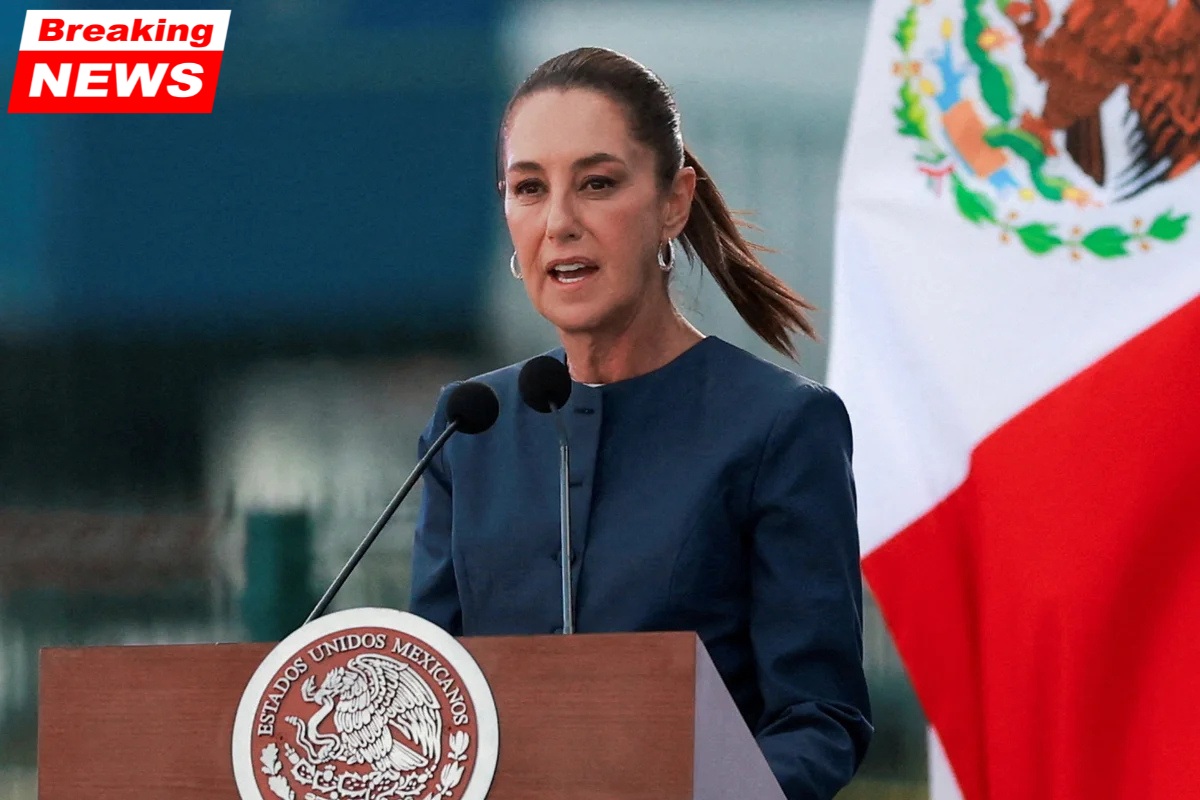
A controversial statement from Mexico’s president has triggered intense political debate after critics accused the government of resisting outside pressure connected to cartel violence and corruption investigations.
The remarks quickly sparked backlash across political circles, with opponents claiming the administration appeared more focused on defending sovereignty than addressing growing security concerns.
Supporters of the government, however, argue the comments were misunderstood and were simply meant to defend Mexico’s independence against foreign interference.
The controversy highlights the increasing tension surrounding cartel violence, corruption allegations, and the complicated relationship between Mexico and the United States.
Why the President’s Comments Caused Controversy
The president’s statement came during a public response to international calls for stronger action against organised crime groups operating across Mexico.
Critics interpreted the comments as an attempt to reject foreign scrutiny at a time when cartel violence remains a serious issue across several regions of the country.
Supporters disagreed and said the message was about protecting Mexico’s sovereignty and maintaining national control over law enforcement decisions.
The disagreement quickly turned into a larger political debate about security, corruption, and foreign influence.
Cartel Violence Remains a Major Problem
Drug cartels continue to play a major role in organised crime across Mexico.
Authorities and security experts say criminal organisations remain heavily involved in:
| Criminal Activities | Impact |
|---|---|
| Drug trafficking | Fuels international drug trade |
| Extortion | Targets businesses and civilians |
| Human smuggling | Linked to border migration issues |
| Territorial violence | Causes instability in many regions |
| Weapons trafficking | Strengthens cartel power |
Violence connected to these groups has affected communities for years and remains one of the country’s biggest security challenges.
Pressure From the United States Increasing
The United States has repeatedly pushed Mexico for stronger enforcement against cartel operations and border-related crime.
American officials continue calling for:
- Increased anti-cartel cooperation
- Stronger border security
- More aggressive law enforcement action
- Expanded intelligence sharing
Some U.S. politicians have even proposed direct military-style action against cartel groups operating inside Mexico.
Mexican leaders strongly oppose such ideas, arguing they would violate national sovereignty and create dangerous diplomatic consequences.
Corruption Concerns Add to Debate
Concerns about corruption have also intensified public reaction to the president’s remarks.
Over the years, investigations have uncovered cases involving:
| Alleged Corruption Issues |
|---|
| Bribery networks |
| Political protection for criminal groups |
| Cooperation between officials and cartels |
| Abuse of public office |
Because of this history, some critics believe international pressure can sometimes help expose corruption that local systems fail to address.
Government supporters reject that argument and say foreign governments often unfairly portray Mexico’s political system as deeply compromised.
Sovereignty Is a Sensitive Issue in Mexico
Mexico has historically been highly protective of its independence and strongly resistant to foreign involvement in domestic affairs.
This sensitivity is especially strong regarding:
- Security operations
- Military intervention
- Border enforcement
- Intelligence activities
Political leaders from multiple parties have often warned that outside intervention could threaten Mexico’s national sovereignty.
That historical context is one reason why the president’s comments received so much attention.
Different Reactions to the Statement
Public reaction has largely split along political lines.
Supporters Say:
- Mexico should control its own security policies
- Foreign governments should not interfere internally
- National sovereignty must be protected
- U.S. politicians sometimes exploit cartel issues politically
Critics Say:
- Corruption requires stronger accountability
- International cooperation is necessary
- The comments may discourage transparency
- Cartel violence demands tougher action
The divide reflects broader political tensions already present in the country.
U.S.-Mexico Relations Becoming More Complicated
The controversy also highlights growing friction between Mexico and the United States over several major issues.
Key areas of disagreement include:
| Major Tensions | Description |
|---|---|
| Border security | Disputes over migration control |
| Cartel enforcement | Different approaches to crime |
| Drug trafficking | Shared responsibility concerns |
| Political rhetoric | Public criticism from both sides |
Although both countries continue cooperating in areas such as trade and law enforcement, public disagreements over cartel violence and sovereignty have become more common.
Why the Debate Matters
The discussion surrounding the president’s comments goes beyond one political statement.
It reflects larger national questions about:
- How Mexico should fight organised crime
- How much foreign involvement is acceptable
- Whether current anti-cartel strategies are working
- How corruption should be investigated
These issues continue shaping political debates in both Mexico and the United States.
What Could Happen Next
Analysts believe the controversy will likely continue as cartel violence remains a major issue ahead of future political campaigns and international negotiations.
Both governments face pressure from citizens demanding stronger security while also trying to protect diplomatic relationships.
The debate may also influence future cooperation agreements between Mexico and the United States related to border enforcement and organised crime investigations.