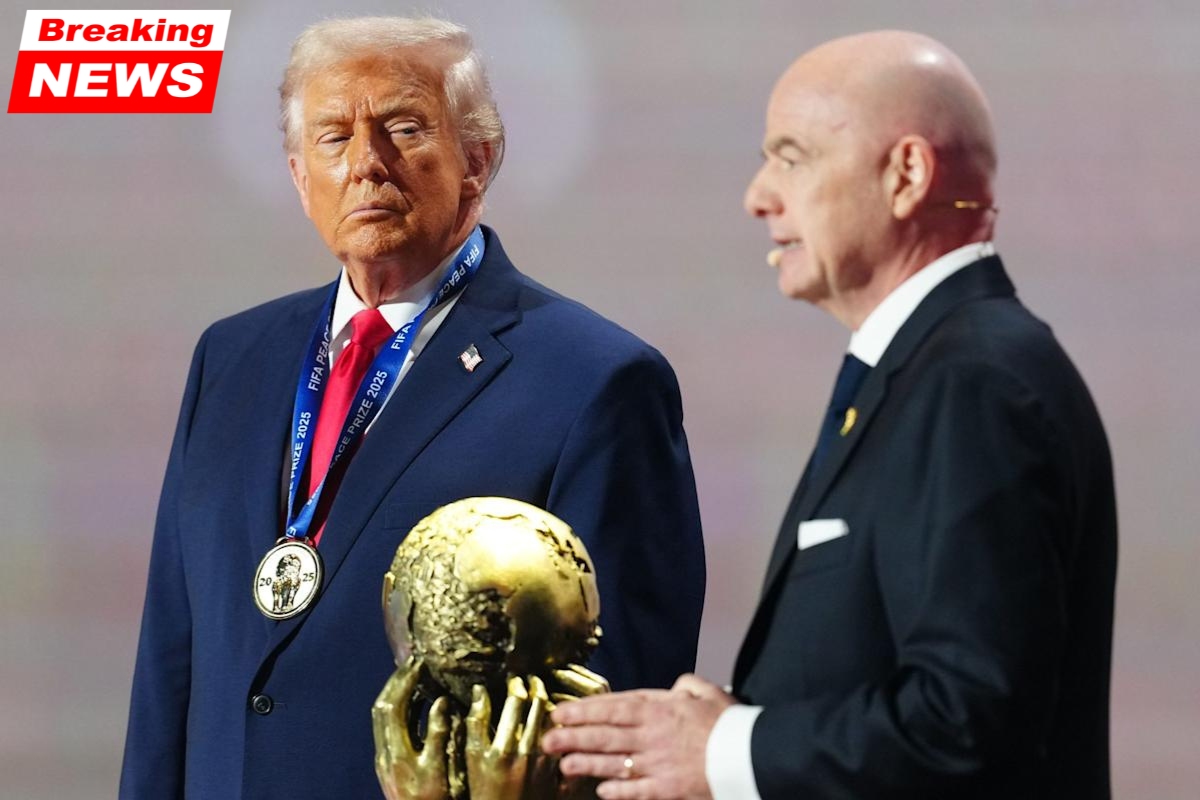
The upcoming 2026 FIFA World Cup is expected to be one of the largest sporting events in history, with FIFA President Gianni Infantino predicting that the tournament will garner viewership comparable to “104 Super Bowls”—a staggering figure when you consider the average annual audience of 125.6 million for the Super Bowl.
FIFA forecasts that the World Cup could attract six billion viewers across its 39-day competition and generate a $30.5 billion economic windfall for its three host countries: the U.S., Mexico, and Canada.
However, despite these grand projections, the U.S. hospitality industry remains skeptical about the event’s financial impact. A recent survey by the American Hotel and Lodging Association (AHLA) indicates that hotel bookings in U.S. host cities are lagging behind initial forecasts.
In fact, nearly 80% of hotels surveyed reported that bookings were falling short of expectations. While FIFA claims over five million tickets have already been booked, the AHLA report suggests that the anticipated economic lift may fall short.
Reasons Behind the Slow Travel Demand
The AHLA report points to several factors affecting international travel demand, such as:
- Visa Issues: Many overseas visitors are facing difficulties obtaining visas to attend the event, potentially limiting the number of tourists.
- Geopolitical Tensions: Ongoing global issues, including the Iran war and its impact on oil prices, may discourage international travelers.
- Hotel Booking Problems: The report also highlights that FIFA created “artificial early demand” with overcommitment to hotel blocks, later adjusting room releases, which created confusion in the market.
As part of FIFA’s contractual negotiations, the organization exercised an opt-out clause in March, canceling thousands of hotel rooms in all 16 World Cup host cities (including Philadelphia and Dallas) to accommodate changing demand.
Concerns Over Economic Windfall Projections
FIFA has projected that total expenditures for the World Cup could exceed $13.9 billion, with the U.S. expected to contribute over $11 billion.
However, some analysts, including those from Oxford Economics, have raised doubts about the ability of the event to meet these financial promises.
They predict only temporary economic benefits, primarily in sectors like leisure and hospitality, with limited long-term growth.
The event’s timing is also problematic. The World Cup coincides with a period of travel wariness due to the ongoing Iran war and increased oil prices.
This could discourage potential travelers from attending.
Moreover, flight costs have seen a significant rise, with average prices for transcontinental flights jumping from $167 to $414 in just a few weeks, according to Deutsche Bank.
High Ticket Prices: A Barrier for Fans
Ticket prices for the World Cup are already proving to be a significant barrier for many fans. For some matches, the cost exceeds $1,000, and tickets for the World Cup final at MetLife Stadium in New Jersey are priced at nearly $33,000.
The high cost of attending, including transportation and accommodations, has drawn criticism. Even NJ Transit, which initially offered a round-trip train ticket for $150, had to reduce it to $105 after public backlash.
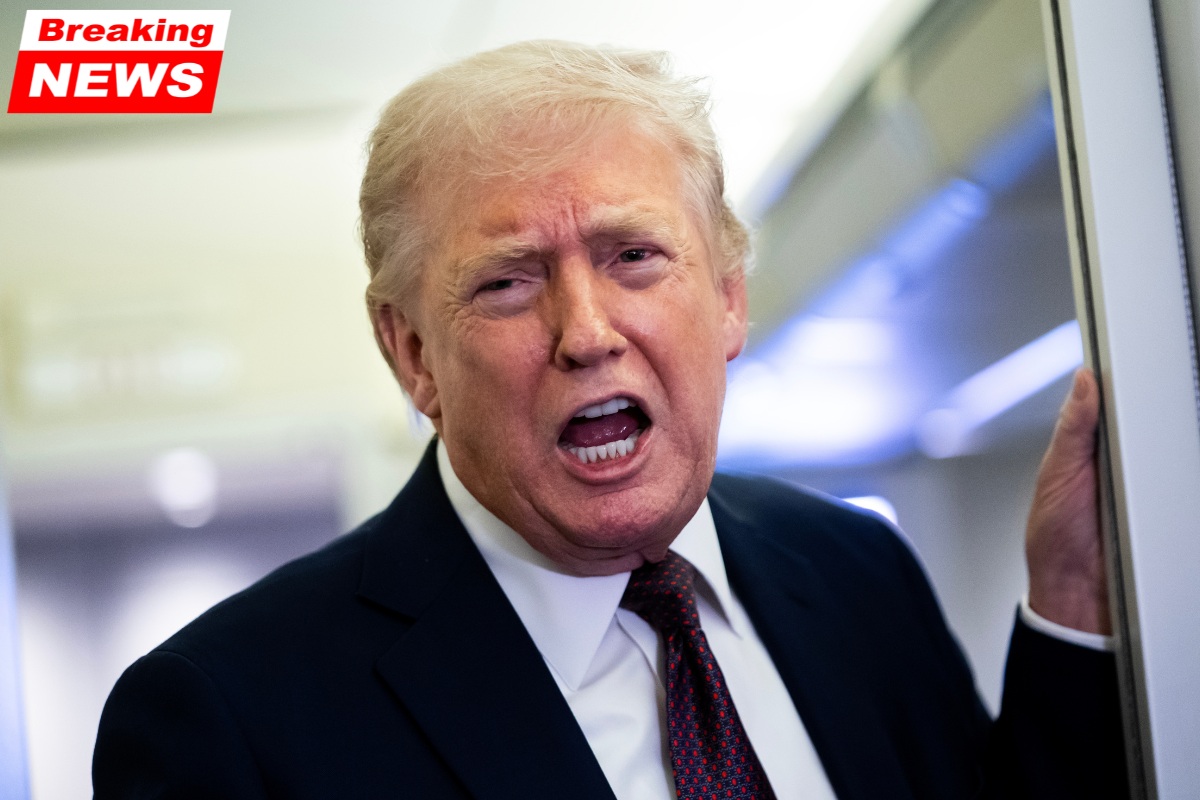
Though FIFA insists that ticket prices are aligned with market rates in the U.S., critics, including former President Donald Trump, have openly stated that the prices are “too expensive” for most fans. Trump even admitted he wouldn’t pay those prices, adding to the growing frustration over the cost of attending the event.
Political Concerns: A Factor for Some Fans
While the geopolitical climate and political tensions in the U.S. are certainly influencing some fans’ decisions, Lisa Delpy Neirotti, a sport management expert at George Washington University, suggests that the primary deterrent for most soccer fans will be ticket and travel costs rather than political concerns.
She believes geopolitical issues are a small piece of the puzzle compared to the financial challenges involved in attending the event.
In fact, some fans have already decided to boycott the U.S., with 170,000 people in the Netherlands signing a petition calling on the Dutch national team to avoid participating in the 2026 World Cup due to the Trump administration’s threats to take over Greenland.
Although the Dutch cabinet rejected the petition, it reflects broader discontent among some soccer fans toward the U.S. hosting the World Cup.
Historical Context: Why Expectations May Fall Short
International sporting events, especially those as large as the World Cup, have a history of setting unrealistically high economic expectations. According to a 2024 University of Oxford study, recent Olympic Games have exceeded budgets by 185% due to unexpected costs related to security and infrastructure. Similarly, the 1976 Summer Olympics in Montreal went $1.5 billion over budget, leaving taxpayers with a massive debt.
While these events do bring short-term economic impact, Delpy Neirotti cautions against expecting long-term windfalls. She predicts that the 2026 World Cup will likely not meet FIFA’s $30.5 billion economic windfall projection. The hospitality and tourism sectors may see some boost as the event nears, but it may fall short of the grand promises made in the run-up to the tournament.
A Mixed Outlook for the 2026 World Cup
The 2026 FIFA World Cup presents both an opportunity and a challenge. While FIFA’s projections paint a picture of unprecedented viewership and massive economic impact, the reality on the ground—especially in U.S. host cities—suggests that the tournament may not deliver on those promises. Issues like visa delays, geopolitical instability, high travel costs, and ticket prices are already discouraging many potential attendees.
Despite the excitement surrounding the event, Lisa Delpy Neirotti reminds us that the historical trend for international sports events suggests that the anticipated economic windfall may fall short of expectations. The 2026 World Cup will still bring some positive economic activity, but it may not live up to the grand promises touted by FIFA.