A federal court in Rhode Island has launched an investigation into a Department of Justice (DOJ) lawyer’s conduct after concerns were raised about his “lack of candor” in a case involving a homicide warrant in the Dominican Republic.
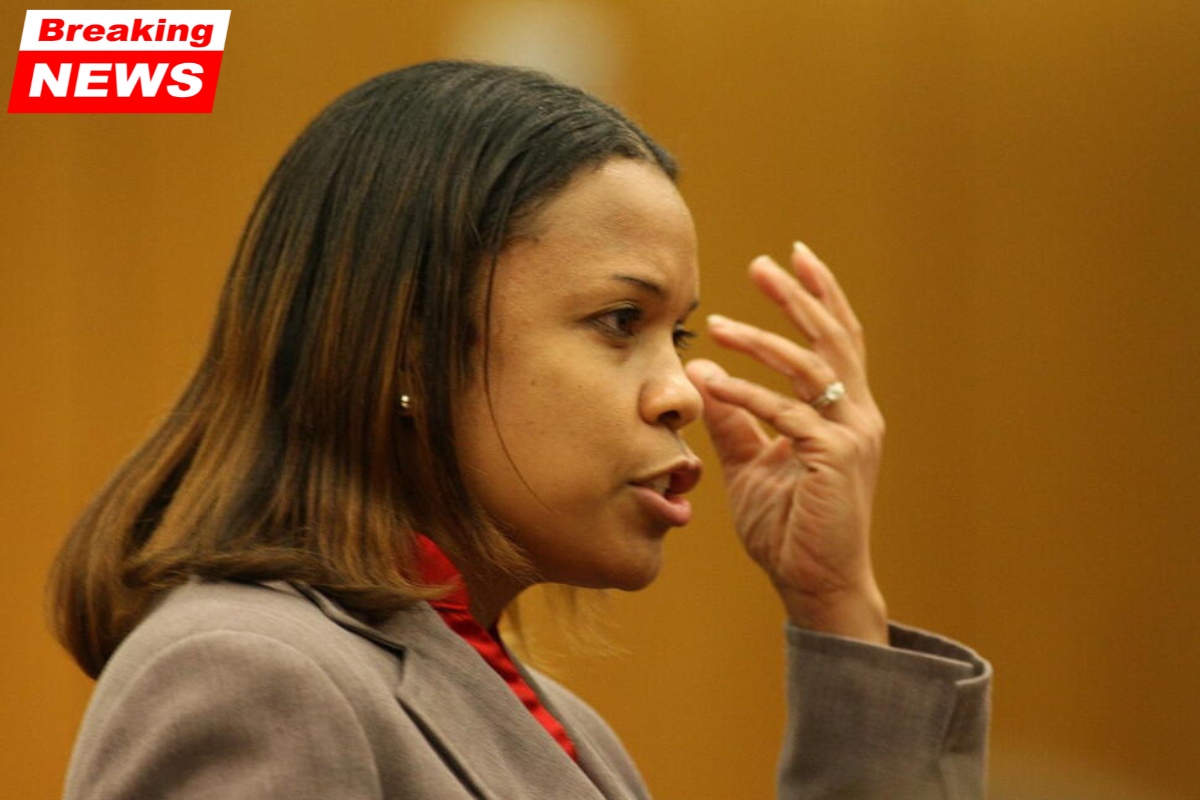
This investigation, initiated by U.S. District Judge Melissa DuBose, could result in disciplinary action against Assistant U.S. Attorney Kevin Bolan, who admitted to hiding critical information from the court and blamed his client, ICE (U.S. Immigration and Customs Enforcement), for his actions.
The Case and the Alleged Misconduct
The situation began when Bolan filed a habeas corpus petition on behalf of his client, Bryan Rafael Gomez, who had been detained. DuBose granted the petition without knowing that Gomez was facing a homicide warrant in the Dominican Republic.
When questioned by the judge, Bolan explained that ICE had instructed him not to disclose this information. He stated that he “relied on ICE’s representation that I was not permitted to disclose that information and understood that a legitimate law enforcement reason prevented disclosure.”
However, the explanation was met with skepticism for several reasons. Notably, ICE had already publicly announced the specifics of Gomez’s warrant in an April 16 press release detailing the arrests of foreign fugitives wanted for murder.
Additionally, the U.S. Department of Homeland Security (DHS) issued a press release on April 30, calling DuBose an “Activist Biden Judge” for releasing a “Violent Criminal Illegal Alien Wanted for Murder.”
Contradictions and Courtroom Drama
When DuBose questioned Bolan about the DHS post during a hearing, he stated that he had tried to have the press release taken down but claimed no action was taken. DuBose, visibly frustrated, ordered that the issue be fully investigated to ensure such a situation does not occur again.
Bolan issued an apology, acknowledging the consequences of his failure to disclose the information. However, the judge followed through on her threat to refer Bolan for possible disciplinary action, resulting in a referral for an investigation into potential misconduct.
Appointment of Special Counsel
On Thursday, Chief Judge John McConnell took the next step by issuing an order that formalized the investigation. McConnell deemed it “appropriate” to appoint a special counsel to look into the matter further.
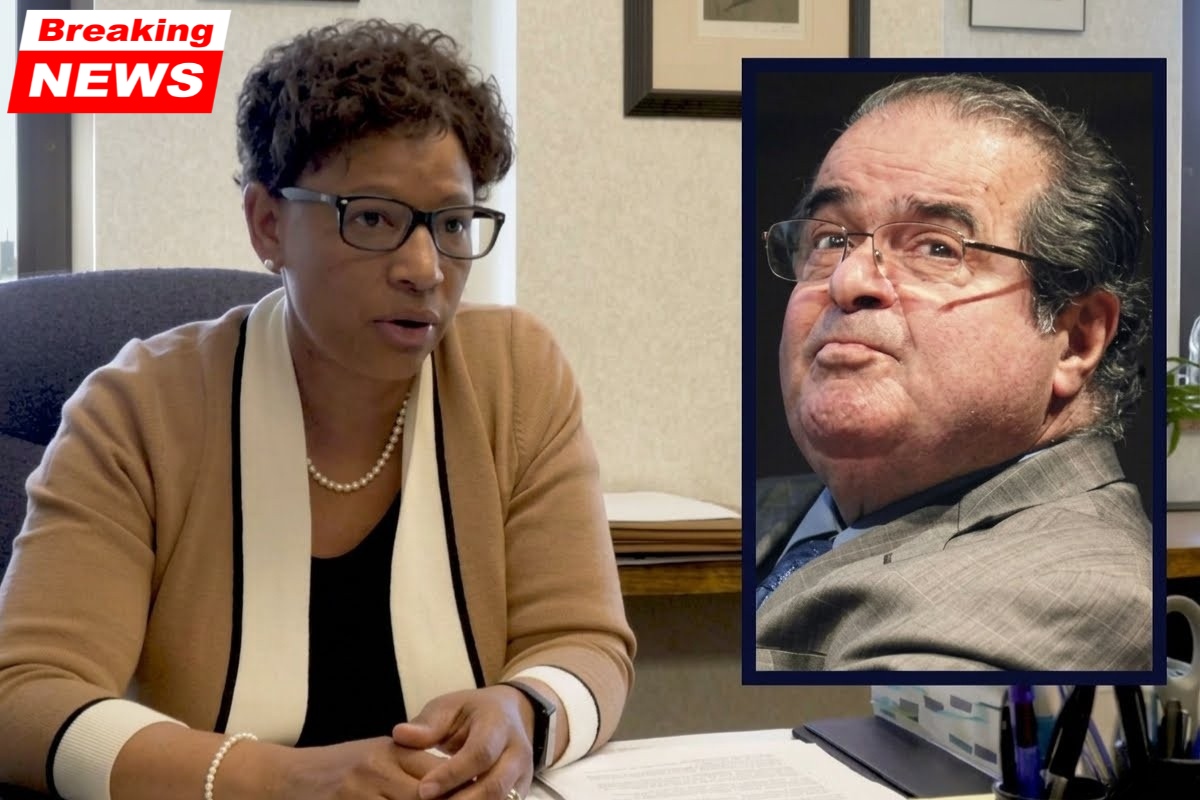
He selected Roger Williams University School of Law Professor Niki Kuckes, an expert in legal ethics and a former law clerk to conservative Justice Antonin Scalia, to lead the investigation.
Kuckes will be tasked with reviewing the case filings and hearing records related to the allegations of misconduct and providing a written report to the court.
The special counsel has the authority to request documents, conduct interviews, and take any additional steps necessary to gather the relevant facts.
The Investigation and Next Steps
The investigation will likely focus on several key issues, including the contradictions between Bolan’s apology and the ongoing actions of DHS, which has yet to remove or correct the press release falsely accusing Judge DuBose of releasing a dangerous criminal.
The ongoing nature of the investigation underscores the seriousness of the allegations against Bolan, particularly as they involve a potential breach of professional ethics and a lack of transparency with the court.
Judge DuBose’s decision to refer the case for investigation is a significant one, as it highlights the importance of candor and integrity within the legal process.
Given that DuBose herself is an alum of Roger Williams University Law School, there could be added scrutiny and a higher standard of oversight in how the investigation is handled.
As the investigation unfolds, further developments could lead to disciplinary action against Bolan, which could have broader implications for his career within the DOJ. For now, Gomez remains in legal limbo, with ICE still unable to locate him for detention.