
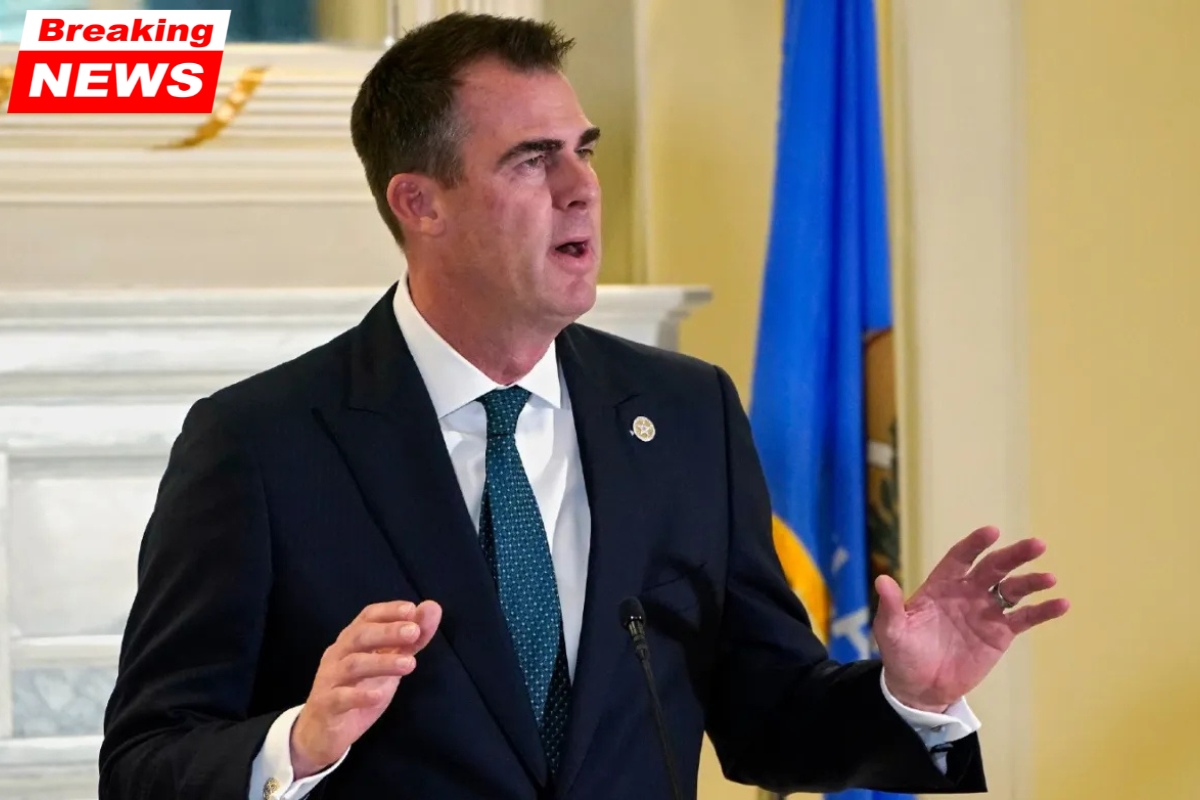
Kevin Stitt has signed a new bill into law that moves Oklahoma closer to fully automatic criminal record sealing under the state’s Clean Slate Initiative. Supporters say the law could help hundreds of thousands of people get better access to jobs, housing and education by reducing the long-term impact of old criminal records.
The new legislation, called Senate Bill 2030, expands Oklahoma’s existing Clean Slate law that was first passed in 2022. State leaders say the updated law will make the record sealing process faster, more organised and easier for eligible residents.
What Is Oklahoma’s Clean Slate Initiative?
The Clean Slate Initiative is designed to automatically seal certain criminal records for people who qualify under state law. Once a record is sealed, it becomes much harder for employers, landlords and others to view past criminal history during background checks.
Supporters believe this gives people a fair opportunity to rebuild their lives after completing their sentences and staying out of trouble.
What Senate Bill 2030 Changes
Senate Bill 2030 improves how Oklahoma handles criminal record sealing by creating a more structured process while still allowing public safety oversight.
According to state officials, the law was developed with help from:
- Law enforcement agencies
- Oklahoma lawmakers
- Oklahoma State Bureau of Investigation
- Prosecutors
- Criminal justice reform advocates
The bill also prepares Oklahoma for a future online portal managed by the OSBI that could reduce delays and simplify the process for eligible residents.
| Key Changes in Senate Bill 2030 | Details |
|---|---|
| Purpose | Improve automatic record sealing |
| Original Clean Slate law passed | 2022 |
| Main goal | Reduce barriers for eligible residents |
| Future improvement | OSBI online portal |
| Areas impacted | Jobs, housing, education |
How the Law Could Impact Oklahomans
Officials believe the changes could positively affect hundreds of thousands of people across the state.
A criminal record can often create major challenges even years after a person has completed their sentence. Many people struggle to:
- Find employment
- Secure housing
- Access education opportunities
- Qualify for loans or professional licenses
Supporters of the law argue that automatic record sealing helps people move forward while also strengthening communities and the economy.
Criminal Justice Reform Groups Support the Bill
Oklahomans for Criminal Justice Reform praised the new legislation after it was signed into law.
Executive Director Mike Shelton called the bill an important step for the state.
According to Shelton, the law focuses on restoring opportunity for hardworking residents who deserve a second chance after meeting legal requirements.
Public Safety Oversight Still Remains
While the law expands automatic sealing, officials say public safety protections remain part of the process. Certain serious crimes and records may still remain accessible depending on eligibility rules under Oklahoma law.
State leaders say the goal is to balance second chances with transparency and public safety concerns.
Oklahoma Moves Closer to Full Automatic Record Sealing
The signing of Senate Bill 2030 marks another major step in Oklahoma’s criminal justice reform efforts. Supporters believe the law will help reduce unnecessary barriers for people trying to rebuild stable lives after past mistakes.
By improving access to record sealing, the state hopes to create more opportunities for employment, education and housing while also supporting safer and stronger communities. As Oklahoma continues developing its Clean Slate system, many residents could soon benefit from a simpler and more automatic process for clearing eligible records.






