A new debate in New York is raising serious questions about fairness, government spending, and political priorities. Lawmakers are being criticised for supporting changes to public pension rules that could benefit many of them personally, while putting extra financial pressure on taxpayers.
What Is the Pension Controversy About
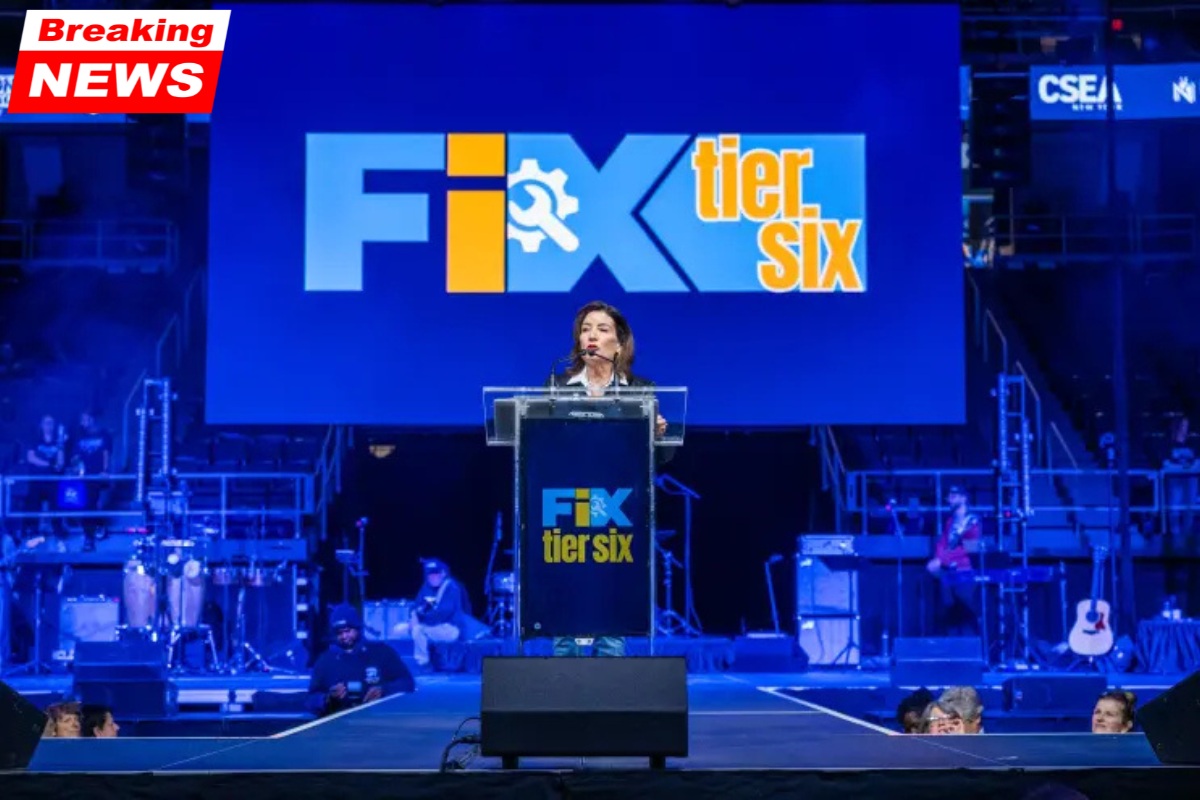
At the centre of the issue is a proposal to roll back pension reforms introduced in 2012. These reforms, often called Tier 6, were created to control rising costs and make public employee pensions more sustainable.
Now, leaders in New York are considering changes that would increase benefits again. If approved, more than half of the state’s 7.8 lakh public employees could receive higher retirement payouts. Critics argue that this move is less about helping workers and more about pleasing powerful labour unions.
Lawmakers Who Could Personally Benefit
One major concern is that many lawmakers supporting the proposal could directly benefit from it. Reports suggest that around one-third of the state Legislature may gain from these pension changes.
Out of these, 74 lawmakers have been identified as eligible for improved benefits. This includes members from both parties, although most Republicans are also backing the move. This situation has raised questions about conflict of interest, as those making the decision may also profit from it.
Financial Impact on the State and City
The proposed changes could come with a heavy price. Estimates suggest the state may need to spend around $1.5 billion every year to support the increased pension benefits. Out of this, New York City alone could contribute about $330 million annually.
In some scenarios, especially if the changes apply to past employees as well, the cost for the city could rise to as much as $2 billion per year. Critics say this could put a serious strain on public finances.
The financial burden might force local governments to make tough decisions, such as cutting essential services, reducing jobs, or increasing property taxes. This could directly affect everyday citizens.
Changes in Retirement Age
Another key part of the proposal is reducing the retirement age. Currently, many public employees retire at 62, but the new plan would allow retirement at 55 after 30 years of service.
Supporters say this rewards long-term service, but critics argue it increases long-term costs and puts more pressure on the system. They believe such changes are being pushed mainly due to union demands rather than financial planning.
Alternative Suggestions
Some lawmakers have suggested a different approach. For example, Michael Fitzpatrick has argued for moving away from the current pension system.
He supports shifting public workers to a defined-contribution plan, similar to a private-sector 401(k). In this system, employees and employers contribute to a retirement fund, but the payout depends on investment performance rather than a fixed guarantee.
Supporters of this idea believe it would reduce long-term risks for taxpayers and make the system more sustainable.
Warnings from Local Government Groups
Several local government organisations have warned about the risks of rolling back the reforms. Groups like the Conference of Mayors and Associations of Counties and Towns say the changes could create serious financial challenges.
They have stated that local bodies may be forced to:
- Cut essential public services
- Reduce workforce
- Increase property taxes
These warnings highlight the possible impact on everyday people if the costs rise sharply.
Political Reactions and Criticism
The proposal has also sparked criticism against state leadership, including Kathy Hochul. Critics claim that leaders are prioritising political gains and union support over the financial well-being of ordinary citizens.
They argue that while affordability is a major concern for residents, policies like these may increase the financial burden instead of reducing it.
The pension reform debate in New York shows how complex financial decisions can become when politics and personal interests are involved. While improving benefits for public workers may seem positive, the long-term cost and impact on taxpayers cannot be ignored.
With billions of dollars at stake, the final decision will play a major role in shaping the state’s financial future. Striking a balance between fair employee benefits and responsible spending is essential, especially at a time when many citizens are already dealing with rising living costs.