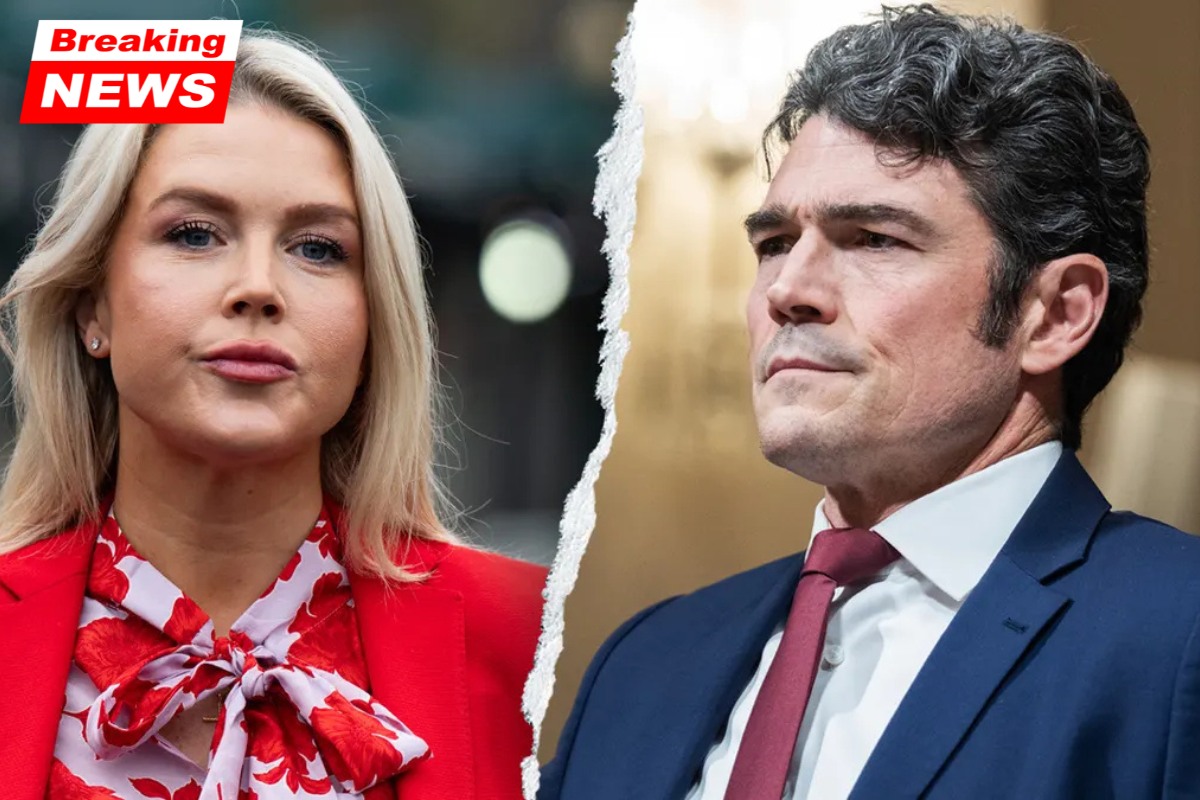
Joe Kent, the head of America’s counterterrorism office, quit on Tuesday in a public protest over the U.S. war with Iran. He said he could not support a war that, in his view, was started when “Iran posed no imminent threat.” The White House press secretary pushed back hard, saying the president had “strong and compelling evidence” of an Iranian threat and calling parts of Kent’s letter “false claims.”
| Quick overview | Key facts |
|---|---|
| Who | Joe Kent resigned; Karoline Leavitt defended the administration. |
| What | Kent posted a resignation saying he could not back the war; Leavitt rejected his claim that Iran posed no imminent threat. |
| Why it matters | A top national security official quitting publicly signals deep internal disagreement about the reasons for war. |
| Other reactions | Some officials backed the president’s assessment; others raised concerns about the justification for strikes. |
What happened
Joe Kent posted his resignation on X, saying he “cannot in good conscience support the ongoing war in Iran” and that Iran posed no immediate danger that justified the attacks. Kent blamed outside pressure — particularly from Israel and friendly U.S. outlets — for pushing the administration into conflict.
How the White House responded
Karoline Leavitt pushed back, calling parts of Kent’s letter false and saying President Donald Trump had “strong and compelling evidence” of an imminent Iranian threat. Leavitt said the evidence came from many sources and defended the decision to act.
What Kent accused others of doing
Kent wrote that high-level Israeli officials and pro-Israel U.S. voices ran a “misinformation campaign” that convinced the president a quick victory was possible and that Iran posed an urgent danger. That claim prompted heated pushback and accusations from some critics that his language echoed conspiratorial or antisemitic ideas.
Other officials’ remarks
Tulsi Gabbard (who oversees the counterterrorism office) said the president is responsible for deciding what counts as an imminent threat. She did not directly endorse Kent’s view but noted the commander-in-chief makes the final call. Several news outlets reported that Gabbard had been consulted and stayed in touch with the White House after the resignation.
Why this matters to the public
- A senior official quitting over a war is unusual and raises questions about the evidence behind major military decisions.
- If top advisers disagree publicly, it can shake public trust and trigger congressional interest or oversight.
- Such resignations can also shift political debate inside the president’s own coalition and among voters. Analysts say Kent’s exit may spur hearings or demands for more transparent intelligence briefings.
Who is Joe Kent?
Kent is a Green Beret veteran who was confirmed as director of the National Counterterrorism Center in 2025. In his resignation letter and interviews, he referenced personal reasons that shaped his views — including the loss of his wife to a suicide bomber years earlier — which he said made him especially wary of needless wars. His military record and recent confirmation made his public break especially notable.
How people are reacting
Reactions were sharply divided. Some conservatives and anti-war voices praised Kent for speaking out; others accused him of unfairly blaming allies or of using language that fed into conspiracy theories. The White House defended its actions and repeated that the decision to strike was based on serious intelligence and aimed at protecting Americans.
What to watch next
- Will Congress hold hearings or demand the underlying intelligence that justified the strikes?
- Could more senior officials resign or speak out?
- How will the White House respond publicly and in private briefs to lawmakers and allies?
- Will this change public opinion about the war and about who bears responsibility for the decision to act?
Joe Kent’s public resignation is a major signal that disagreement exists inside national security ranks about the decision to fight in Iran. The White House rejects Kent’s core claim and insists it acted on clear, credible intelligence of an imminent threat. That split — between a senior official who says the war is unjustified and an administration that defends the strikes — raises hard questions for Congress, the press, and the public.
People will want to see the intelligence and the explanations that led to such a consequential choice, because decisions about war affect lives, budgets, and the nation’s reputation. The coming days may bring calls for oversight, requests for classified briefings, and more public debate. What happens next will shape not only policy but also how Americans judge those who advise their leaders in moments of crisis.