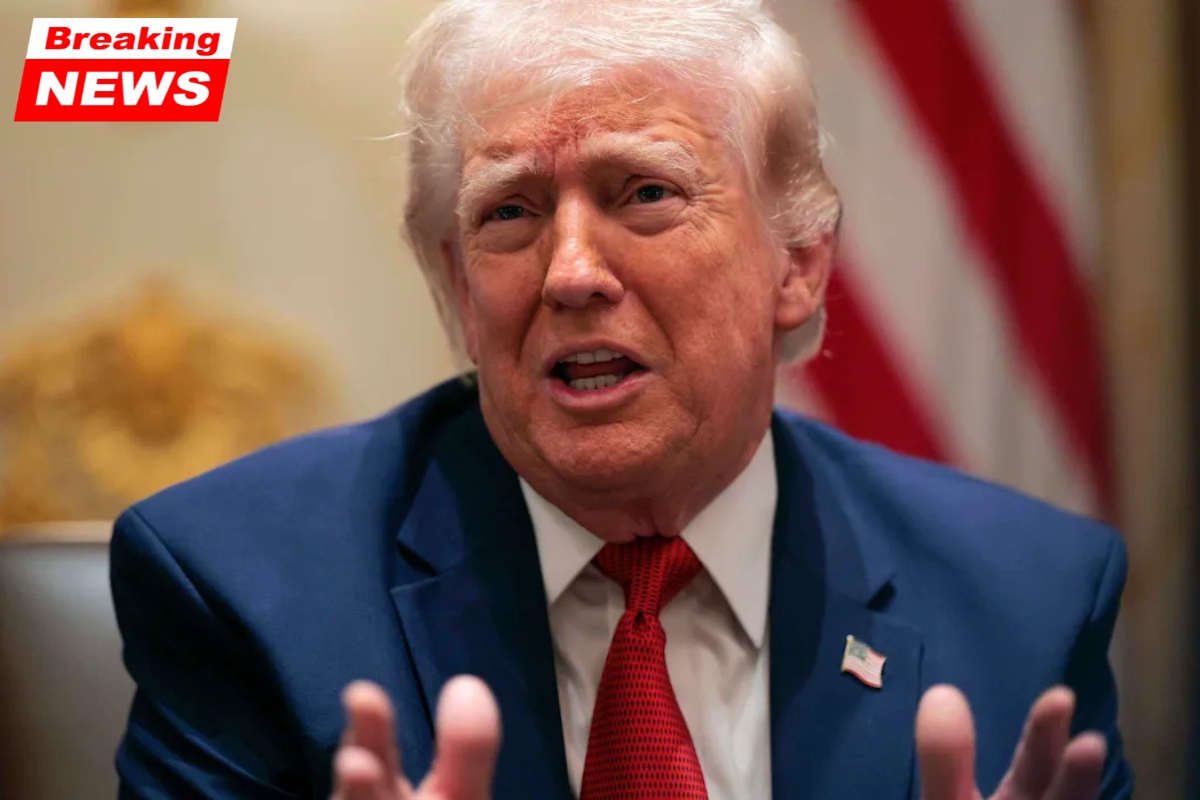
The timing couldn’t have been more loaded. Just days after millions of Americans poured into the streets chanting “No Kings,” Donald Trump went ahead and did something that felt—depending on who you ask—either diplomatically routine or politically theatrical: he invited an actual king to Washington.
On March 31, Trump announced that King Charles III and Queen Camilla will travel to the United States for a full-scale state visit from April 27 to April 30, complete with all the ceremonial bells and whistles, including a formal White House banquet. The message, posted via Truth Social and reshared across official White House channels, struck a tone that was equal parts celebratory and, to some critics, deliberately provocative.
A State Visit Wrapped in Symbolism
State visits are not unusual. In fact, they’re one of the oldest tools in diplomacy—carefully choreographed events meant to signal alliance, stability, and mutual respect. According to the U.S. Department of State (https://www.state.gov/state-visits/), these visits typically include military honors, closed-door meetings, and that signature state dinner designed to showcase American culture and soft power.
But this one lands differently.
Trump framed the visit as part of the United States’ upcoming 250th anniversary celebrations, calling it a “momentous occasion.” He also emphasized his personal respect for King Charles, adding that the event “will be TERRIFIC!”—his signature flourish still intact.
Here’s the basic outline of the visit:
| Detail | Information |
|---|---|
| Dates | April 27–30, 2026 |
| Key Event | State Banquet (April 28) |
| Location | Washington, D.C. (White House) |
| Guests of Honor | King Charles III & Queen Camilla |
| Occasion | U.S. 250th Anniversary (lead-up events) |
On paper, it’s textbook diplomacy. In context, though, it’s anything but.
The “No Kings” Protests Loom Large
Just three days before the announcement, the U.S. saw one of the largest coordinated protest movements in recent years. More than 8 million people reportedly participated in over 3,300 demonstrations nationwide, rallying under the banner of “No Kings.”
The protests weren’t literally about monarchy—they were aimed at what organizers described as executive overreach and concerns about authoritarian-style leadership. Still, the symbolism writes itself.
So when Trump announced a royal visit—complete with a lavish banquet—it didn’t take long for social media to connect the dots.
Some critics called it tone-deaf. Others went further, framing it as intentional political trolling. One comment that gained traction summed up the mood: bringing a literal king into the White House just days after anti-authoritarian protests felt like “next level” messaging.
Of course, not everyone saw it that way. Supporters praised the move as a sign of strong U.S.-UK relations and dismissed the backlash as overblown.
UK Reaction: Not Entirely Comfortable
Across the Atlantic, the reaction has been… mixed.
While the British monarchy continues to play a largely ceremonial role, its global image still matters. According to the official Royal Family website (https://www.royal.uk/), international visits are meant to “strengthen relationships and promote British interests abroad.”
But there’s an ongoing sensitivity about how the monarchy is perceived—especially in politically charged environments.
Some UK commentators have expressed concern that the visit could pull King Charles into the orbit of U.S. domestic politics, something Buckingham Palace traditionally tries to avoid. The monarchy’s unwritten rule is neutrality, and high-profile appearances during politically turbulent moments can blur that line.
Trump, Protocol, and a History with the Royals
This isn’t Trump’s first brush with royal protocol—or controversy surrounding it.
During a 2019 state visit to the UK, he famously walked ahead of Queen Elizabeth II during an inspection of the Guard of Honour, a move widely seen as a breach of etiquette. Later visits included similarly scrutinized moments, including interactions with then-Prince Charles and Prince William.
Even during his September 2025 UK trip, observers noted moments where Trump’s informal style clashed with traditional royal expectations.
That history adds another layer of intrigue to the upcoming visit. Will this one be more carefully choreographed? Or will it produce another round of viral moments?
What’s Actually at Stake Diplomatically
Beyond the optics, there are real geopolitical considerations in play.
The U.S. and UK maintain what’s often referred to as a “special relationship,” spanning defense, intelligence sharing, and trade. According to the UK government (https://www.gov.uk/government/world/usa), cooperation between the two countries includes everything from NATO coordination to economic policy alignment.
This visit could serve as a platform to reinforce those ties, particularly at a time when global alliances are being tested by shifting economic and security dynamics.
Potential discussion topics may include:
| Area | Possible Focus |
|---|---|
| Trade | Post-Brexit agreements, tariffs |
| Defense | NATO commitments, joint operations |
| Climate | Shared environmental initiatives |
| Technology | AI regulation, cybersecurity |
Still, the challenge will be keeping those substantive discussions from being overshadowed by the political theater surrounding the visit.
Optics vs. Intent: A Delicate Balance
There’s a difference between what a state visit is meant to be and how it’s perceived.
From a diplomatic standpoint, inviting the British monarch during a milestone year for the U.S. makes sense. It reinforces historical ties dating back centuries—even if those ties began with a revolution against monarchy.
But optics matter. And right now, the optics are complicated.
You’ve got:
- A president known for leaning into controversy
- A protest movement explicitly rejecting centralized power
- A literal king arriving for a ceremonial celebration
It’s almost too on-the-nose.
Whether that’s coincidence or strategy depends on who you ask.