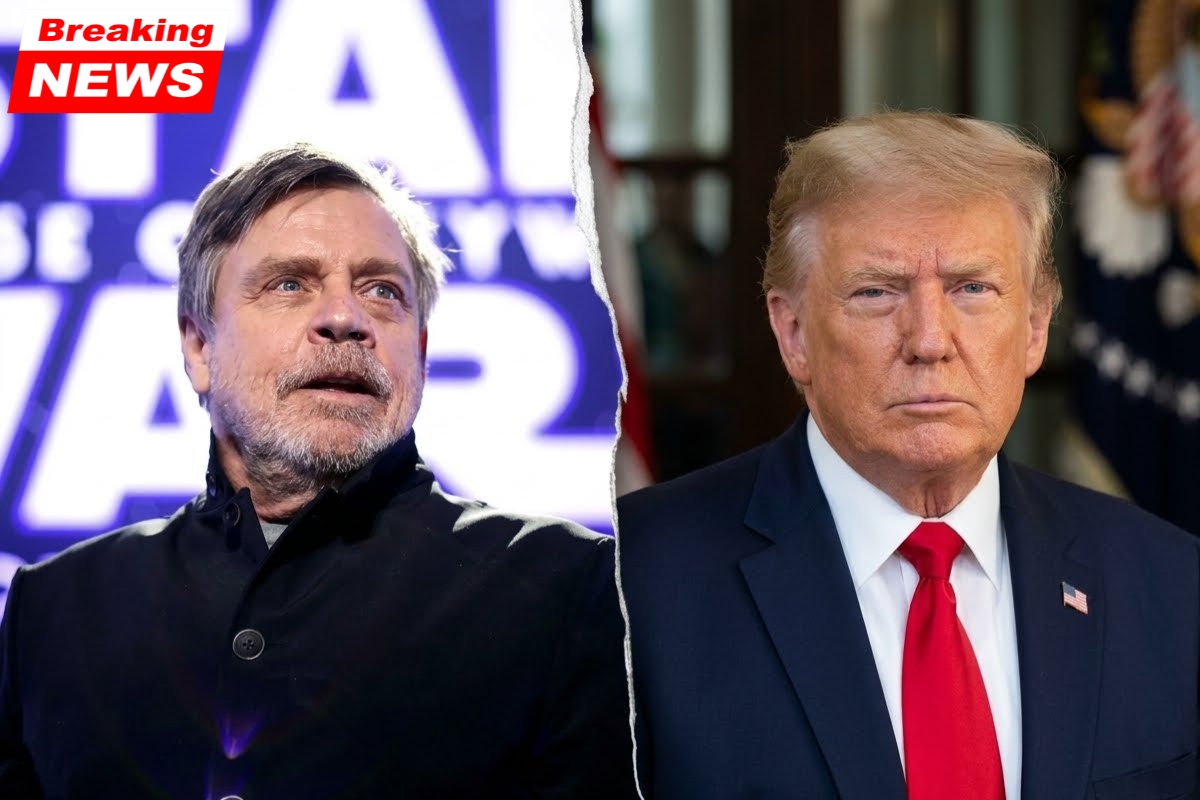
Evolutionary psychologist Dr. Gad Saad has raised concerns about escalating political rhetoric in the U.S., including a recent controversial social media post by actor Mark Hamill, which depicted a headstone for President Donald Trump.
Saad warned that this growing trend reflects a dangerous shift in American values and could lead to devastating consequences, which he described as a “suicidal” path for the nation.
The Rise of “Suicidal Empathy”
Speaking on Jesse Watters Primetime, Saad explained that the United States is increasingly influenced by a “hyperactive” form of empathy, which, when taken to extremes, can hinder rational thinking and lead to harmful outcomes, including political violence. Saad likened this societal trend to self-destruction, stating, “Civilizations do not die by murder; they die by suicide.”
He argued that while empathy is generally a positive force, it becomes dangerous when it is misapplied. Saad described “suicidal empathy” as a situation in which compassion is applied in contexts that undermine the survival of a society.
He gave the example of a victim of violent crime who might defend their attacker out of fear of appearing judgmental, showing how empathy in the wrong circumstances can lead to disastrous results.
Mark Hamill’s Controversial Post and Backlash
Saad’s warning comes in the wake of significant backlash over a social media post by Star Wars actor Mark Hamill. Hamill shared an AI-generated image on the platform Bluesky, depicting a headstone with the name “Donald Trump” and the caption “If Only.” The post, which many critics saw as crossing a line, came just days after law enforcement officials reported an assassination attempt at the White House Correspondents’ Association Dinner.
Hamill later deleted the post, apologizing and clarifying that he did not wish harm upon Trump. Instead, Hamill stated that Trump should “live long enough to witness his inevitable devastating loss in the midterms, be held accountable for his unprecedented corruption, impeached, convicted & humiliated for his countless crimes.” Despite this clarification, the post reignited debates about the tone and implications of political rhetoric in America.
The Growing Threat of Political Violence
The conversation around political rhetoric and violence has gained traction with warnings from figures such as U.S. Attorney Jeanine Pirro, who highlighted the growing frequency of political violence in Washington, D.C. Pirro noted an increase in incidents involving people attempting to commit crimes motivated by political beliefs.
She referenced a shooting involving a Secret Service officer near the Washington Monument, underscoring the rising danger of such acts.
Pirro expressed concern that individuals now believe they can engage in acts of violence to draw attention to their grievances about politics, saying, “People, for some reason, think they can come here and that they can commit these acts. That they’ll get attention for — to exercise their right to complain about what they think is unfair politics.”
Implications for American Society
Saad’s warning about “suicidal empathy” and the escalating political violence reflects broader concerns about the direction in which American society is heading.
He suggests that when empathy is wielded without reason, it can lead to the breakdown of social norms and rational discourse, creating an environment where violence and division flourish.
The incidents involving figures like Hamill and the rising number of politically motivated crimes serve as stark reminders of the consequences of unchecked rhetoric and emotional impulses.
The Need for Balance in Political Discourse
Dr. Saad’s comments highlight the dangerous consequences of an emotional, unchecked approach to political discourse. While empathy is essential to a functioning society, applying it indiscriminately—especially in political matters—can have disastrous effects.
As political tensions continue to rise, Saad calls for a return to balanced, reasoned debate and a recognition of the need for national unity, urging the U.S. to move away from the “suicidal” path of excessive emotionalism and towards a more rational and constructive political environment.