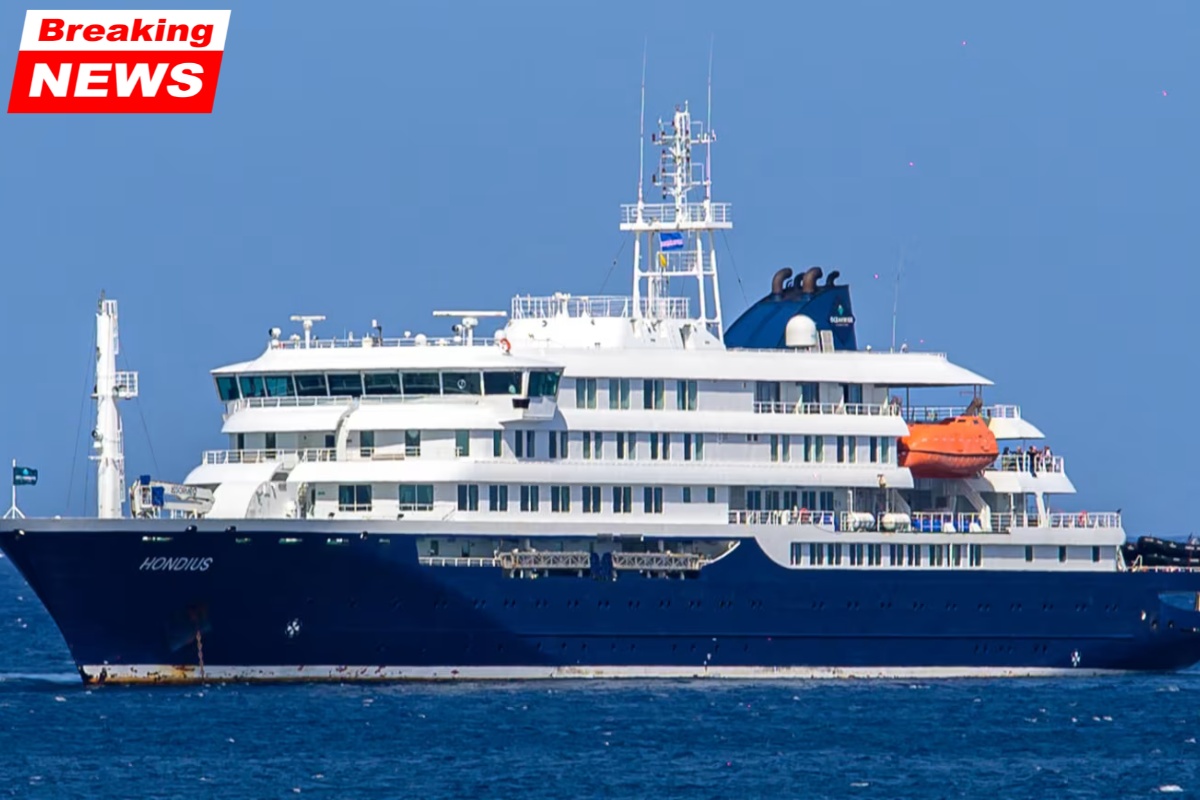
A suspected outbreak of hantavirus aboard the MV Hondius, a cruise ship currently anchored in Praia, Cape Verde, has led to the deaths of three passengers and at least three other people falling sick. The World Health Organization (WHO) confirmed the incident on Sunday, raising concerns about the spread of hantavirus on board.
What Happened Aboard the MV Hondius?
The cruise ship Hondius, operated by Oceanwide Expeditions, departed from Ushuaia, Argentina, approximately seven weeks ago.
It traveled through Antarctica and the British overseas territory of Saint Helena before anchoring in Praia, the capital of Cape Verde. The ship has 170 passengers and 71 crew members, including a doctor.
As of 11:00 p.m. CET Sunday, Cape Verdean authorities had not allowed passengers to disembark, and local health officials had only assessed two symptomatic crew members who required urgent medical care.
While investigations are ongoing, one laboratory-confirmed case of hantavirus has been reported, while the others remain suspected.
Hantavirus: How It Spreads and Its Impact
Hantavirus is a deadly disease transmitted primarily through contact with rodents, particularly rats and mice, whose urine, saliva, and droppings can spread the virus.
Human-to-human transmission is possible, though rare. Hantavirus infection leads to a severe respiratory illness known as hantavirus pulmonary syndrome (HPS), which can be fatal.
Early symptoms of HPS include fatigue, fever, and muscle aches, while later stages involve coughing, shortness of breath, and chest tightness.
Hantavirus is highly deadly, with a 38% mortality rate, particularly in the elderly or immunocompromised individuals.
Details of the Fatalities and Illnesses
The first victim aboard the ship was a 70-year-old man who died on board. His body was later transferred to Saint Helena.
His wife collapsed while attempting to fly back to the Netherlands and died in a South African hospital. Two of the deceased passengers were confirmed to be Dutch nationals.
A British national, who fell ill after the ship departed from Saint Helena, is receiving medical treatment in Johannesburg, South Africa.
Health authorities have yet to make a decision regarding the transfer of the remaining symptomatic crew members for treatment.
The MV Hondius’s Path and the Investigation
The ship’s route, which included stops in regions not known to be endemic for hantavirus, has raised questions about how the virus was introduced to the ship.
The Ministry of Health in Tierra del Fuego, Argentina, where Ushuaia is located, reported that there have been no known hantavirus cases in the province.
Currently, the WHO and Oceanwide Expeditions are working to investigate the source of the outbreak.
Full epidemiological and laboratory investigations are underway, including sequencing of the virus, to determine the exact cause of infection and prevent further spread.
Medical Care and Evacuation Plans
The situation aboard the ship is being managed by local health authorities, but Oceanwide Expeditions has indicated a strong priority on ensuring the symptomatic individuals receive adequate medical care.
Dutch authorities have agreed to repatriate the symptomatic crew members and the body of one of the deceased to the Netherlands for further medical care.
Despite calls from experts like Dr. Scott Miscovich, President of Premier Medical Group, to prioritize the evacuation of the ship, Cape Verdean authorities have yet to approve disembarkation.
How Deadly Is Hantavirus?
Hantavirus pulmonary syndrome (HPS) has a high fatality rate, with approximately 38% of individuals who develop respiratory symptoms succumbing to the disease. This rate can be even higher in older or immunocompromised patients.
There is no specific cure for hantavirus infection, and treatment is primarily focused on managing symptoms, particularly for patients with severe respiratory issues.
Summary Table of Key Information
| Event | Details |
|---|---|
| Ship | MV Hondius (Oceanwide Expeditions) |
| Location | Praia, Cape Verde (anchored) |
| Passengers | 170 passengers, 71 crew members |
| Fatalities | 3 dead (2 Dutch nationals, 1 unknown nationality) |
| Sick Individuals | 3 others showing symptoms, 1 confirmed case |
| Infections Confirmed | 1 confirmed hantavirus case |
| Health Impact | Hantavirus pulmonary syndrome (HPS) |
| Route | Ushuaia (Argentina) → Antarctica → Saint Helena → Praia (Cape Verde) |
| Investigation | Ongoing laboratory testing, epidemiological investigation |
A Rare but Deadly Outbreak
The suspected hantavirus outbreak aboard the MV Hondius highlights the global health risks associated with cruise ships, particularly with diseases that can be transmitted from rodents.
While the virus is rare, the potential for widespread harm is high, as seen in this case. The ongoing investigation will hopefully provide clarity on how the virus reached the ship and help prevent future occurrences.