
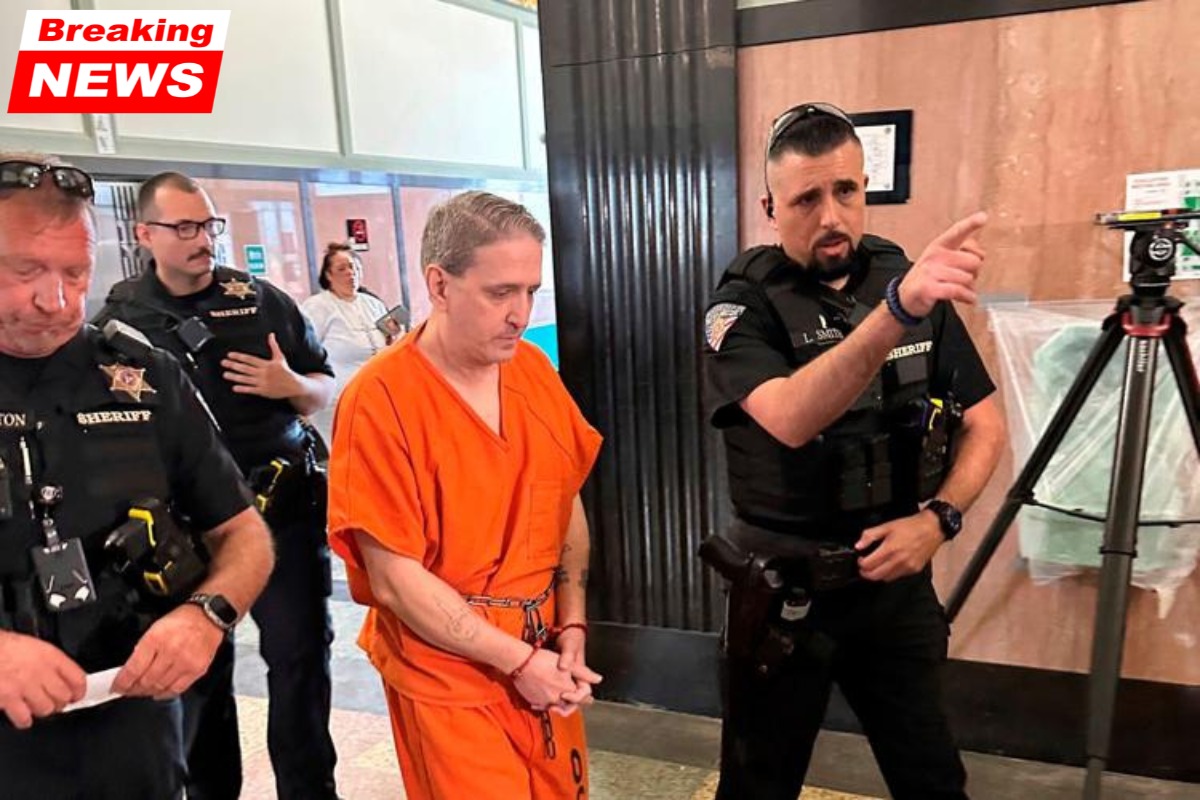
Richard Glossip, who spent nearly three decades in an Oklahoma prison for a murder he has consistently denied committing, was granted bond last week as he prepares for a new trial. At 63, Glossip stepped out of custody hand in hand with his wife, marking a rare moment of freedom after decades in the justice system.
His case has drawn national attention, highlighting questions about evidence reliability, prosecutorial conduct, and the broader capital punishment system.
The Long Road Through the Justice System
Glossip was convicted for the 1997 killing of motel owner Barry Van Treese in Oklahoma City. Prosecutors claimed he orchestrated a murder-for-hire plot. The conviction relied heavily on testimony from Justin Sneed, the actual killer, who received a reduced sentence in exchange for his account.
Over the years, concerns emerged regarding the credibility of Sneed’s testimony and the conduct of prosecutors. Courts reviewed the case repeatedly, and in 2025, the U.S. Supreme Court vacated Glossip’s conviction, citing violations of his right to a fair trial. Oklahoma authorities subsequently decided not to seek the death penalty again.
Despite these developments, Glossip remained in custody until the recent bond decision, which permits temporary release under strict conditions.
Facing Execution Dates and Close Calls
During his time on death row, Oklahoma authorities scheduled Glossip’s execution nine times. On three occasions, he prepared for what could have been his final moments, including last meals.
In 2015, he was placed in a holding cell near the execution chamber before officials discovered issues with the lethal drugs, delaying the execution.
These experiences left lasting psychological and emotional effects. Advocates against capital punishment, along with public figures and filmmakers, highlighted his case through documentaries and campaigns. Glossip maintained his innocence throughout, insisting the justice system had failed to deliver fair treatment.
Walking Out With Support at His Side
On May 14, 2026, Glossip exited the facility wearing a gray shirt and jeans, accompanied by his wife, Lea Glossip, who married him in 2022 while he was still incarcerated. The couple has long advocated together for his release.
The judge set his bond at $500,000. Glossip is subject to strict conditions, including wearing an ankle monitor, adhering to a curfew, remaining in Oklahoma, and refraining from contacting witnesses or using drugs or alcohol. These measures allow him to be free while preparing for the next phase of his retrial.
Questions That Remain for the Retrial
Prosecutors plan to retry Glossip on the murder charge without seeking the death penalty. His attorneys argue that the original case contained critical flaws, many of which the Supreme Court acknowledged. They continue pursuing full exoneration, pointing to past prosecutorial misconduct and evidence issues.
Observers are closely watching the retrial, as it could set important precedents regarding how evidence is handled and how witness testimony is assessed in high-stakes cases. Glossip’s conditional release allows him to experience life outside prison walls while the legal process continues.
The Years on Death Row
Spending nearly 30 years under a death sentence profoundly affects an individual. Glossip navigated a complex legal landscape that included multiple trials, Supreme Court intervention, and numerous execution stays.
His case has drawn national attention, prompting filmmakers and activists to examine systemic flaws in capital punishment and advocate for criminal justice reform. Glossip’s persistence highlights the impact that sustained legal challenges can have on correcting injustices.
Table: Key Facts About Richard Glossip’s Case
| Element | Details |
|---|---|
| Crime | 1997 murder of motel owner Barry Van Treese |
| Conviction | Based on testimony of actual killer Justin Sneed |
| Supreme Court Intervention | 2025: Conviction vacated due to fair trial violations |
| Bond Granted | $500,000 |
| Conditions of Release | Ankle monitor, curfew, Oklahoma residency, no contact with witnesses, no drugs/alcohol |
| Duration in Prison | Nearly 30 years |
| Age at Release | 63 |
| Supporters | Wife Lea Glossip, legal team, capital punishment advocates |
| Retrial Status | Pending, without pursuit of death penalty |
Richard Glossip’s conditional release after nearly 30 years on death row marks a rare moment of freedom while the legal fight continues.
His case has highlighted flaws in the justice system, including reliance on questionable testimony, prosecutorial misconduct, and repeated execution scheduling errors.
As Glossip prepares for his retrial, the case remains a touchstone in debates over capital punishment, legal oversight, and the rights of the accused.






