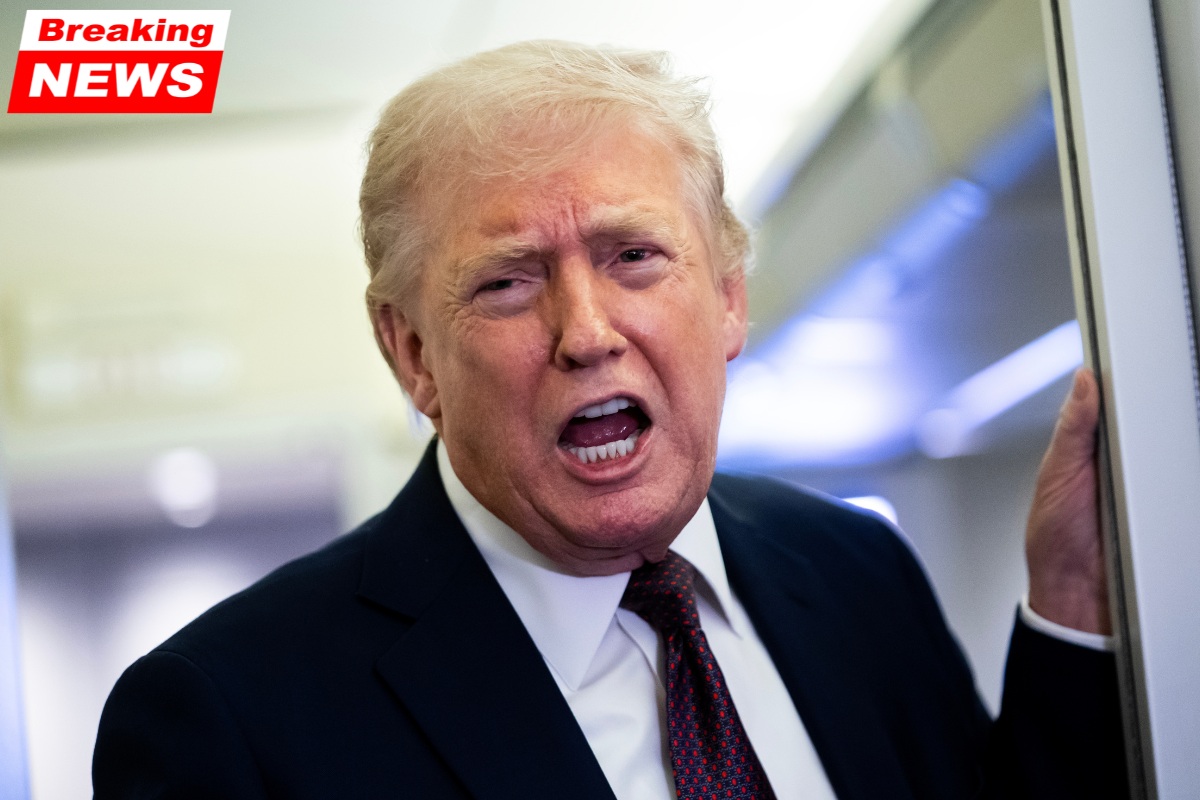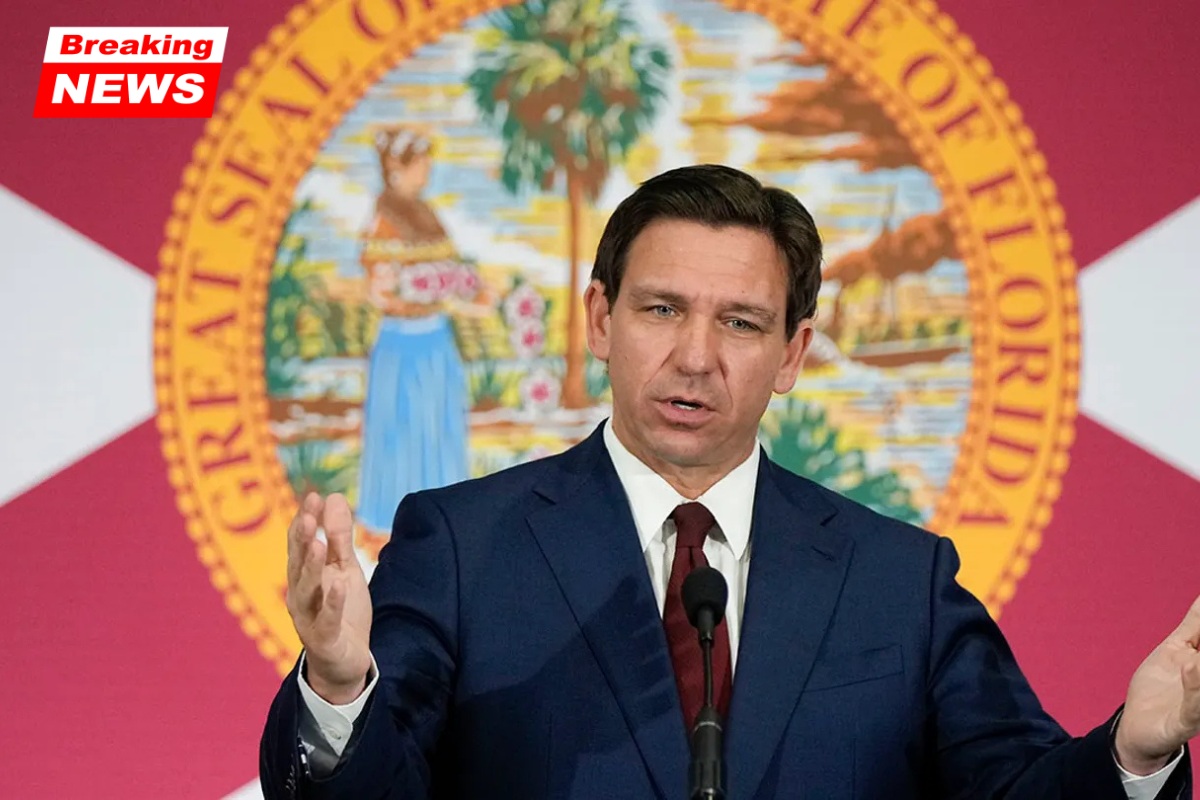
Florida is set to tighten its voting laws once again. State lawmakers have passed a strict elections bill that requires proof of citizenship when registering to vote. The move follows the model of the federal SAVE America Act, strongly backed by former President Donald Trump. Now, all eyes are on Governor Ron DeSantis, who is expected to sign the bill into law soon.
What Is Florida’s New Elections Bill?
The new measure, approved by Florida’s Republican-controlled legislature, requires voters to verify their US citizenship at the time of registration.
In Tallahassee:
- The state House passed the bill 77–28
- The state Senate approved it 27–12
- Most votes were along party lines
Ron DeSantis has already praised what he calls the “Florida version of the SAVE Act.” He said the new law would further strengthen Florida’s position as a leader in election integrity.
How Does This Connect to the Federal SAVE Act?
Donald Trump has strongly supported the federal Safeguard American Voter Eligibility (SAVE) Act. That bill would require strict voter ID and proof-of-citizenship rules nationwide.
The federal bill:
- Passed the Republican-controlled House earlier this year
- Is stalled in the Senate
- Needs 60 votes to pass, but Republicans only hold 53 seats
Republicans argue that stronger voter ID rules are necessary to protect elections. Democrats counter that noncitizen voting is already illegal and rare, and that new restrictions could make voting harder for eligible citizens.
Key Features of the Florida Law
Florida’s version includes some important details:
- Proof of citizenship will be required to register
- The rule will take effect in January, after the November 2024 midterms
- Mail-in voting will still be allowed without needing an excuse
- College students will not be allowed to use student IDs for in-person voting (starting 2027)
This means that while Florida is tightening registration rules, it is not banning mail-in voting — something Trump has often criticised.
Supporters Say It Protects Elections
Supporters believe the bill strengthens public confidence in elections.
Governor DeSantis said Florida has already implemented many election security reforms in recent years. According to him, this new step will “fortify” the state’s election system even further.
Several states have adopted similar measures, including:
- Arizona
- Kansas
- Louisiana
- South Dakota
- Utah
- New Hampshire
If signed, Florida would become the most populous state to require proof of citizenship for voter registration.
Critics Warn of Barriers
Democrats and voting rights groups strongly oppose the measure.
LaVon Bracy Davis argued that the bill creates barriers for working families, seniors, and students. She said it could disproportionately affect people with fewer resources.
Nikki Fried accused Republicans of making it harder for citizens to vote and ignoring public concerns.
Opponents argue that:
- Citizenship is already required under federal law
- Cases of noncitizen voting are rare
- Extra documentation could discourage participation
Why This Matters Politically
The debate is not just about Florida. It reflects a larger national conversation about voting rights and election security.
Here’s a simple comparison:
| Issue | Supporters Say | Critics Say |
|---|---|---|
| Proof of Citizenship | Protects elections | Creates barriers |
| Voter ID Laws | Increase confidence | May reduce turnout |
| Mail-in Voting | Needs strict oversight | Expands access |
With the 2026 midterm elections approaching, both parties see election laws as politically important. Florida’s new elections bill marks another significant step in the ongoing debate over voting rules in the United States.
Supporters believe requiring proof of citizenship will strengthen election integrity and build trust among voters. Critics argue that the measure could create unnecessary hurdles for eligible citizens, especially students and lower-income residents.
While the federal SAVE Act remains stalled in the Senate, Florida is moving ahead at the state level. If Governor DeSantis signs the bill, Florida will become the largest state to enforce such a requirement. As the country heads toward future elections, the balance between election security and voter access will likely remain one of the most debated political issues in America.