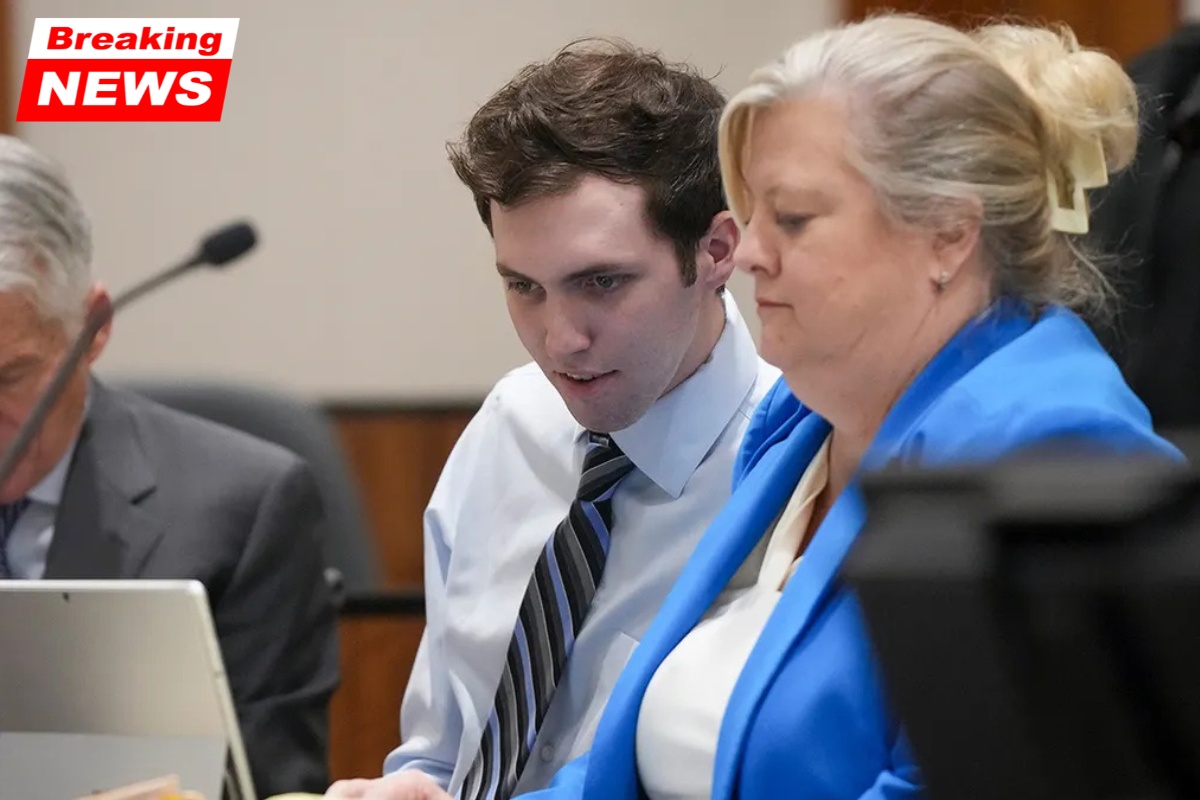
Newly released search warrants have provided more detail about the investigation into Tyler Robinson, who is accused of assassinating conservative commentator Charlie Kirk in September 2025.
The documents outline how investigators used forensic evidence, cellphone data, and digital records to place Robinson at the scene of the shooting near Utah Valley University.
DNA and Forensic Evidence Link Suspect to Scene
According to the warrants, investigators collected DNA evidence from fingerprints and a smeared palm print found near the rooftop edge of the Losee Center building.
This location is significant because authorities believe it is where Robinson climbed down after the shooting. The presence of physical evidence at that exact point strengthens the case placing him at the scene.
Why it matters:
Forensic evidence like fingerprints and DNA often plays a critical role in confirming whether a suspect was physically present at a crime scene.
Cellphone Data and Digital Trail
Investigators also analyzed Robinson’s cellphone data, which allegedly shows his movements on the day of the incident.
A Google Maps route found on his phone reportedly directed him to an area near the university campus. Combined with location tracking data, this helped establish a timeline of his movements before and after the shooting.
Why it matters:
Digital footprints can provide precise timelines and are increasingly central in criminal investigations.
The Note Left Behind
One of the most striking pieces of evidence is a note Robinson allegedly left for his roommate and partner, Lance Twiggs.
In the note, he reportedly expressed regret and suggested he was embarking on a mission targeting Charlie Kirk. He wrote that he might be dead or facing prison and reflected on his relationship, calling his partner “Luna.”
Why it matters:
If verified, such a note could be used by prosecutors to argue intent and premeditation.
Timeline of the Alleged Shooting
Court documents outline a detailed sequence of events:
- Around 8:29 a.m.: Robinson arrives in Orem in a gray Dodge Challenger
- Late morning: Surveillance captures him entering campus and checking his phone
- Around 12:02 p.m.: He is seen walking near the Losee Center
- Minutes later: He climbs stairs, scales a wall, and positions himself on the rooftop
- 12:23 p.m.: A single gunshot is fired during Kirk’s public appearance
Authorities say Robinson took a prone shooting position with a direct line of sight to Kirk before firing.
Alleged Escape and Surveillance Footage
After the shot was fired, surveillance footage reportedly shows Robinson fleeing the rooftop while carrying what appeared to be a rifle.
Investigators also noted his “distinctive gait,” which they believe may have been caused by concealing the weapon.
Why it matters:
Video evidence can help confirm identity and movement, especially when paired with other data like phone records.
Charges and Legal Status
Robinson has been charged with aggravated murder and other related offenses. He has pleaded not guilty to all charges.
Prosecutors have indicated they will seek the death penalty if he is convicted.
Summary Table
| Evidence Type | Key Details |
|---|---|
| DNA Evidence | Fingerprints and palm print on rooftop |
| Digital Data | Cellphone location and Google Maps route |
| Written Note | Alleged confession and personal message |
| Surveillance | Footage tracking movements on campus |
| Timeline | Detailed sequence leading to shooting |
| Legal Status | Not guilty plea; death penalty sought |
The newly released warrants paint a clearer picture of the case against Tyler Robinson. Investigators have built their case using a combination of physical evidence, digital tracking, and written material that they say connects him directly to the crime.
However, Robinson’s not guilty plea means the case is far from resolved. The evidence will ultimately be tested in court, where both sides will present their arguments.
As the legal process continues, this case is likely to remain closely followed due to both the nature of the crime and the high-profile figure involved.