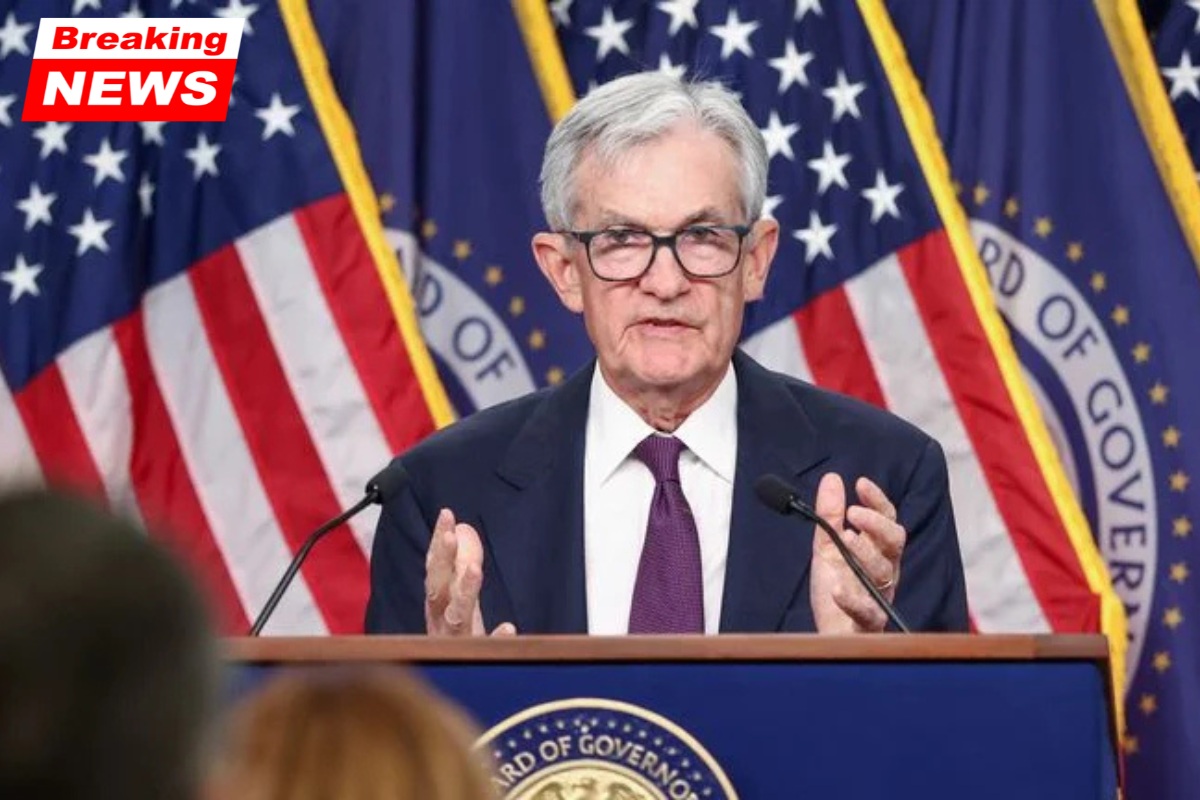
WASHINGTON, March 18 — Federal Reserve Chair Jerome Powell has pledged to remain at the helm of the Federal Reserve until the criminal investigation into his actions by U.S. Attorney Jeanine Pirro is fully resolved. This decision could undermine President Donald Trump’s efforts to install Kevin Warsh as Powell’s successor, a move that had been hoped to fulfill Trump’s demand for a more accommodating central banker.
Powell’s Stance Amid Investigation
Powell’s declaration that he intends to stay at the Federal Reserve Board of Governors until the investigation is concluded stands in contrast to Trump’s desire for a leadership change at the Fed.
Powell said on Wednesday that he has “no intention of leaving the Board until the investigation is well and truly over with transparency and finality,” referring to Pirro’s ongoing investigation into Powell’s role in issues involving cost overruns on renovations to the Fed’s Washington headquarters.
While Powell’s term as Fed Chair is set to expire in mid-May, his position on the Fed’s Board does not end until January 31, 2028. Powell has stated that he may remain at the Fed chair even after his term ends if the Warsh nomination is delayed.
This decision would be in accordance with federal law, which calls for Powell to serve as Chair Pro Tem if a successor is not confirmed before his term ends.
Challenges to Warsh’s Confirmation
The appointment of Kevin Warsh, Trump’s pick to replace Powell as Fed Chair, has been complicated by the ongoing investigation. Senator Thom Tillis (R-NC), a member of the Senate Banking Committee, has stated that he will block Warsh’s confirmation until the probe is resolved.
In a recent development, a U.S. judge quashed subpoenas issued by Pirro’s office that would have forced Powell and the Fed to provide certain documents, a move that could have advanced Warsh’s confirmation process. However, Pirro announced plans to appeal the ruling, which could further delay the nomination process.
Trump’s Frustration with the Fed
This latest conflict comes amid growing tensions between President Trump and the Federal Reserve. Trump has repeatedly criticized Powell for not cutting interest rates aggressively enough to suit his economic goals.
He has even threatened to fire Powell on multiple occasions and has sought to pressure the Fed to align with his policy preferences. This includes Trump’s failed attempt to remove Fed Governor Lisa Cook, which is now being reviewed by the Supreme Court.
Powell has defended his actions and the Fed’s independence, arguing that the legal investigation into him is politically motivated, mainly stemming from his refusal to follow Trump’s preferred monetary policies.
Chief U.S. District Judge James Boasberg has supported Powell’s stance, ruling that the investigation is without merit. “The government has offered no evidence whatsoever that Powell committed any crime other than displeasing the president,” Boasberg wrote.
Impact on Federal Reserve’s Independence
The legal challenges surrounding Powell’s leadership have raised concerns about the independence of the Federal Reserve, a cornerstone of the U.S. financial system. The Fed is granted the authority to set monetary policy independently, and many economists argue that this autonomy is crucial to achieving better economic outcomes, including managing inflation.
New York Fed President John Williams emphasized in January that central banks that face political interference tend to have worse outcomes on issues like inflation. This conflict over the Iran war and the Trump administration’s demand for more influence highlights the growing stress on the Fed’s ability to make decisions free from political pressure.
Fed Succession and Long-Term Issues
The Federal Reserve’s leadership is particularly complicated because the Fed Chair is both a governor and holds a separate term from the rest of the board members. The Federal Open Market Committee (FOMC) typically elects the FOMC chair, although this role has traditionally been filled by the Chair of the Board of Governors.
With Powell’s future uncertain, the question of the Fed’s leadership and its ability to remain independent amid external pressures is likely to remain a focal point in U.S. financial policy. The eventual resolution of the Warsh nomination and the investigation into Powell will have significant implications for the direction of the Fed and its policy decisions.
Key Developments:
| Issue | Details |
|---|---|
| Powell’s Commitment | Vows to stay until the investigation is resolved |
| Warsh Nomination | Delayed due to investigation, blocked by Sen. Thom Tillis |
| Trump’s Criticism of Powell | Criticizes Powell for not cutting interest rates enough |
| Investigation Ruling | Judge quashes subpoenas, Pirro plans to appeal |
| Fed Independence | Concerns grow over political interference in the Fed |
| Trump’s Tensions with the Fed | Calls for more control over monetary policy |
Federal Reserve Chair Jerome Powell remains steadfast in his commitment to stay at the helm of the Fed, despite the ongoing investigation into his actions and political pressure from President Donald Trump.
With Powell’s term expiring soon and the Warsh nomination on hold, the Fed’s independence is at risk as political battles continue to play out. The resolution of this standoff will have lasting consequences for the U.S. economy and the Fed’s ability to make independent policy decisions in the future.