Fresh reports suggest that the United States is quietly preparing for the possibility of military action against Cuba, signaling a sharp escalation in already strained relations. While no official decision has been announced, contingency planning inside the Pentagon indicates that the situation is being taken seriously at the highest levels of government.
Pentagon Prepares for Possible Intervention
Recent disclosures indicate that the Pentagon has begun developing contingency plans in case President Donald Trump orders a military operation in Cuba.
According to multiple sources familiar with the matter, these preparations are part of standard military protocol, where defense officials plan for a range of scenarios even if no final order has been given. The Pentagon itself confirmed that it remains ready to execute presidential directives if required .
However, the existence of such planning reflects growing concern within Washington about the direction of U.S.–Cuba relations.
What’s Driving the Escalation?
The current crisis stems from a series of actions taken earlier this year. In January 2026, the U.S. imposed a strict oil blockade on Cuba, cutting off a major source of fuel and worsening the island’s economic crisis .
This move was part of a broader effort by the Trump administration to pressure Cuba’s communist government into political reforms. Since then:
- Cuba has faced severe fuel shortages and blackouts
- Diplomatic tensions have intensified
- Negotiations between the two nations have stalled
The crisis is now widely referred to as part of the ongoing “2026 Cuban crisis,” a period marked by economic hardship and geopolitical confrontation.
Trump’s statements Fuel Speculation
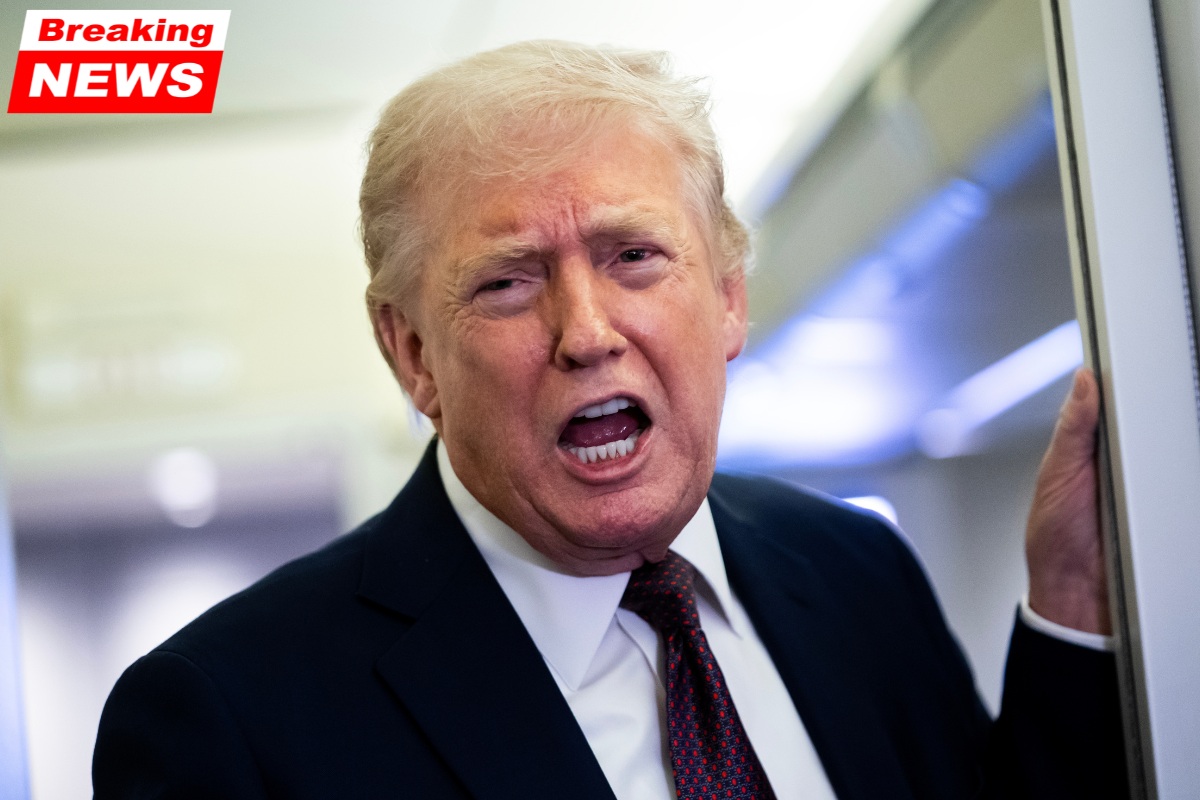
President Trump has added to the uncertainty with a series of provocative public remarks. He suggested that the U.S. could soon take action in Cuba, saying the country might be next after ongoing military operations elsewhere.
He has also claimed he could “take Cuba, in some form,” reinforcing perceptions that military intervention is at least being considered .
Such statements have raised alarms both domestically and internationally, especially given recent U.S. military actions in the region.
Cuba Responds with Defiance
Cuban President Miguel Díaz-Canel has responded with strong rhetoric, warning that Cuba would defend itself against any attack.
In recent statements, Díaz-Canel emphasized national sovereignty and resistance, making it clear that any U.S. military action would not go unanswered. This stance reflects Cuba’s long-standing position against foreign intervention and echoes Cold War-era tensions.
Military vs Political Reality
Experts caution that while a U.S. military operation might be quick from a tactical standpoint, the long-term consequences would be far more complex.
Analysts note:
- Cuba’s military capabilities are relatively limited compared to the U.S.
- A conflict could result in rapid initial success for U.S. forces
- However, post-conflict governance and stability would be difficult
This mirrors challenges seen in past interventions, where military victories did not translate into stable political outcomes.
A History of Tension Between the U.S. and Cuba
The possibility of U.S. intervention in Cuba is not new. Relations between the two countries have been tense for decades, dating back to the 1959 revolution led by Fidel Castro.
Key historical flashpoints include:
- The Bay of Pigs invasion (1961)
- The Cuban Missile Crisis (1962)
- Decades of economic embargoes and Political hostility
Today’s situation echoes many of these past tensions, though the global context has shifted significantly.
Is This Real Planning or Strategic Signaling?
Some experts believe the current military preparations may be more about signaling than imminent action. By demonstrating readiness, the U.S. could be Trying to press on Cuba to make concessions without actually launching an attack.
This strategy allows Washington to maintain leverage while avoiding the risks of direct conflict.
At the same time, the presence of real planning means the possibility of escalation cannot be ignored.
Key Developments at a Glance
| Category | Details |
|---|---|
| Country Involved | United States vs Cuba |
| U.S. Leader | Donald Trump |
| Cuban Leader | Miguel Díaz-Canel |
| Key Trigger | U.S. oil blockade (2026) |
| Military Status | Pentagon contingency planning |
| Cuban Response | обещание resistance |
| Risk Level | Rising tensions, uncertain outcome |
The situation between the United States and Cuba is entering a critical phase. While no formal decision has been made to launch military action, the combination of Pentagon planning, Political rhetoric, and escalating economic pressure suggests a volatile environment.
President Trump’s statements and the ongoing Cuban crisis have created conditions where even routine military preparations carry significant weight. Meanwhile, Cuba’s firm stance indicates that any conflict would not be one-sided, even if the military balance favors the U.S.
Ultimately, the biggest challenge may not be the possibility of war itself, but what comes after. History shows that intervention in Cuba is never just a military question. It is a political, economic, and humanitarian issue with consequences that could extend far beyond the Caribbean.