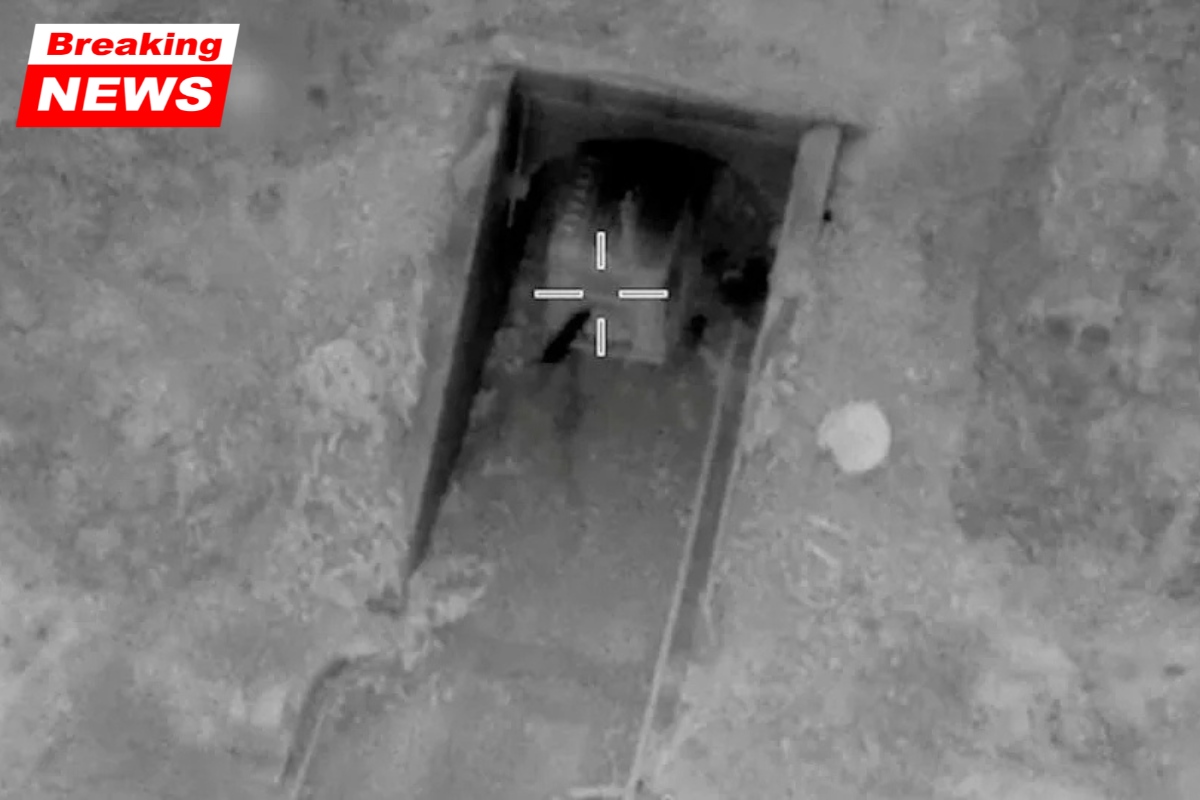
Despite intense airstrikes by the United States and Israel over the past five weeks, Iran’s missile launchers and drones remain a formidable threat in the region, according to recent US intelligence assessments. These ongoing capabilities suggest that while significant damage has been inflicted, the Iranian military still has the potential to cause substantial disruption.
Key Details from the Intelligence Assessment
| Aspect | Details |
|---|---|
| Missile Launchers | Around 50% of Iran’s missile launchers are still intact, some potentially buried underground. |
| Drones | Thousands of drones (about 50% of Iran’s drone capabilities) remain, indicating substantial threat potential. |
| Coastal Defense Missiles | A large portion of Iran’s coastal defense missiles remain intact, which could threaten the Strait of Hormuz. |
| Current Military Situation | Despite heavy airstrikes, Iran still possesses significant missile, drone, and naval capabilities. |
Continued Military Threats Despite Strikes
Recent intelligence assessments indicate that half of Iran’s missile launchers remain operational, with many likely concealed in underground facilities or caves—strategically hidden for scenarios like this. The US and Israeli forces have targeted these facilities, but due to their underground nature, many launchers remain difficult to neutralize completely.
Drone and Missile Capabilities Still Pose a Risk
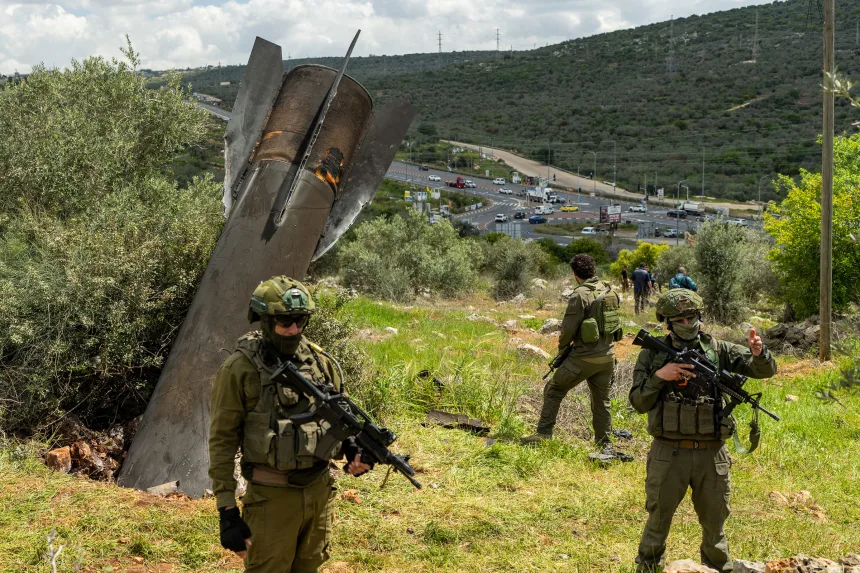
Iran’s drones—including one-way attack drones—continue to be a significant threat. Intelligence reports suggest that even after five weeks of continuous strikes, Iran still retains thousands of drones that could be used for future attacks. Similarly, while US and Israeli operations have destroyed a number of missile assets, Iran’s missile capabilities are still operational, though their usage has decreased by 90%.
Struggles with Reopening the Strait of Hormuz
One of the primary concerns in the ongoing conflict is access to the Strait of Hormuz, a critical chokepoint for global oil shipments. Despite efforts to neutralize Iran’s coastal defense missiles, the US and Israel have acknowledged that they may not be able to completely reopen the Strait before the conflict ends. Iran’s ability to target shipping in this area remains a significant concern.
The Fate of Iran’s Naval Capabilities
Although the Iranian Navy has been largely destroyed, sources indicate that Iran’s Islamic Revolutionary Guard Corps (IRGC) still maintains substantial naval assets. The IRGC Navy continues to pose a threat to shipping, particularly in the Strait of Hormuz, where they have historically harassed vessels. According to US reports, 155 Iranian vessels have been damaged or destroyed, but some capabilities still remain.
President Trump’s Optimistic Timeline vs. Ground Realities
In his recent address, President Trump optimistically claimed that the US would finish its military objectives in the conflict within two to three weeks. However, sources familiar with the intelligence assessment suggest this timeline may be unrealistic given the continued capabilities of Iran’s military assets, particularly its missile launchers and drone fleet.

While US Central Command (CENTCOM) has pointed to the 90% decrease in missile and drone attacks, some experts believe that Iran’s remaining firepower could still inflict significant harm before it is completely neutralized.
Challenges in Targeting Mobile Platforms
Another complication in the effort to dismantle Iran’s military capabilities is the mobile nature of many launchers and platforms. Iran has successfully concealed its launchers in underground tunnels, making them more challenging to target.
Additionally, mobile platforms have been moved frequently, further complicating efforts to destroy them. The US and Israel have been targeting tunnel entrances and equipment used to maintain underground access, but this effort is ongoing.
The Remaining Threats
Despite the extensive damage inflicted, there are still several significant threats that Iran can use to disrupt regional security:
- Proxies and Drones: Iranian proxy groups and drone fleets continue to pose a danger to US and allied forces in the region.
- Coastal Defense and Missiles: Many of Iran’s coastal defense systems remain intact, presenting a continued risk to maritime traffic, particularly in the Strait of Hormuz.
- IRGC Navy: While Iran’s main naval forces have been decimated, the IRGC Navy, responsible for harassing shipping in the Strait, still retains considerable operational capabilities.
The recent intelligence assessments offer a more nuanced picture of the current state of the conflict with Iran, suggesting that while the US and Israeli airstrikes have significantly degraded Iran’s military capabilities, the country still possesses substantial missile, drone, and naval assets.
This ongoing threat underscores the difficulty in achieving a quick resolution and the continued risks to regional security, particularly in the Strait of Hormuz.