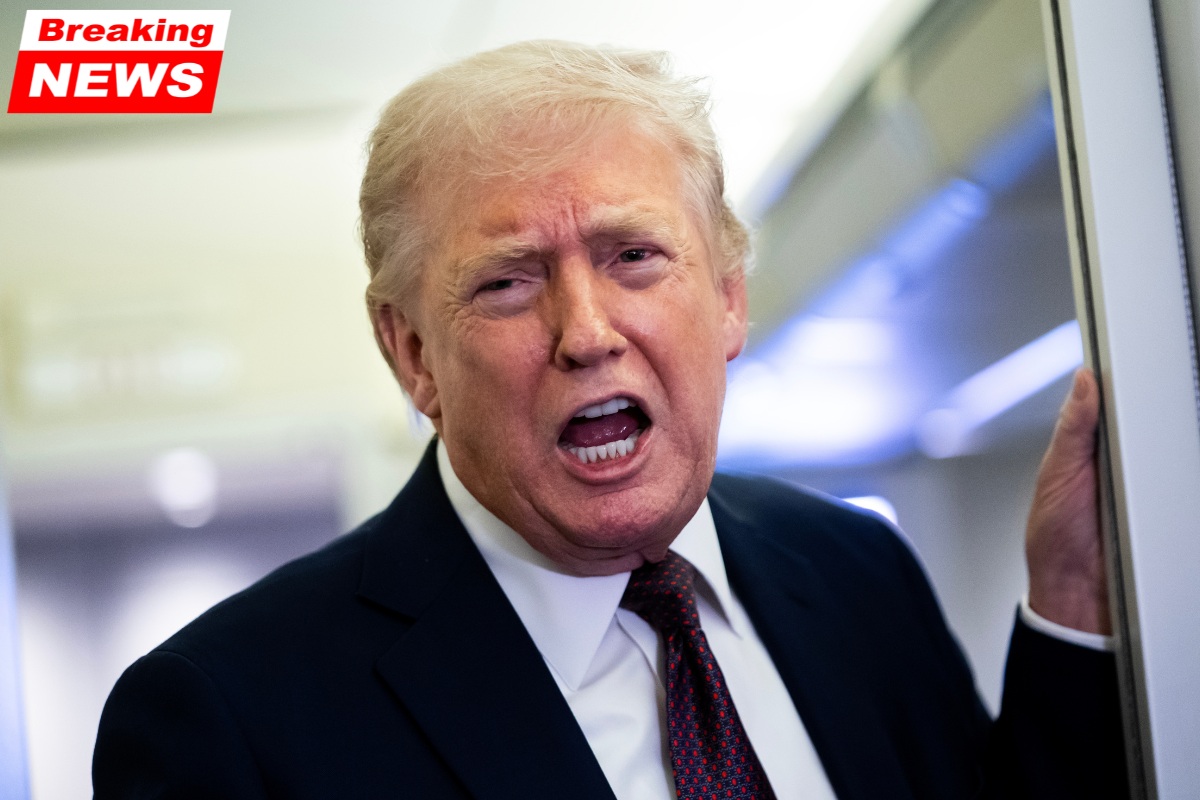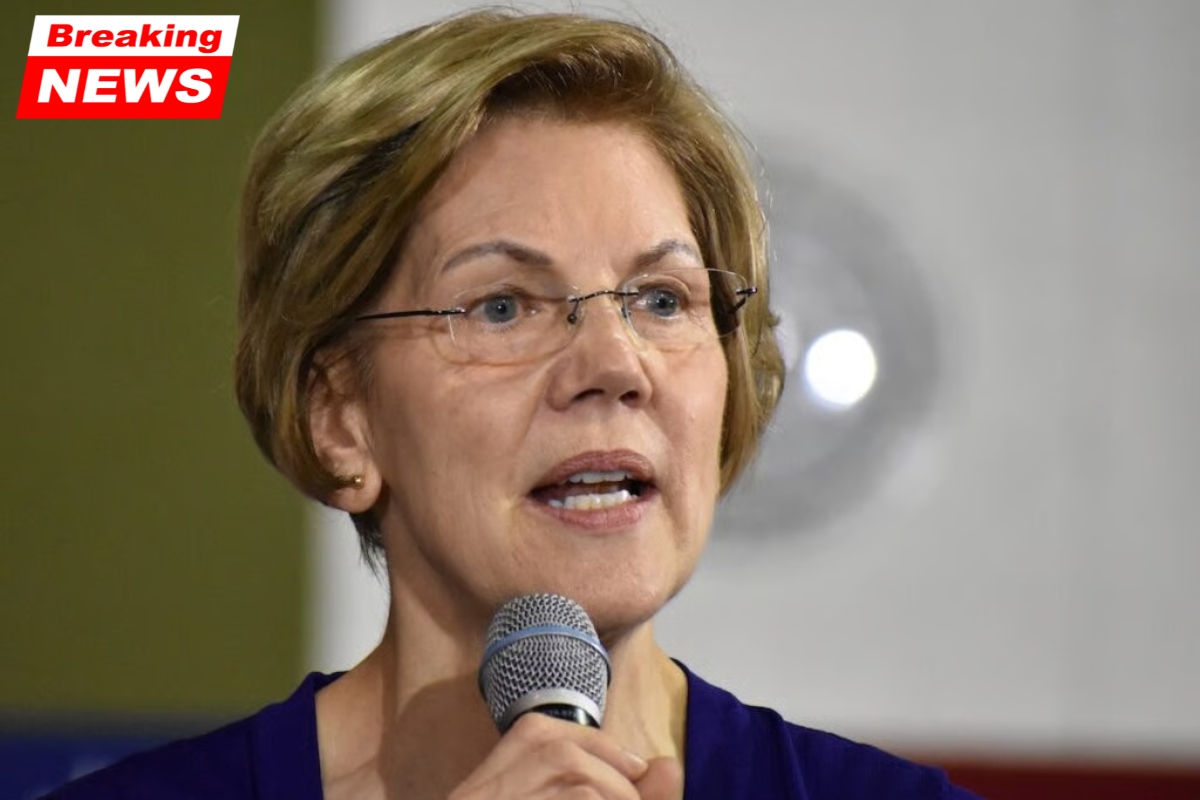
Ahead of a prime-time address on the Iran conflict, Senator Elizabeth Warren sharply criticized Donald Trump, accusing him of abandoning key campaign promises.
Her remarks focused on both the human and economic consequences of the ongoing conflict, as well as what she described as a major shift from Trump’s original political commitments.
Key Details at a Glance
| Aspect | Details |
|---|---|
| Senator | Elizabeth Warren |
| Target | Donald Trump |
| Main Issue | Iran conflict |
| Key Claim | Trump broke campaign promises |
| Concerns | Human cost and economic impact |
| Timing | Ahead of Trump’s national address |
Warren’s Main Argument: Broken Promises
Warren argued that Trump’s handling of the Iran conflict contradicts his earlier campaign pledges, particularly his promises to:
- Avoid foreign wars
- Reduce costs for Americans immediately
In a social media post, she stated that those promises are now “in tatters,” claiming the administration has instead led the country into a prolonged and risky conflict.
She urged immediate action, calling on the president to end the war without delay.
Focus on the Human Cost
A central part of Warren’s criticism is the humanitarian impact of the conflict.
In a previously published opinion piece, she outlined what she described as severe consequences:
- U.S. service members killed
- Hundreds of troops injured
- Thousands of civilian casualties
- Large-scale displacement of populations
She described the situation as “unconscionable,” emphasizing that the human toll should be a primary factor in policy decisions.
Economic Concerns and Energy Risks
Warren also warned about growing economic risks tied to the conflict.
One major concern is the disruption of global oil supply routes, particularly through the Strait of Hormuz.
She argued that continued instability could:
- Drive up oil prices
- Increase inflationary pressure
- Strain the U.S. economy further
These concerns connect the foreign conflict directly to domestic economic conditions, making the issue more immediate for American households.
Pressure Builds Before Trump’s Speech
Warren’s comments came just hours before Trump’s scheduled national address, adding political pressure at a critical moment.
At the same time, Masoud Pezeshkian issued a public message to Americans, describing the conflict as an “occupation and invasion” while emphasizing that Iran does not view ordinary citizens in Western countries as enemies.
This combination of domestic criticism and international messaging has heightened the stakes surrounding Trump’s speech.
Trump’s Position on the Conflict
Trump has suggested that the military campaign could be scaled back within two to three weeks and indicated that a withdrawal may not require specific concessions from Iran.
This position presents a contrast to Warren’s claims, highlighting a broader political divide over how the conflict is being managed and how it should end.
Why This Debate Matters
The exchange between Warren and Trump reflects deeper disagreements over U.S. foreign policy.
Key issues include:
- The role of military intervention
- Balancing national security with humanitarian concerns
- Economic consequences of global conflict
- Accountability to campaign promises
These debates are likely to shape public opinion and political discourse as the conflict continues.
Elizabeth Warren’s criticism underscores growing political pressure on President Trump as the Iran conflict unfolds. By focusing on broken promises, human suffering, and economic risks, she has framed the issue as both a moral and practical concern.
With Trump preparing to address the nation, the coming developments will be closely watched, not only for policy direction but also for their political impact.