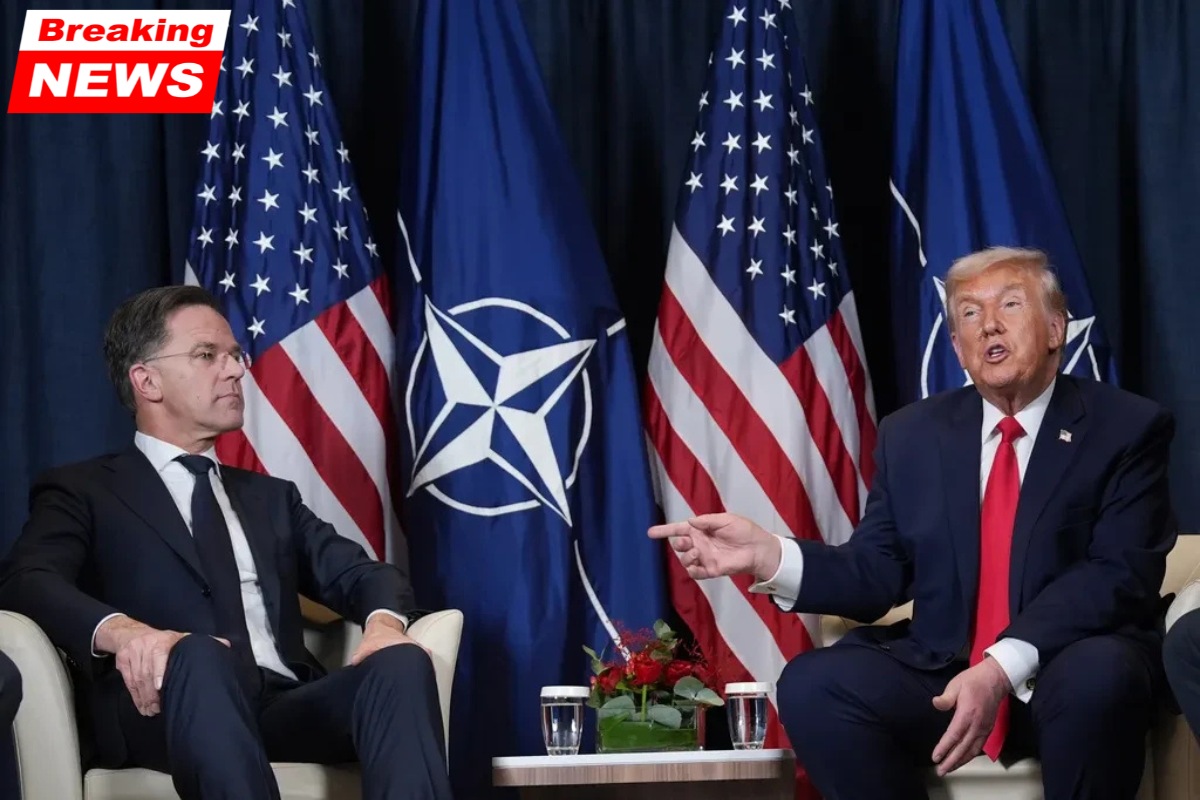
A group of 80 House Republicans voted Friday in support of a proposal to cut nearly $482 million from U.S. funding connected to the North Atlantic Treaty Organization (NATO) and redirect the money toward military construction projects at American bases.
The proposal, introduced by Greg Steube, highlighted growing divisions within the Republican Party over America’s role in NATO and foreign military spending.
Although the amendment ultimately failed by a wide margin in the House of Representatives, the vote underscored increasing frustration among some conservatives regarding U.S. financial support for allied nations.
| Key Detail | Information |
|---|---|
| Proposal Sponsor | Greg Steube |
| Political Party | Republican |
| Amount Proposed for Cuts | $481.8 million |
| Program Targeted | NATO Security Investment Program |
| Proposed Use of Funds | U.S. military bases |
| Vote Outcome | Failed |
| Final Vote Count | 333-80 |
What the Proposed NATO Funding Cut Would Have Done
The amendment proposed shifting approximately $481.8 million away from the NATO Security Investment Program and reallocating the funds toward military infrastructure projects within the United States.
North Atlantic Treaty Organization operates the NATO Security Investment Program as a shared funding pool supported by all 32 member nations.
The program helps finance infrastructure, communications systems and defense-related construction projects across NATO countries.
The United States and Germany are among the largest contributors to the program.
Supporters of the amendment argued that American taxpayer dollars should be focused more heavily on domestic military needs rather than overseas alliance spending.
Greg Steube Criticizes NATO Allies
After introducing the proposal, Steube criticized several NATO countries for what he described as a lack of support for the United States during recent international conflicts.
In comments shared publicly, Steube argued that some allied nations rely heavily on American military protection while failing to fully support U.S. interests when tensions escalate.
He specifically questioned whether American taxpayers should continue subsidizing defense arrangements for countries that hesitate to cooperate during military operations.
The proposal reflected broader concerns among some Republicans that the United States shoulders a disproportionate share of NATO’s defense burden.
The House Vote Revealed Republican Divisions
Although the amendment was decisively rejected by a vote of 333 to 80, the results showed a notable split among Republicans on NATO funding.
A total of 127 Republicans joined Democrats and one independent lawmaker to defeat the proposal, while 80 Republicans supported it.
The vote demonstrated that while skepticism toward NATO exists within parts of the Republican Party, significant GOP support for the alliance still remains.
Tim Burchett, who voted in favor of the amendment, expressed frustration over what he sees as unequal defense commitments within NATO.
Burchett argued that the United States frequently protects allied countries while receiving limited support in return during major geopolitical disputes.
Trump Administration’s Frustration With NATO
The debate over NATO funding comes during renewed criticism of allied nations from Donald Trump and members of his administration.
Trump has repeatedly accused NATO countries of failing to contribute enough toward collective defense and relying too heavily on American military strength.
Recent tensions reportedly increased after several NATO countries declined to assist the United States during military operations connected to Iran.
According to administration officials, some allies refused to allow the U.S. military to use Middle Eastern bases for strikes related to the Iran conflict.
Trump has also criticized NATO members for not contributing enough support to efforts aimed at protecting shipping routes through the Strait of Hormuz, a critical waterway for global oil transportation.
Marco Rubio Questions NATO Cooperation
Marco Rubio also raised concerns about the value of military alliances when allies hesitate to cooperate during international crises.
Speaking in a recent interview, Rubio questioned the purpose of alliances if member nations selectively decide when to provide support.
His comments reflected growing frustration within parts of the administration over what officials see as inconsistent commitment from some NATO partners.
Critics of NATO funding argue that the alliance should involve more equal participation and burden-sharing among member countries.
Supporters of NATO Defend the Alliance
Despite criticism from some Republicans, many lawmakers from both parties continue defending NATO as one of the most important military alliances in modern history.
Supporters argue that NATO strengthens global stability, deters adversaries and provides critical security cooperation between democratic nations.
They also note that NATO infrastructure investments benefit U.S. military operations abroad by improving communication systems, transportation routes and strategic defense capabilities.
Opponents of the funding cut warned that reducing American contributions could weaken the alliance at a time of rising global tensions involving Russia, China and Iran.
Growing Debate Over America’s Global Role
The vote reflects a larger debate taking place within American politics over the country’s role in international security alliances.
Some lawmakers favor a more nationalist approach focused on domestic priorities and reducing foreign commitments.
Others argue that strong alliances remain essential for maintaining global stability and protecting U.S. interests abroad.
The issue has become especially significant as military conflicts and geopolitical tensions continue increasing in several regions around the world.