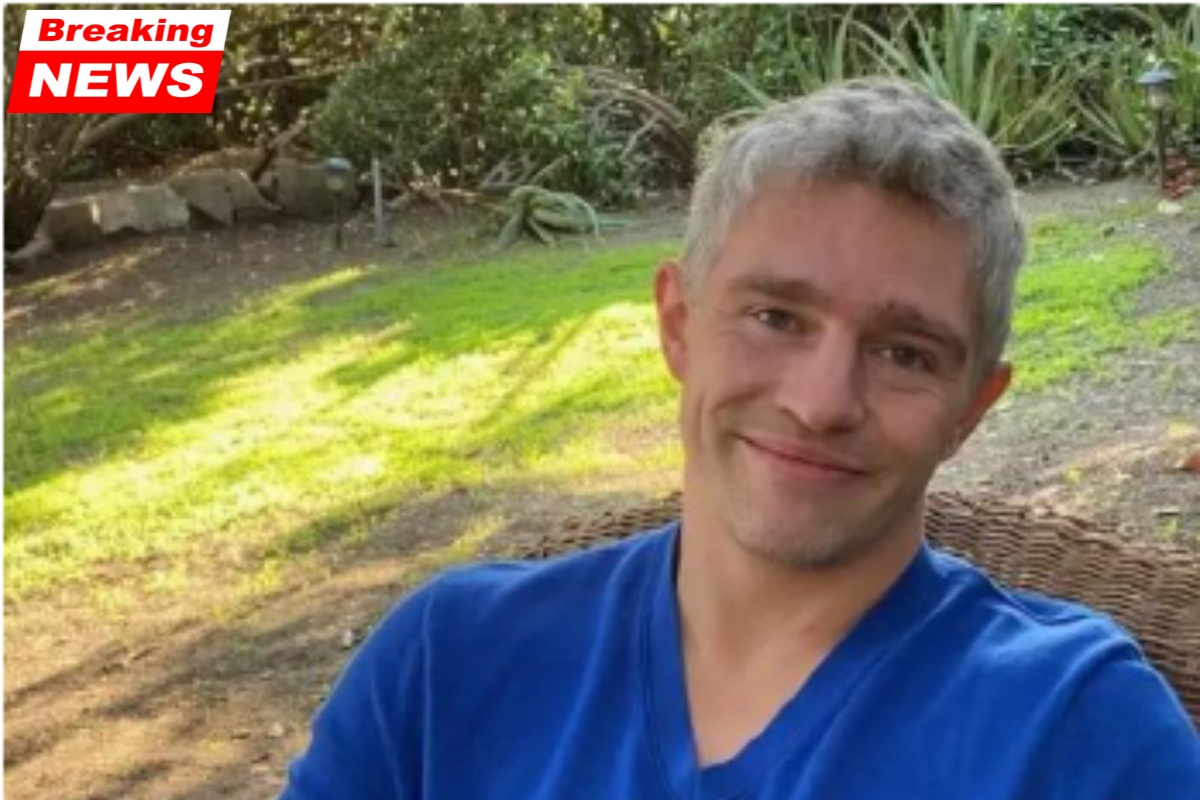
A disturbing incident in Florida has led to multiple criminal charges against a 42-year-old man accused of opening fire on his Uber driver following a heated argument over politics and religion.
The case has raised concerns about passenger safety, hate-motivated behavior, and the risks rideshare drivers can face on the job.
What Happened During the Ride
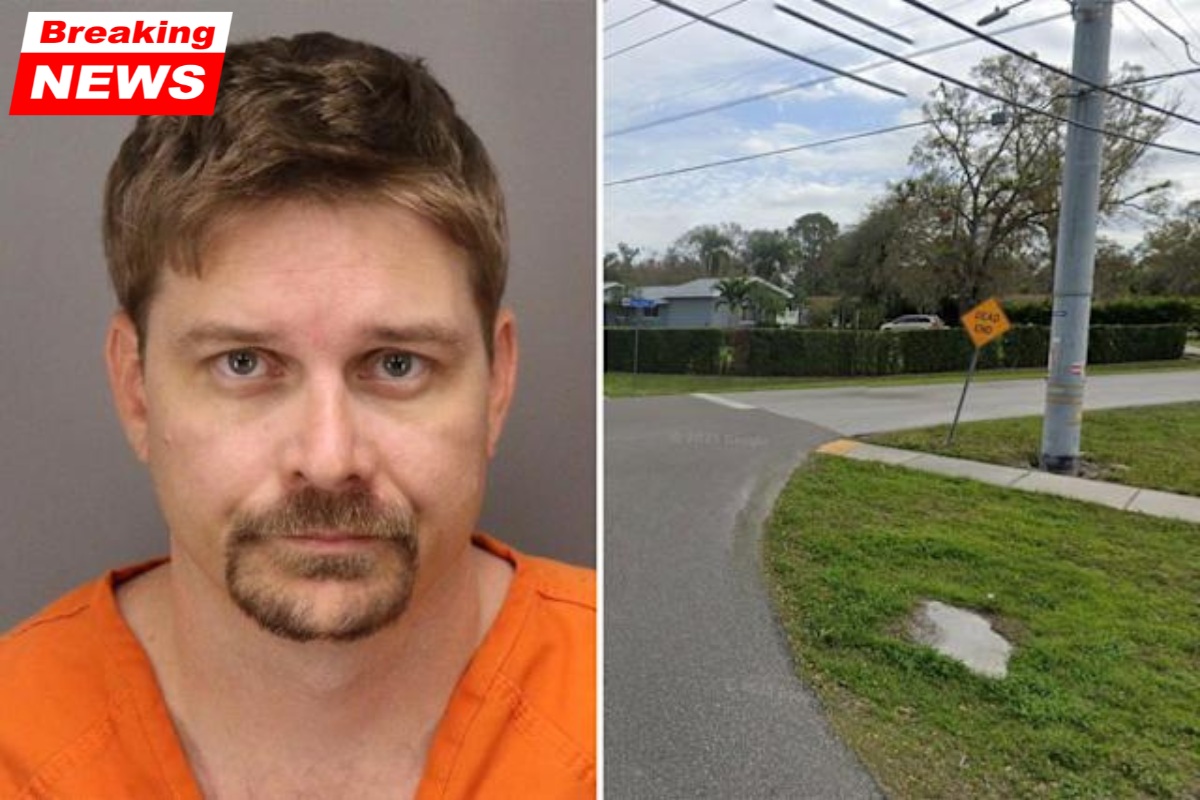
The accused, David Stuart Stinson, had ordered an Uber ride from his sister’s home in Oldsmar to his residence in Largo.
According to an arrest affidavit, the situation escalated when the conversation inside the vehicle shifted to religion and politics. During the exchange, Stinson allegedly learned that the driver was an immigrant.
Authorities say Stinson then told the driver to “go back to his country,” a statement that appears to have intensified the confrontation.
Argument Escalates Into Violence
As tensions rose, the driver reportedly felt unsafe and decided to end the ride early. He pulled over, opened the passenger door, and demanded that Stinson exit the vehicle due to his increasingly aggressive behavior.
Once Stinson was out, the driver attempted to leave the scene. That’s when, according to police:
- Stinson allegedly pulled out a firearm
- Fired three shots at the vehicle
- Struck the rear of the car and the passenger seat
Despite the gunfire, the driver was not physically injured. However, he later told authorities he feared for his life during the incident.
Police Response and Arrest
The shooting occurred near Belleair Road in Clearwater. Law enforcement quickly responded and tracked Stinson to his home, located about two miles from the scene.
During the initial interaction with deputies from the Pinellas County Sheriff’s Office, Stinson allegedly attempted to hide evidence by handing a bag to his wife.
Authorities recovered the bag and found:
- A Glock-19 handgun
- Ammunition believed to be used in the shooting
Investigators believe this weapon was used in the attack.
Charges Filed Against the Suspect
Stinson now faces multiple serious charges, including:
| Charge | Description |
|---|---|
| Shooting a deadly missile into a vehicle | Firing a weapon at an occupied car |
| Aggravated assault with a deadly weapon | Threatening harm using a firearm |
| Discharging a firearm in public | Illegal use of a gun in a public space |
| Tampering with physical evidence | Attempting to conceal evidence |
These charges reflect the severity of the alleged actions and carry significant legal consequences if proven in court.
Statements and Evidence
During questioning, Stinson admitted to arguing with the driver but denied possessing a firearm or firing shots. However, physical evidence recovered by police appears to contradict this claim.
Investigators also noted that Stinson was believed to be under the influence of alcohol at the time of the incident. It remains unclear whether other substances were involved.
Court Actions and Current Status
After his arrest, Stinson was taken to jail but later released on bond. The Pinellas County Court has since taken additional steps to address public safety concerns.
A Temporary Extreme Risk Protection Order has been issued, requiring Stinson to surrender any firearms due to the threatening nature of the incident.
He is scheduled to appear in court again on April 27.
Safety Concerns for Rideshare Drivers
This case highlights the risks faced by rideshare drivers, especially when dealing with unpredictable passengers.
Drivers are often alone with passengers, making it difficult to manage escalating situations. Many platforms encourage drivers to:
- End rides if they feel unsafe
- Report aggressive behavior immediately
- Avoid engaging in sensitive topics like politics or religion
The alleged shooting in Florida shows how quickly a verbal disagreement can turn into a dangerous situation. What began as a routine Uber ride escalated into gunfire, multiple criminal charges, and a court case that could have long-term consequences.
While no one was physically injured, the incident underscores the importance of de-escalation, responsible firearm use, and accountability. As the legal process continues, the outcome will depend on how the evidence is evaluated in court.