
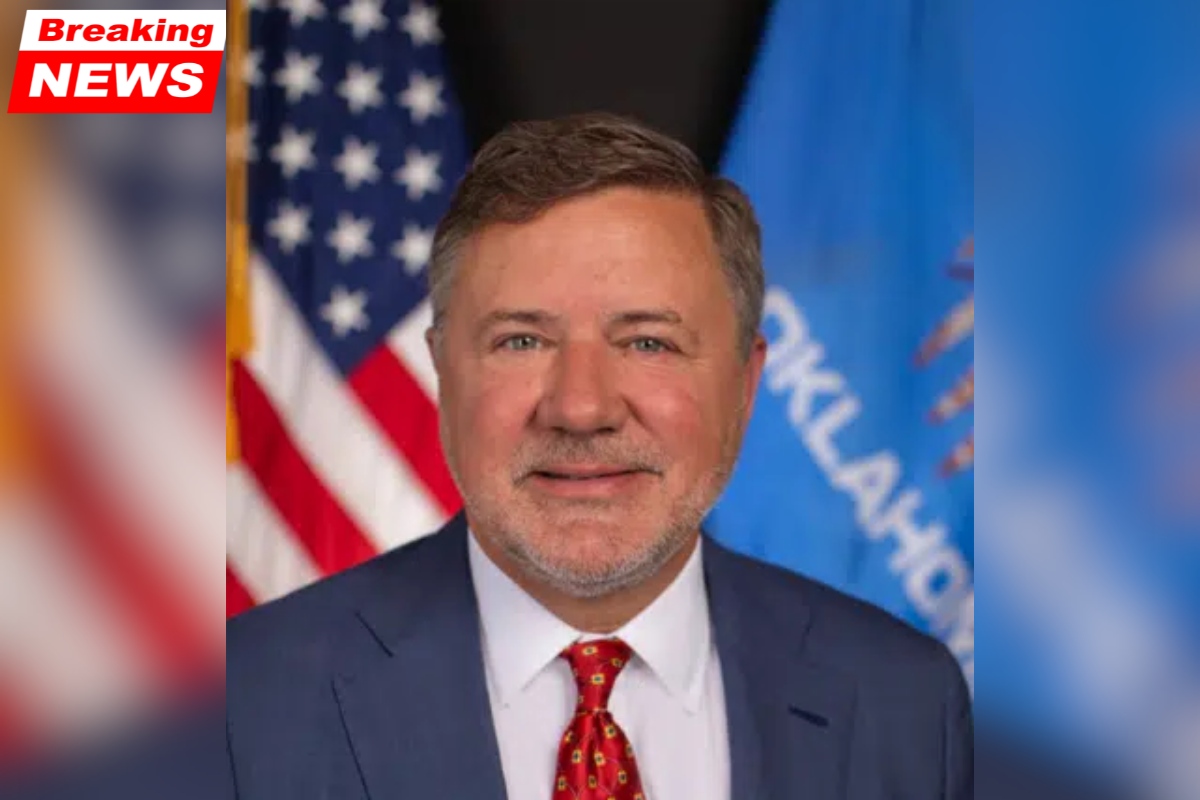
A political clash is growing in Oklahoma after Gentner Drummond strongly criticised Kevin Stitt for vetoing a transparency bill aimed at strengthening government accountability and open meetings laws.
The disagreement centres around House Bill 3278, a measure supporters say would have improved oversight of public bodies and protected the public’s right to transparent government operations.
What Was House Bill 3278?
House Bill 3278 was designed to strengthen Oklahoma’s Open Meeting Act by giving the Attorney General more authority to investigate and enforce violations.
The bill would have allowed the Attorney General to:
- Issue findings of Open Meeting Act violations
- Impose civil penalties
- Seek court enforcement against government bodies violating transparency laws
Supporters argued the bill would help increase accountability and prevent government secrecy.
| House Bill 3278 Overview | Details |
|---|---|
| Main focus | Government transparency |
| Law involved | Oklahoma Open Meeting Act |
| Proposed powers | Civil penalties and enforcement |
| Legislative support | Bipartisan approval |
| Final action | Vetoed by Governor Stitt |
Drummond Calls Veto a ‘Betrayal’
After the veto, Gentner Drummond released a sharp statement accusing the governor of siding against transparency.
Drummond said the veto raises questions about why stronger accountability measures were rejected despite bipartisan support in the Legislature.
He argued that Oklahoma residents expect government officials to operate openly and follow transparency laws.
According to Drummond, accountability should not be optional for public officials and agencies.
Bill Passed Legislature With Bipartisan Support
Before being vetoed, House Bill 3278 passed both the Oklahoma House and Senate with support from lawmakers in both political parties.
Supporters described the proposal as a common-sense reform aimed at improving public trust in government.
The bill focused specifically on enforcing existing transparency rules rather than creating entirely new government regulations.
Veto Override Still Possible
Under Oklahoma law, lawmakers can override a governor’s veto with a two-thirds majority vote in both chambers of the Legislature.
Drummond publicly encouraged legislators to override the veto and move the bill into law despite the governor’s rejection.
This is not the first time Oklahoma lawmakers and Governor Stitt have clashed over transparency-related legislation.
Previous Transparency Bill Was Also Vetoed
Last year, Governor Stitt also vetoed House Bill 2163, another measure connected to public accountability and open records requests.
However, in that case, the Legislature later voted to override the veto.
That history is now leading some observers to wonder whether lawmakers may attempt another override effort involving House Bill 3278.
Why Open Government Laws Matter
Open meeting and public records laws are designed to help citizens understand how government decisions are made.
These laws generally require:
- Public access to meetings
- Transparency in government discussions
- Availability of public records
- Accountability for official actions
Supporters of stronger enforcement argue that transparency builds trust between government leaders and the public.
Critics of expanded enforcement powers sometimes argue there should also be limits on government oversight authority.
Transparency Debate Continues in Oklahoma
The fight over House Bill 3278 has become part of a larger debate about government transparency and accountability in Oklahoma. While supporters believe the bill would strengthen public trust and discourage secrecy, Governor Stitt’s veto has sparked criticism from Attorney General Drummond and transparency advocates.
The Legislature now faces an important decision on whether to attempt a veto override, which could determine the future of the proposed reforms. As discussions continue, the issue is likely to remain a major topic in Oklahoma politics.






