The conflict between the United States and Iran has entered a tense but important stage. On one side, President Donald Trump has warned Iran of stronger bombing if it refuses a peace deal.
On the other side, reports suggest that both countries may be close to an understanding that could end the war. This mix of threat and diplomacy has kept global markets, oil companies, and world leaders watching closely.
Trump Warns Iran Over Peace Deal
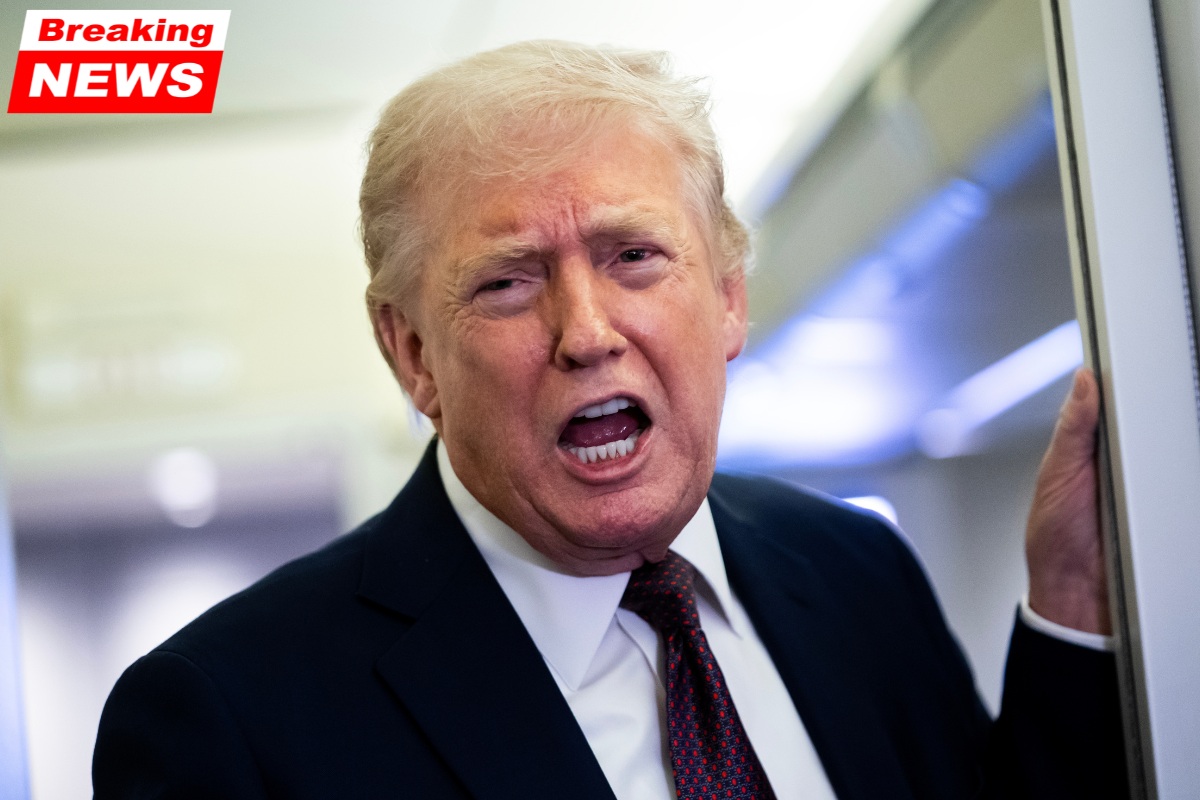
Donald Trump said on Wednesday that Iran would be bombed “at a much higher level” if it does not agree to a peace deal.
In a Truth Social post, he said the U.S. military operation called Operation Epic Fury would end only if Iran accepts what has already been agreed.
He also said that if Iran agrees, the U.S. naval blockade of Iranian ports in the Gulf of Oman would allow the Strait of Hormuz to be open to all, including Iran.
But if Iran refuses, Trump warned that bombing would restart with more power and intensity than before.
Axios Report Raises Hope for Agreement
Trump’s warning came after Axios reported that the U.S. and Iran were close to a one-page, 14-point memorandum of understanding.
This document could end the war and create a framework for more talks.
According to the report, Washington is waiting for Tehran’s response on several key points within 48 hours.
The possible deal may include Iran pausing nuclear enrichment, the U.S. lifting sanctions, and both sides reducing controls on ships passing through the Strait of Hormuz.
The report also said many terms depend on a final agreement between the two delegations.
Markets React to Peace Hopes
The news gave a boost to global markets. Stock indices jumped, while oil prices fell sharply.
Investors saw the report as one of the strongest signs so far that the more-than-two-month war could be moving towards an end.
Oil prices have been under pressure because the Strait of Hormuz is a major route for global oil shipping. Its closure during the war has created a serious energy supply shock.
Trump Says It Is Still Too Soon for Talks
Even though there were signs of progress, Trump later told The New York Post that it was still too soon to think about another round of in-person peace talks with Iran.
He also told PBS News that the war had a very good chance of ending. But he added that if it does not end, the U.S. would return to heavy bombing.
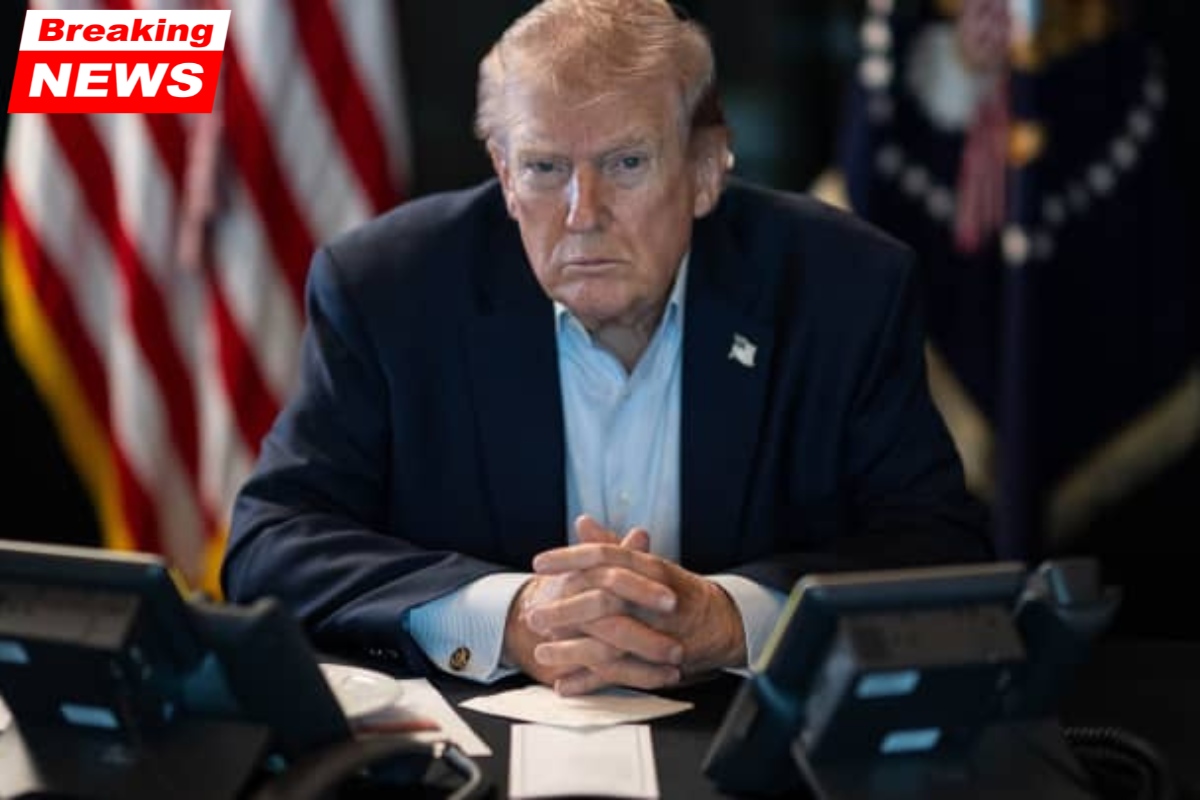
At a Mother’s Day event with military families, Trump said Iran wants to make a deal. He told reporters that the U.S. is dealing with people who want an agreement, but it must be satisfactory to America.
Oil Companies Visit the White House
Later in the Oval Office, Trump said the chairman of Exxon Mobil had visited the White House on Tuesday. He added that representatives from Chevron and other companies were also present.
Trump said they discussed Venezuela, an oil-rich South American country where the U.S. military intervened in early January by capturing President Nicolás Maduro. He said oil companies wanted to go to Venezuela and other places.
However, Trump did not say whether they discussed Iran or the Strait of Hormuz.
Iran Reviews the Proposal
Iranian Foreign Ministry spokesperson Esmaeil Baqaei said Tehran is still studying the proposal. He said Iran would send its response to mediators in Pakistan.
In an X post published after Trump’s Truth Social statement, Baqaei appeared to cite the International Court of Justice, writing, “The concept of ‘negotiations’ requires, at the very least, a genuine attempt to engage in discussions with a view to resolving the dispute (ICJ, Judgement of 1 April 2011, para. 157).”
“It needs ‘good faith’, then, meaning that ‘negotiations’ is not ‘disputation’; nor is it ‘dictation’, ‘deception’, ‘extortion’ or ‘coercion,'” Baqaei wrote.
His comments appeared to respond directly to Trump’s threat of stronger bombing.
Iran Looks to China for Support
Iranian Foreign Minister Abbas Araghchi met Chinese Foreign Minister Wang Yi on Wednesday. After the meeting, Araghchi said both sides reaffirmed Iran’s right to protect its national sovereignty and dignity.
He also said Iran trusts China and wants to strengthen its strategic partnership with Beijing. This shows that Iran is trying to keep strong international support while dealing with pressure from Washington.
Pakistan May Play Mediator
Before Trump’s post, a Pakistani government official told MS NOW that a proposal to end the war was very likely in the coming days.
Pakistan appears to be acting as an important channel between Washington and Tehran. Iran is also expected to send its response to mediators in Pakistan.
Ceasefire Remains Fragile
A ceasefire between the U.S. and Iran has been in place since April 7 to allow negotiations. But the pause in fighting has remained weak.
Earlier this week, Iran attacked U.S. forces helping commercial ships pass through the Strait of Hormuz. Iran also launched fresh attacks on the United Arab Emirates.
The U.S. said it sank six small Iranian boats that tried to interfere with commercial ships in the waterway.
U.S. Disables Iranian Oil Tanker
U.S. Central Command said on Wednesday that American forces disabled an Iran-flagged empty oil tanker. The tanker was reportedly trying to sail towards an Iranian port, which violated the ongoing U.S. blockade.
According to the U.S. military, the tanker was stopped after being hit with several cannon rounds.
Project Freedom Was Paused
Hope for a possible end to the conflict had already grown on Tuesday. Trump said he was pausing Project Freedom, a U.S. military operation meant to guide ships out of the Strait of Hormuz.
The operation had started only a day earlier. Trump said it was paused to see whether a peace deal could be completed.
He also wrote on Truth Social that “great progress” had been made towards a complete and final agreement with Iran.
The U.S.-Iran conflict is now at a critical point. There are clear signs that both sides may be moving towards a deal, but the situation is still risky.
Trump is using strong warnings to pressure Iran, while Tehran is asking for talks based on good faith and respect. The Strait of Hormuz, oil prices, sanctions, nuclear enrichment, and regional security are all tied to the outcome of these talks.
If the proposal succeeds, it could bring relief to global markets and reduce tension in the Middle East. But if it fails, the fragile ceasefire may break, and the conflict could become even more dangerous.