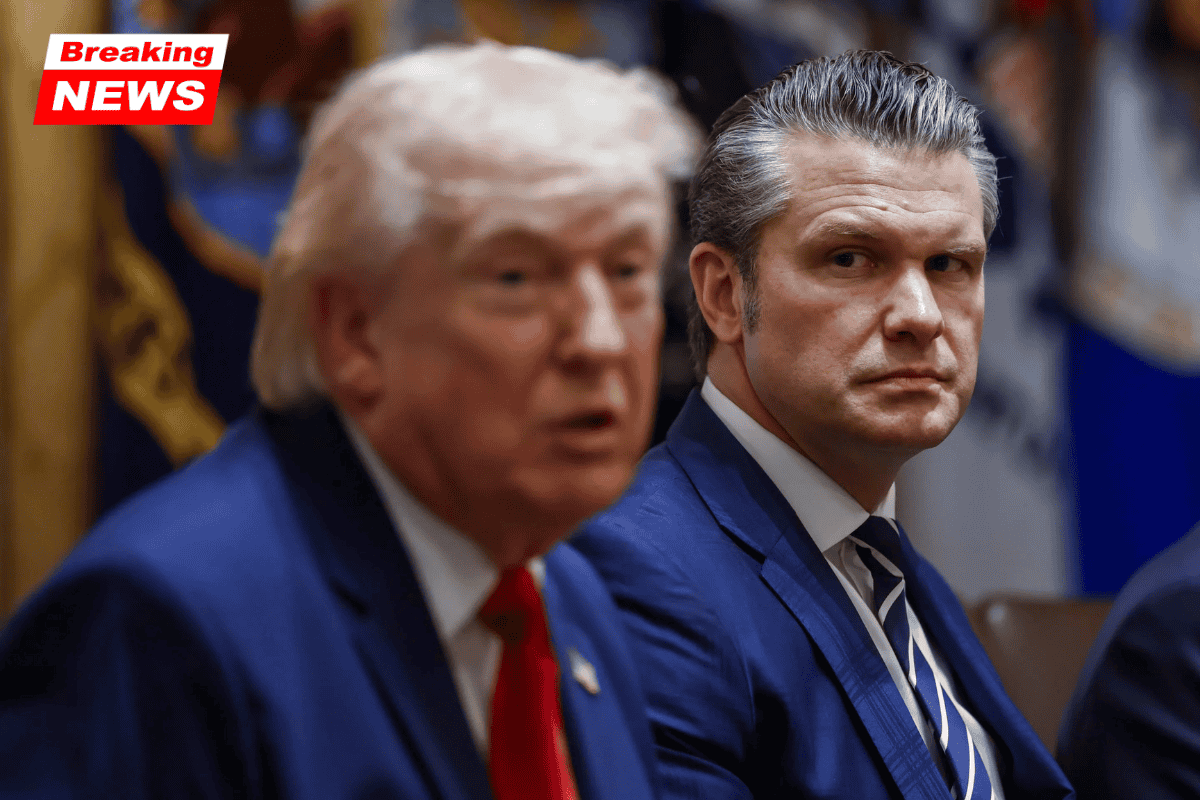
U.S. President Donald Trump has proposed a fiscal year 2027 budget that would raise total defense spending to $1.5 trillion. Economists say this could be one of the biggest military budget increases in modern U.S. history, drawing comparisons to the scale of spending during World War II.
The plan includes a $251 billion increase in base defense spending and another $350 billion through a reconciliation bill. At the same time, non-defense spending would be cut by only $73 billion.
According to the Committee for a Responsible Federal Budget, this could expand defense funding by more than $3.2 trillion over the next decade, adding to the national debt, which is already around $39 trillion.
Experts Raise Concerns
Economist Steve Hanke criticized the proposal, saying it goes against earlier promises to avoid foreign conflicts. He described the increase as a major shift toward militarization.
Kent Smetters noted that while the increase is massive, wartime spending in the 1940s was still higher when adjusted for today’s economy. However, he pointed out that moving funds through reconciliation could make future cuts more difficult.
Missing Details and Optimistic Assumptions
The budget does not clearly show its impact on deficits or debt levels. Maya MacGuineas called this lack of clarity “astonishing.” The White House estimates debt could fall to 94% of GDP by 2036, but only if the economy grows at an average of 3% per year, which some experts считают unrealistic.
War Costs and Political Pressure
The proposal comes during an ongoing U.S. military conflict with Iran, which has already cost tens of billions of dollars. Early estimates suggest $11.3 billion was spent in just the first six days, rising to as much as $45 billion within a month.
The war has also affected the economy. Gas prices have risen sharply, and stock markets have seen volatility. Public support appears to be weakening, including among Trump’s core voters.
Concerns Over Social Spending
At a recent event, Trump suggested that federal programs like Medicaid and Medicare might face cuts as resources shift toward military needs. This has raised concerns about the future of the U.S. social safety net.
“Plowshares into Swords” Moment
Hanke described the situation using a biblical reference, comparing it to a shift from peace to war-focused priorities. Critics say the U.S. may be moving toward a wartime-style economy without a clear long-term plan.
Fiscal Risks Ahead
Groups like Taxpayers for Common Sense warn that the budget could put the country on a risky financial path. Since 2025, the national debt has already increased by $2.8 trillion, with nearly $1 trillion spent annually just on interest payments.
Jerome Powell has also warned that the U.S. must control spending and ensure economic growth keeps pace with rising debt. Without action, experts fear serious financial consequences in the future.