The United States is experiencing a major shift in trade policy as businesses prepare to receive nearly $166 billion in tariff refunds. These refunds stem from tariffs imposed during the administration of Donald Trump, which were later ruled незакон lawful by the Supreme Court of the United States. This development is not just a financial event but a significant legal correction that impacts businesses, government authority, and the broader economy.
What Led to the Refund Decision
The turning point came when the Supreme Court ruled that the International Emergency Economic Powers Act did not give the president authority to impose tariffs. The Court clarified that tariff powers belong to Congress, not the executive branch.
Following this decision, lower courts ordered the government to reverse the tariffs and return the collected money with interest. As a result, more than 330,000 importers who paid duties on over 53 million shipments are now eligible for refunds, making this the largest tariff repayment in U.S. history.
How Businesses Can Claim Their Refunds
The refund process is being managed by U.S. Customs and Border Protection, which has introduced systems to handle the massive volume of claims. Businesses can submit their refund requests through the Automated Commercial Environment portal and a new tool called Consolidated Administration and Processing of Entries, or CAPE.
Importers must list the shipments for which they are seeking refunds, after which CBP will recalculate duties and issue payments. While most refunds are expected within 60 to 90 days, delays are likely due to the unprecedented number of claims and the need for manual processing in complex cases.
Understanding Tariffs and Their Role in Trade
Tariffs are taxes imposed on imported goods, typically used to generate revenue or protect domestic industries from foreign competition. In the United States, tariffs are governed by the Harmonized Tariff Schedule, which classifies products and sets duty rates.
Although Congress holds the main authority over tariffs, presidents have historically adjusted them under laws such as the Trade Expansion Act of 1962 and the Trade Act of 1974. However, this case makes it clear that those powers have limits.
Economic Ripple Effects of Tariffs
Tariffs can significantly influence the economy. On one hand, they can increase costs for businesses and consumers by raising the price of imported goods. On the other hand, they can benefit domestic producers by reducing foreign competition.
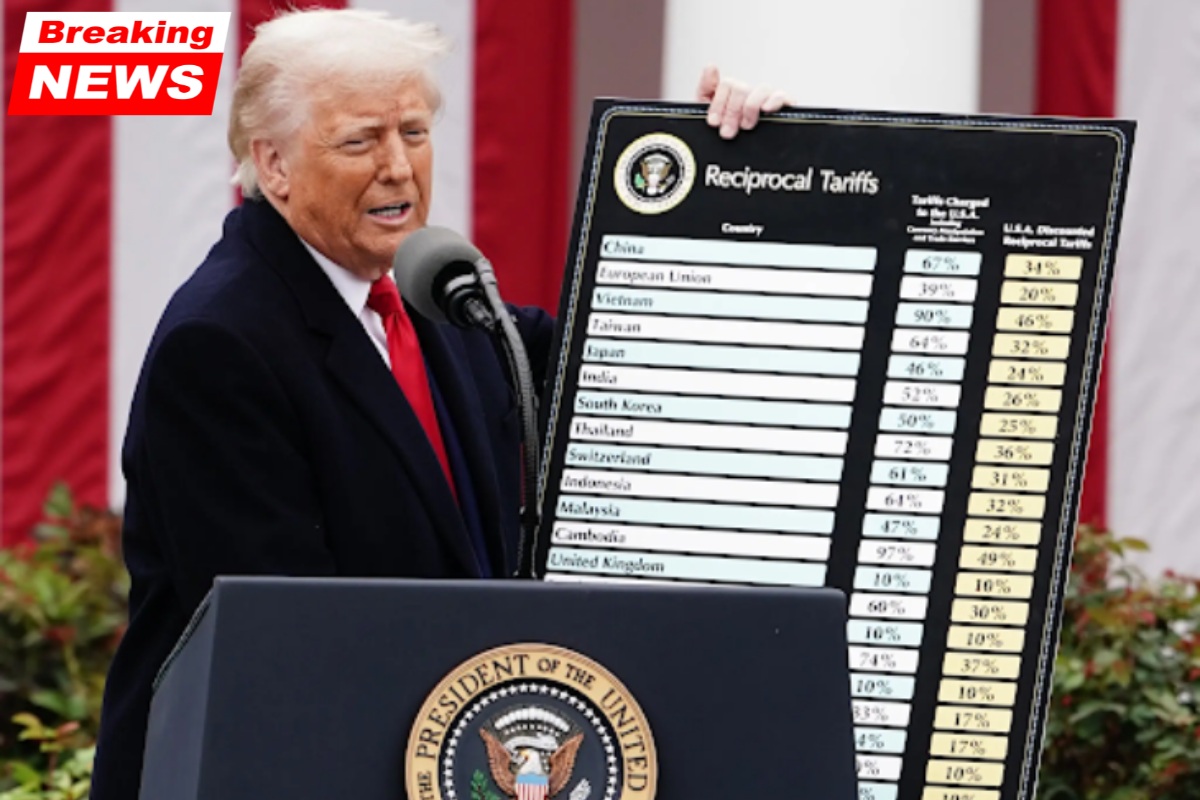
During the Trump administration, tariffs on goods such as steel, aluminum, and Chinese imports triggered retaliatory measures from global partners like the European Union and China. These actions led to trade tensions that affected global markets. The current refund process may help reverse some of those economic pressures by returning funds to businesses.
Why the Refund Matters for Businesses
For businesses that paid these tariffs, the refunds represent a major financial opportunity. The return of funds could improve cash flow, support expansion, enable hiring, or even lead to lower prices for consumers.
However, companies should be prepared for delays due to the complexity and volume of claims. Despite these challenges, the potential financial recovery makes it essential for eligible businesses to file their claims promptly and accurately.
A Landmark Ruling on Presidential Authority
This case is also significant because it reinforces the constitutional balance of power. The Supreme Court’s decision makes it clear that the president cannot bypass Congress when it comes to trade policy.
This ruling sets an important precedent for future administrations, ensuring that emergency powers are not used beyond their intended scope. It strengthens the role of Congress and reaffirms the importance of checks and balances in government.
Key Facts Summary
| Category | Details |
|---|---|
| Total Refund | $166 billion |
| Affected Importers | 330,000+ |
| Shipments | 53 million+ |
| Legal Trigger | Supreme Court ruling |
| Invalid Law Used | International Emergency Economic Powers Act |
| Refund System | ACE + CAPE |
| Timeline | 60–90 days (typical cases) |
| Main Agency | U.S. Customs and Border Protection |
| Economic Impact | Potential business and consumer relief |
The $166 billion tariff refund marks a historic moment in both U.S. trade policy and constitutional law. What began as a controversial economic strategy has ended in one of the largest financial reversals ever ordered by the courts.
For businesses, the refunds offer a chance to recover significant costs and potentially reinvest in growth. For policymakers, the ruling draws a clear boundary around presidential authority, reinforcing Congress’s central role in trade decisions.
In the end, this development is not just about money. It’s about how power is exercised, challenged, and ultimately defined within the U.S. government.