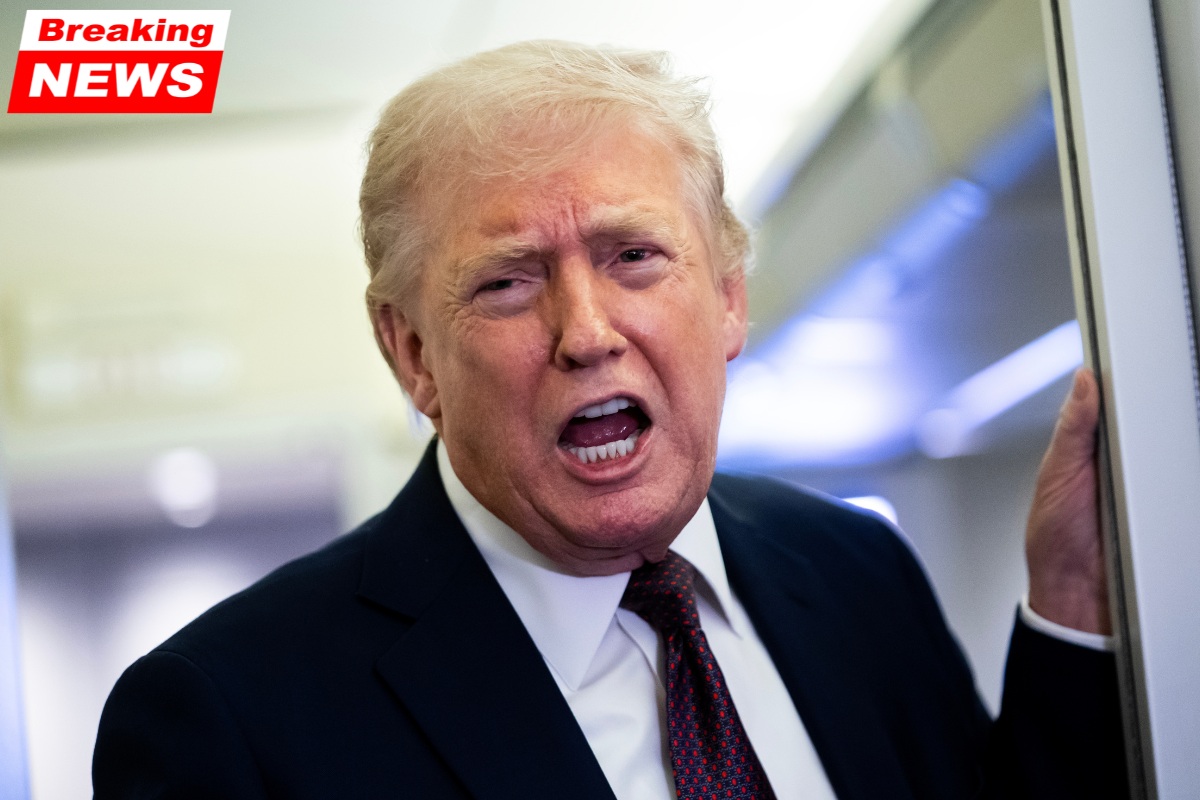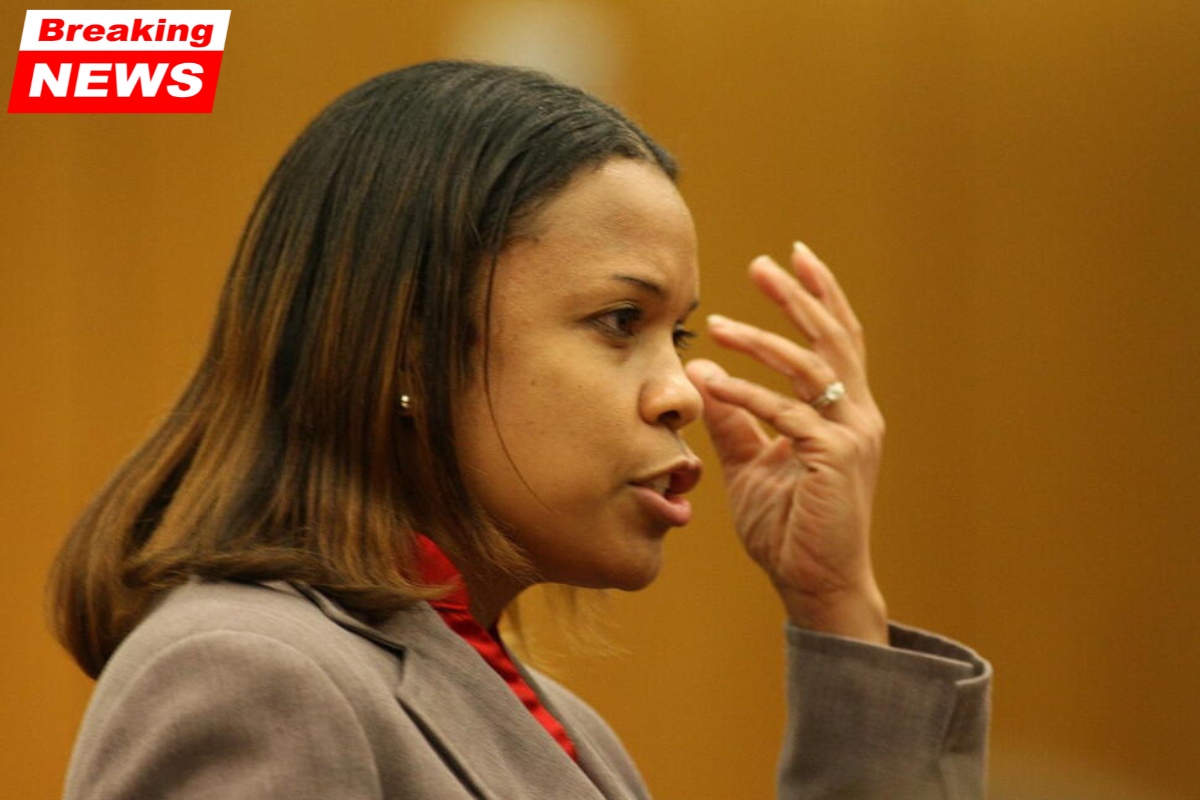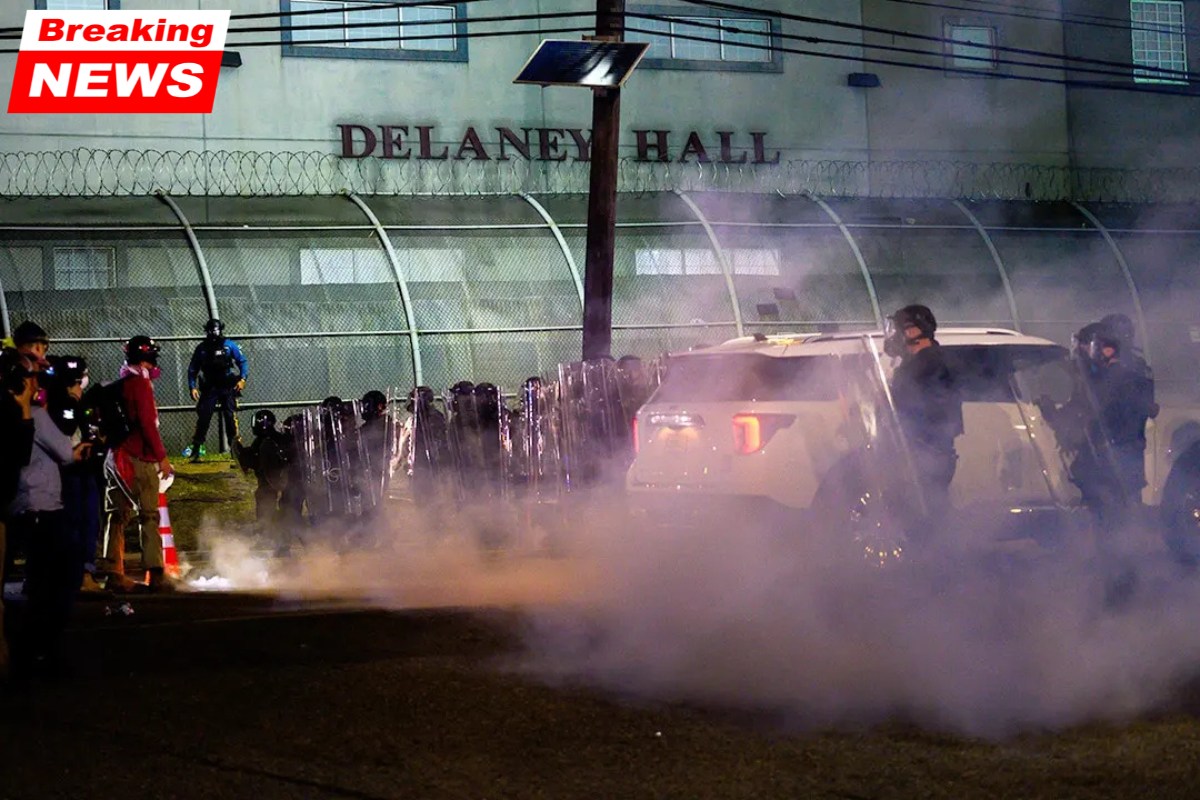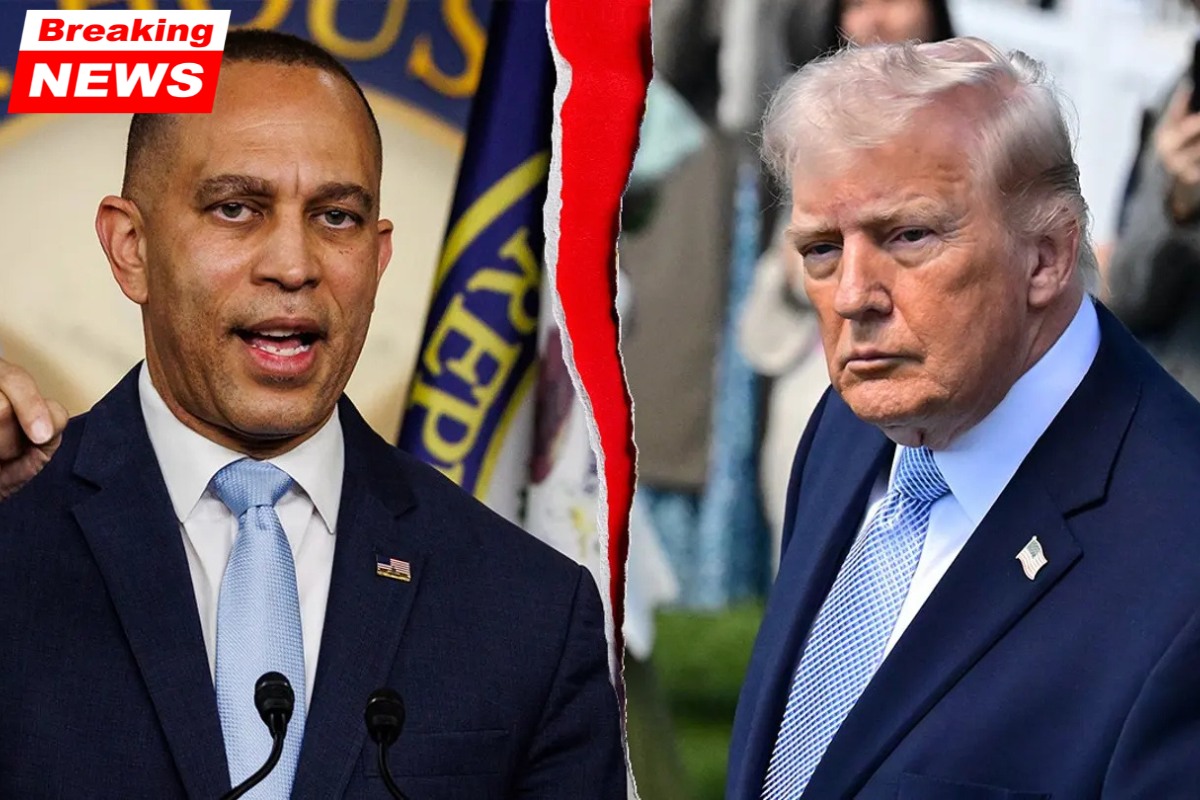
President Donald Trump has escalated his feud with House Minority Leader Hakeem Jeffries, D-N.Y., accusing him of inciting an assassination attempt against him.
Trump made these remarks following an incident at the White House Correspondents’ Association Dinner in April, where an alleged assassin, Cole Allen, attempted to breach a Secret Service checkpoint.
Trump linked Jeffries’ “maximum warfare” rhetoric to the assassination scare and suggested that Jeffries should be arrested for inciting violence.
Trump’s Accusations on Social Media
Trump shared a post on Truth Social on Thursday, claiming that Jeffries’ comments incited violence against Republicans. He referred to Jeffries as a “lunatic” and urged his followers to consider whether the top Democrat should face charges for inciting violence.
Trump included images of Jeffries holding a sign that said “maximum warfare,” with pictures of Trump and his aide, James Blair, alongside a photo of the alleged assassin attempting to storm the checkpoint.
Trump’s post questioned if Jeffries should be charged with inciting violence, amplifying the ongoing political tension between the two figures.
Jeffries Responds to Trump’s Remarks
In response, Jeffries’ spokesperson referred Fox News Digital to a post from Jeffries on X (formerly Twitter), where he dismissed Trump’s comments as a “deranged rant.”
The spokesperson pointed out the contrast between Trump’s claims and the everyday struggles of American families, including high gas prices and rising grocery bills.
Jeffries also predicted that Democrats would soon take back the House, further escalating the back-and-forth between the two.
Defending ‘Maximum Warfare’ Language
This online skirmish follows an earlier dispute in April when Jeffries defended his use of the phrase “maximum warfare” in reference to the redistricting battle, which had drawn backlash from Republicans.
Jeffries explained that the phrase originated from an anonymous White House staffer in 2025 and was initially used to describe threats related to GOP-friendly gerrymandering. He expressed frustration at Republican criticism, stating, “I don’t give a damn about your criticism.”
Despite the controversy, Jeffries has consistently defended his language and maintained that he opposes all forms of political violence. He also rejected calls to walk back his fiery rhetoric, arguing that Democrats were simply determined to finish what they started.
Jeffries on Political Violence
Jeffries has repeatedly stated that he opposes all forms of political violence. He argued that political leaders should set an example through their rhetoric, aiming to promote unity and avoid inflaming tensions.
In an interview with “Fox News Sunday,” Jeffries stressed that, regardless of ideological differences, all lawmakers should focus on making the country the best it can be, underlining the importance of responsible discourse in a time of rising political violence.
The dispute between Trump and Jeffries continues to heat up, with both figures trading barbs over the language used in political rhetoric and its potential impact on violence.
Trump’s accusations and Jeffries’ defense of his language highlight the growing tension in American politics, as leaders continue to grapple with the consequences of fiery political discourse.
While Jeffries maintains that he opposes political violence, his refusal to walk back his rhetoric shows the deepening divide between the two sides of the political spectrum.