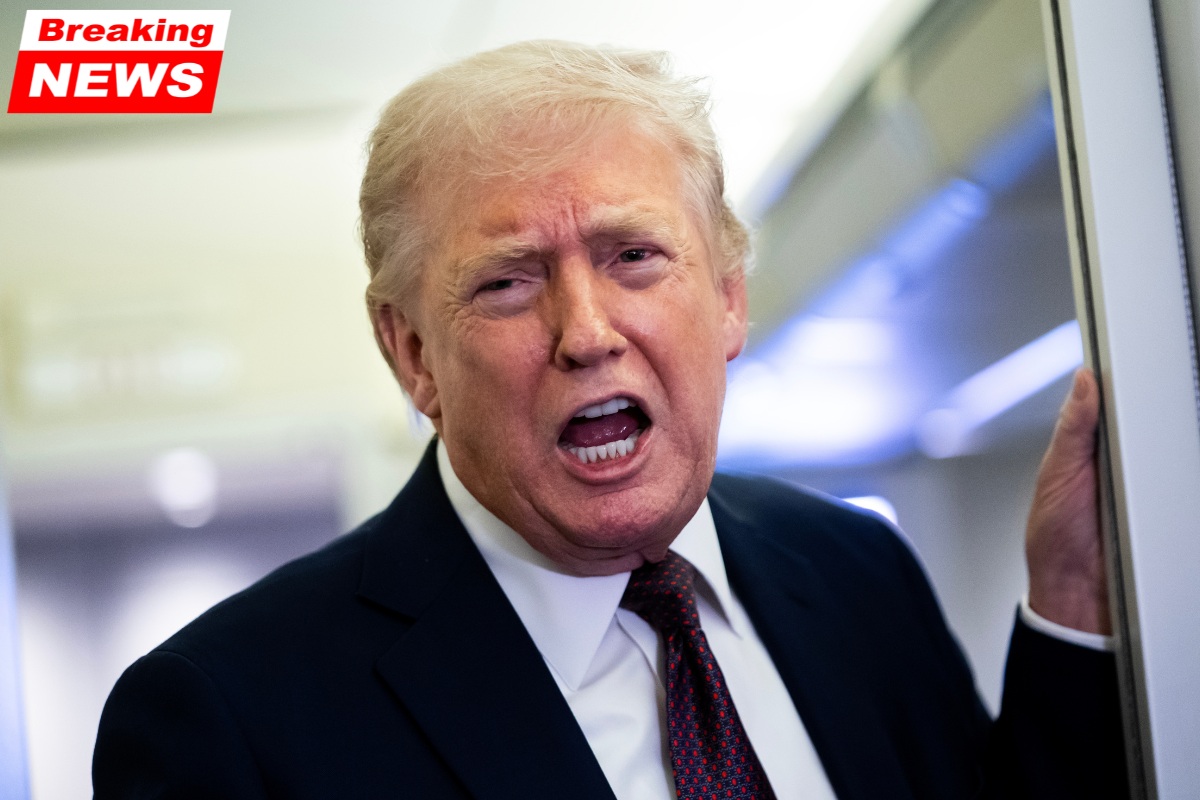
President Donald Trump announced on Saturday that he had canceled plans to send U.S. special envoy Steve Witkoff and his son-in-law, Jared Kushner, to Pakistan after Iran’s chief negotiator, Abbas Araghchi, left Islamabad without meeting with U.S. officials.
The cancellation of the U.S. delegation’s trip marks a significant setback in diplomatic efforts to resolve tensions in the region, particularly surrounding Iran and its involvement in the Strait of Hormuz.
Details of the Cancellation and Diplomatic Tensions
Trump took to Truth Social to explain the decision, expressing frustration with the situation. “Too much time wasted on traveling, too much work! Besides which, there is tremendous infighting and confusion within their ‘leadership,'” he wrote. Trump also emphasized that the U.S. held significant leverage, stating, “Nobody knows who is in charge, including them. Also, we have all the cards; they have none! If they want to talk, all they have to do is call!!!”
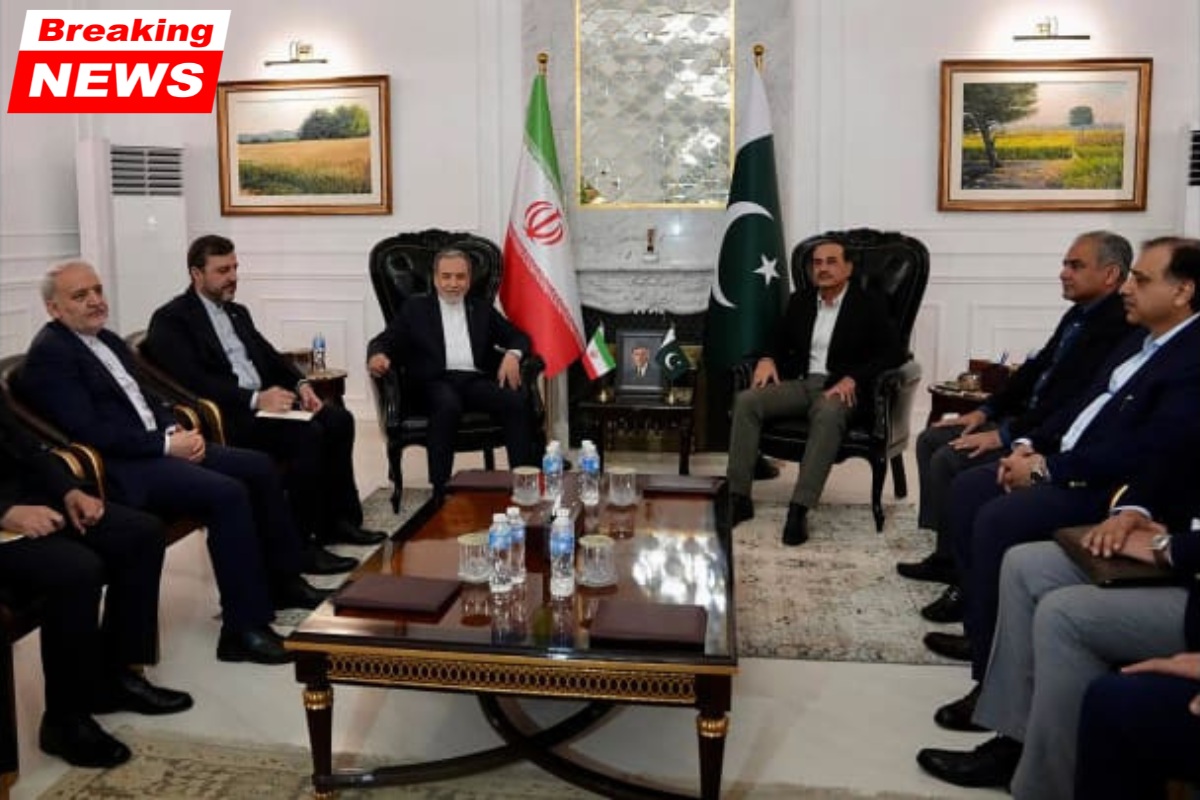
This move comes after Iranian Foreign Minister Abbas Araghchi’s visit to Pakistan, which was initially expected to include talks with U.S. representatives. Araghchi, however, only met with Pakistani officials and did not engage with the U.S. negotiators. A senior Iranian official confirmed that no meeting was planned between the U.S. and Iran, with Iran’s observations being conveyed to Pakistan instead.
The Failed Effort and Iranian Remarks
While in Pakistan, Araghchi praised the country’s efforts to mediate and bring peace to the region. He took to social media to thank Pakistani leaders, stating, “Very fruitful visit to Pakistan, whose good offices and brotherly efforts to bring back peace to our region we very much value.”
He also noted that Iran had shared its position on a workable framework to end the conflict, adding, “Have yet to see if the U.S. is truly serious about diplomacy.”
Trump had earlier indicated that Iran would be making an offer to resolve the conflict, although he expressed uncertainty about the details of the proposal. “We’ll have to see,” Trump told Reuters earlier in the week.
Ongoing Tensions Over Strait of Hormuz and U.S. Sanctions
A major point of contention between the U.S. and Iran has been the situation in the Strait of Hormuz, a key oil-shipping route. Traffic in the Strait has been severely impacted due to Iranian threats and retaliatory U.S. actions, including a naval blockade. President Trump has made it clear that the U.S. will not lift its blockade of Iranian ports until a formal deal is reached.
In addition to the blockade, the U.S. has been applying various economic pressures on Iran. U.S. Treasury Secretary Scott Bessent announced that the U.S. would not renew a one-time waiver allowing the purchase of Iranian oil at sea. The U.S. has also sanctioned Hengli Petrochemical (Dalian) Refinery in China for purchasing Iranian oil products, which continue to sustain Iran’s oil economy.
The Ceasefire and Continued Tensions
Despite the escalating tensions, the U.S. has extended a ceasefire agreement that was originally announced on April 7, which was due to expire. President Trump unilaterally extended the ceasefire shortly before its expiration, but the fragile ceasefire continues to be strained by the ongoing conflict and the uncertainty surrounding diplomatic negotiations.
In a recent briefing, Defense Secretary Pete Hegseth defended the ongoing U.S. operations, stating, “Unlike the endless wars of the past that dragged on for years and for decades with little to show for it, Operation Epic Fury has delivered a decisive military result in just weeks.” Despite these assertions, the timeline for resolution remains unclear, and tensions in the region continue to simmer.
Table: Key Details of the Incident
| Detail | Information |
|---|---|
| U.S. Delegation | Steve Witkoff, Jared Kushner |
| Incident Date | Saturday, April 23, 2026 |
| Location | Islamabad, Pakistan |
| Key Figures | Iranian Foreign Minister Abbas Araghchi |
| U.S. Position | President Trump canceled the U.S. delegation’s trip to Pakistan |
| Iranian Position | No planned meeting with U.S. officials, praised Pakistani mediation efforts |
| U.S. Actions | No renewal of Iranian oil purchase waiver, sanctions on Chinese refinery |
| Major Disagreement | Strait of Hormuz, U.S. naval blockade, Iranian oil exports |
The cancellation of the U.S. delegation’s trip to Pakistan and the ongoing failure to reach a diplomatic breakthrough with Iran highlight the significant challenges faced in resolving tensions in the Middle East. With both sides holding firm on key issues such as the Strait of Hormuz and the future of Iranian oil exports, the conflict remains unresolved.
The situation continues to evolve, and both the U.S. and Iran will likely continue to engage in a complex and tense diplomatic standoff in the coming weeks.