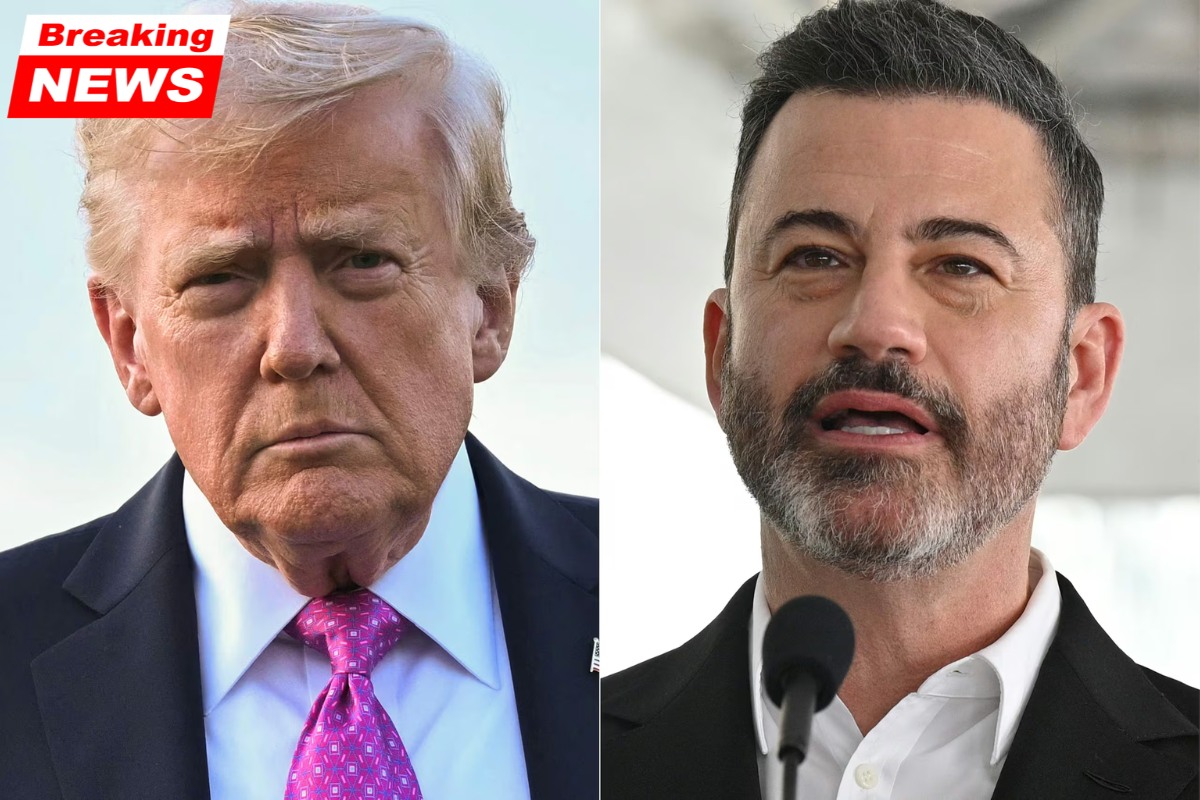
A major clash between media, regulators, and political leaders has intensified after a rare federal action targeting television licenses linked to ABC. The situation comes just days after controversy involving late-night host Jimmy Kimmel and public criticism from top political figures.
FCC orders early review of ABC station licenses
The Federal Communications Commission has ordered an accelerated review of licenses held by ABC-owned television stations.
This includes major outlets like WABC-TV in New York and KABC-TV in Los Angeles. Normally, these licenses were not due for renewal until between 2028 and 2031, making this move highly unusual and drawing national attention.
Disney responds to regulatory action
Parent company The Walt Disney Company confirmed it had received the FCC order and stated it would respond through legal channels.
The company said ABC has a long-standing record of following FCC rules and providing reliable news, emergency updates, and public-interest programming.
Disney also expressed confidence that its track record meets the requirements under the Communications Act and the First Amendment, and said it will defend its position accordingly.
Political pressure linked to Jimmy Kimmel controversy
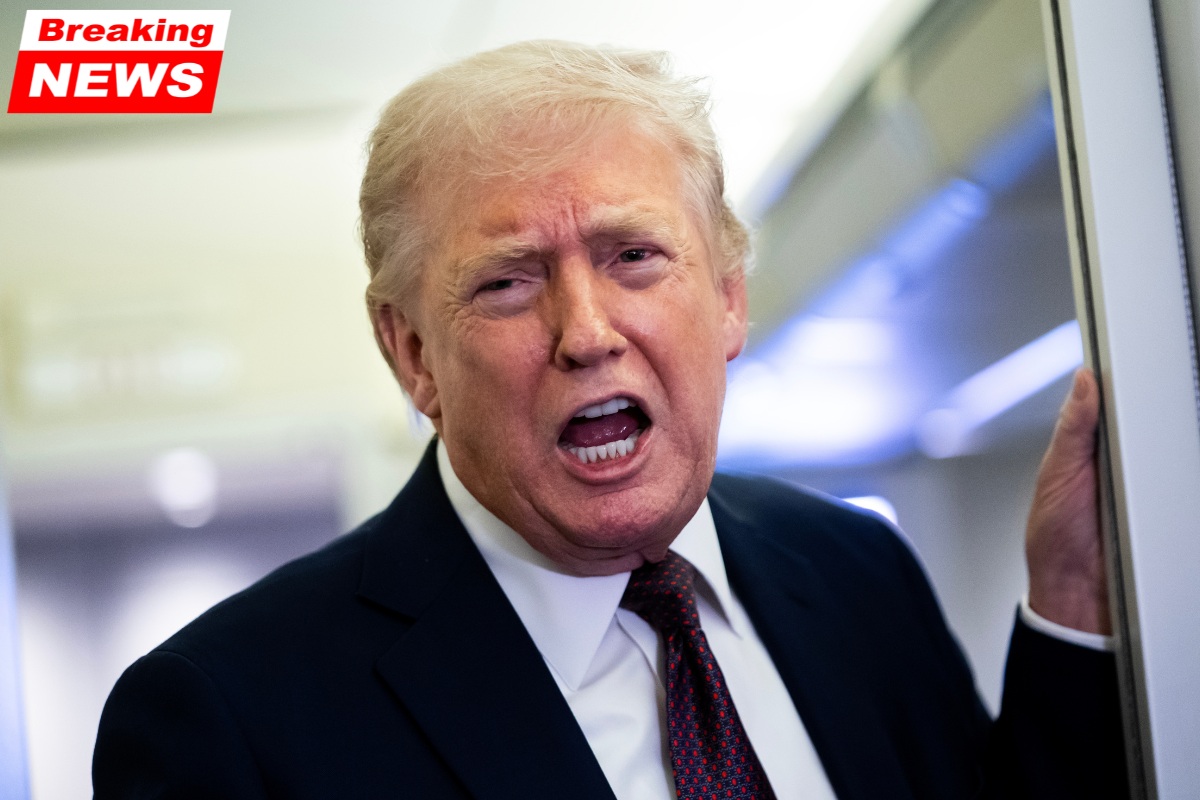
The FCC’s move comes shortly after criticism from Donald Trump and Melania Trump over a joke made by Jimmy Kimmel during his April 23 monologue.
Kimmel’s remark about Melania Trump sparked backlash, with both calling for his removal from ABC. Kimmel later defended the joke as a light roast and denied that it promoted violence.
Connection to White House dinner incident
The controversy was further intensified by the events at the White House Correspondents’ Dinner, which was later suspended after a security scare.
Authorities arrested Cole Allen near the venue, where he was reportedly carrying multiple weapons. The timing of the incident added to the already heated environment surrounding Kimmel’s comments.
Previous suspension of Jimmy Kimmel
This is not the first time Jimmy Kimmel has faced consequences over his remarks. In September 2025, he was briefly suspended after comments related to the killing of Charlie Kirk caused backlash.
During that period, several ABC affiliates refused to air his show, and criticism also came from FCC Chairman Brendan Carr. Although the suspension was short, it highlighted growing tensions between media content, political reactions, and regulatory oversight.
FCC cites separate investigation
The FCC has stated that the early license review is part of a broader investigation into Disney’s diversity, equity, and inclusion practices. According to reports, officials are examining whether there have been any violations of the Communications Act, including rules related to unlawful discrimination.
Debate over political motives
Despite the FCC’s explanation, critics argue that the timing of the review raises concerns about political influence. Anna Gomez and free speech advocates have pointed out that television broadcast licenses have not been revoked in more than 40 years. This has led to questions about whether the action is purely regulatory or influenced by recent political tensions.
The situation involving Disney, ABC, and the FCC reflects a complex mix of media regulation, political pressure, and free speech concerns. What began as a controversy over a late-night joke has now expanded into a larger debate about government oversight and the independence of broadcast media.
As legal proceedings and regulatory reviews move forward, the outcome could have lasting implications for how media companies operate and how political influence interacts with federal agencies in the United States.