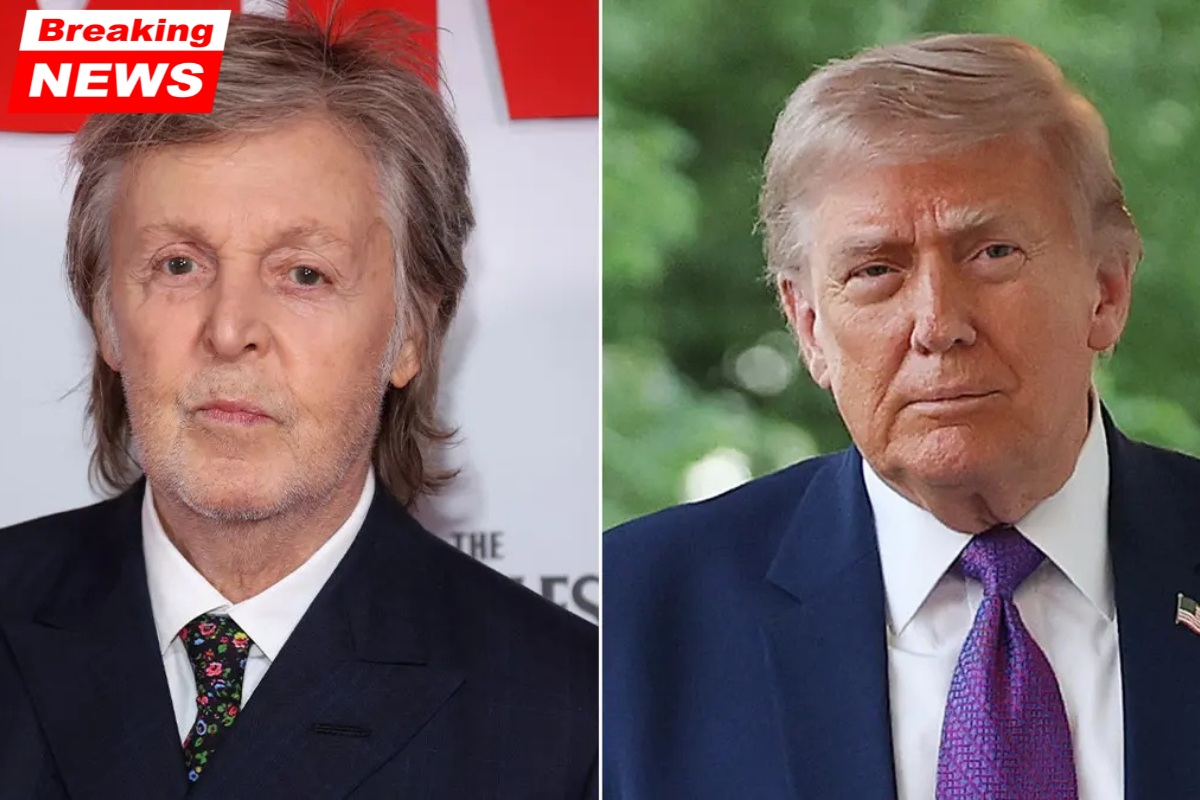
Paul McCartney, the legendary musician and former member of the Beatles, recently spoke about the profound impact his music has on audiences. During an appearance on the The Rest Is Entertainment podcast, McCartney, 83, emphasized how classic songs like Hey Jude can bridge political divides.
“Particularly these days, you do something like ‘Hey Jude’ and you see this whole audience singing together,” McCartney said regarding a recent Los Angeles performance. He highlighted that in the politically charged environment of modern America, audiences of differing political views momentarily set aside their differences to share in the joy of music. McCartney added, “Suddenly this room has forgotten all of that, and it’s not, you know, going to argue with each other, they’re just going to sing together… those kinds of things are valuable”.
This perspective underscores McCartney’s belief that music holds a unique power to unify people. Songs like Hey Jude are not just entertainment; they create communal experiences that transcend political affiliation.
Rock Stars and Political Commentary
McCartney is not alone among musicians in addressing politics and societal division. Iconic rock artist Bruce Springsteen has also been vocal about political issues in the United States. Recently, following the White House Correspondents’ Association Dinner shooting, Springsteen offered prayers for the safety of all involved and condemned political violence.
Springsteen told audiences at the Moody Center in Austin, Texas, “We can disagree. We can be critical of those in power, and we can peacefully fight for our beliefs. But there is no place in any way, shape, or form for political violence of any kind in our beloved United States.” His statements reflect a broader commitment to promoting dialogue and unity rather than conflict.
Springsteen’s Tour and Political Messaging
Springsteen’s “Land of Hope and Dreams American Tour,” which began in March, has incorporated political messaging alongside musical performances. The tour coincided with the release of his protest song Streets of Minneapolis, criticizing the Trump administration’s handling of federal immigration enforcement in Minnesota.
At a recent show in Newark, New Jersey, Springsteen urged fans to embrace values like hope, democracy, ethics, and unity over fear, corruption, and division. He emphasized, “Choosing hope over fear, democracy over authoritarianism, the rule of law over lawlessness, ethics over unbridled corruption, resistance over complacency, truth over lies, unity over division and peace over war”.
This demonstrates how artists are leveraging their platforms to address contemporary political issues while simultaneously connecting with audiences through music.
Table: Key Takeaways from McCartney and Springsteen on Music and Politics
| Artist | Key Message | Recent Actions/Examples |
|---|---|---|
| Paul McCartney | Music unites people beyond political divisions | Hey Jude performance in Los Angeles, audience singing together regardless of political views |
| Bruce Springsteen | Political engagement through music and public statements | “Land of Hope and Dreams” tour, Streets of Minneapolis, speeches condemning political violence |
| Both Artists | Promote unity, ethics, and hope through music | Public performances, interviews, and advocacy for peaceful political dialogue |
Both Paul McCartney and Bruce Springsteen exemplify the enduring influence of music in shaping society and fostering unity. McCartney highlights how timeless songs can momentarily bridge partisan divides, while Springsteen actively uses his platform to challenge political violence and inspire civic engagement. Together, their work shows that music is more than entertainment—it is a powerful tool for community, hope, and social cohesion.