In recent reporting, classified U.S. intelligence has raised alarms about Cuba’s acquisition of military drones and the potential of those drones being considered for offensive use against U.S. targets. The developments have added tension to already strained relations between Havana and Washington amid a deepening economic and political crisis on the island.
Overview of the Reported Threat
According to reporting from Axios based on classified U.S. intelligence, Cuba has reportedly acquired more than 300 military attack drones from Russia and Iran since 2023. These drones are allegedly stored at strategic locations across the island and discussions among Cuban military officials about how they might be used have taken place.
Potential targets cited in the intelligence include:
- Guantanamo Bay U.S. Naval Base
- U.S. military vessels
- Key West, Florida, approximately 90 miles north of Havana
A senior U.S. official reportedly said the intelligence “could become a pretext for U.S. military action” should the Trump administration determine the presence of these drones, along with Iranian military advisers, represents a sufficient threat.
U.S. Government Response
In response to the intelligence, CIA Director John Ratcliffe visited Havana to deliver a warning to Cuban officials against engaging in hostilities and to stress that Cuba should no longer serve as a strategic platform for adversaries in the Western Hemisphere.
Meanwhile, U.S. officials have not publicly confirmed the accuracy of the intelligence nor has Reuters independently verified it; however, Washington’s national security apparatus is treating the report seriously as part of its broader monitoring of regional threats.
Cuban Government Reaction
The Cuban government has denied plans to attack U.S. targets and accused the United States of fabricating the threat as a justification for escalating sanctions or potential military intervention. Cuban Foreign Minister Bruno Rodríguez called the U.S. narrative “a fraudulent case” and emphasized Cuba’s right to self‑defense under international law.
Context: Protests and Internal Challenges in Cuba
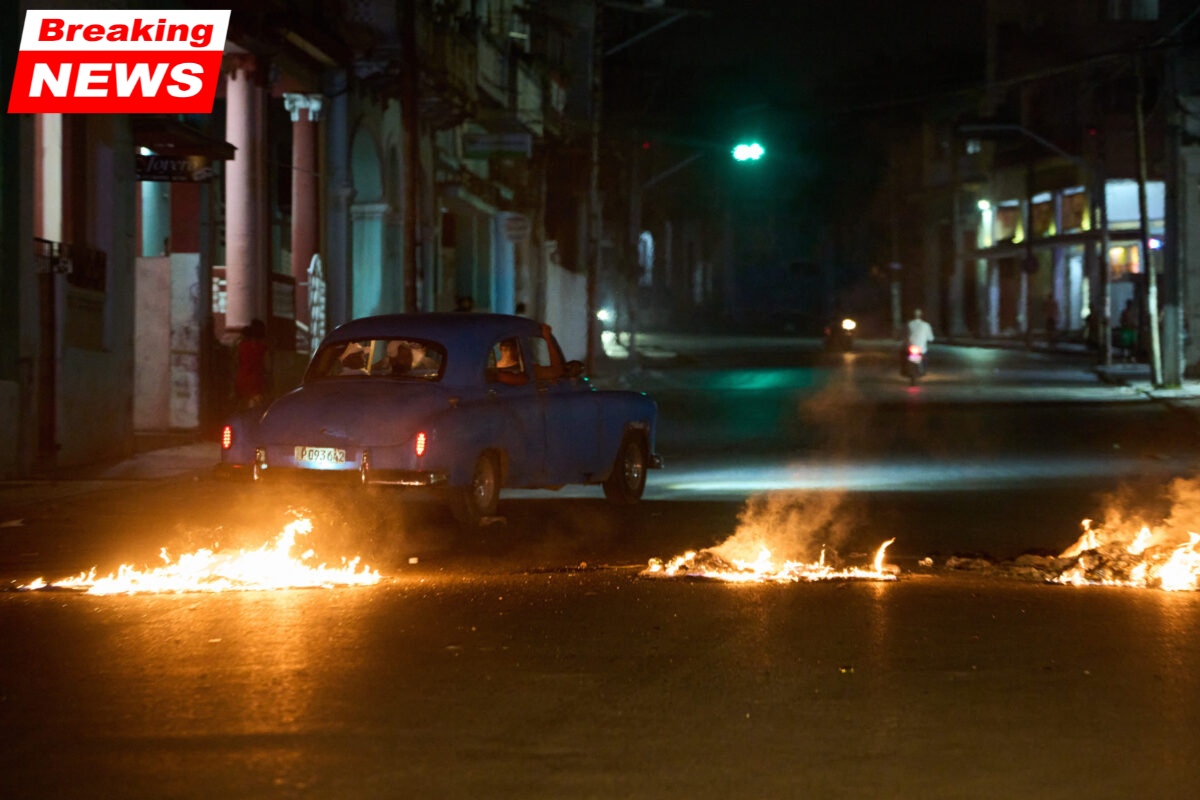
Cuba is simultaneously experiencing a severe energy crisis, in part due to long‑standing U.S. oil blockades. The result has been prolonged power outages and widespread protests, particularly in Havana, where residents have barricaded streets in response to deteriorating living conditions.
This backdrop of economic strain and public unrest has amplified the significance of the drone intelligence within U.S. policy discussions, including speculation in U.S. media about possible indictments against former Cuban president Raúl Castro related to historical incidents like the 1996 shootdown of civilian planes.
Table: Key Elements of the Cuba Drone Report
| Aspect | Details |
|---|---|
| Number of Drones Acquired (Reported) | More than 300 military drones from Russia and Iran |
| Reported Targets in Discussions | Guantanamo Bay, U.S. military vessels, Key West, Florida |
| Government Responses | U.S. officials concerned; Cuba denies offensive intentions |
| Key U.S. Action | CIA Director visited Cuba to warn against “hostilities” |
| Broader Context | U.S. sanctions, energy crisis, protests in Havana |
Implications for U.S.–Cuba Relations
The reporting has several implications:
- Heightened U.S. national security focus on drone warfare capabilities near U.S. territory.
- Potential diplomatic fallout if Cuba’s denials escalate mistrust.
- Reinforcement of existing U.S. policy pressures, including sanctions and legal actions.
While the U.S. intelligence describes internal Cuban military discussions, key American officials have noted that there is no confirmed plan for an actual attack and that the drone threat represents a broader security concern rather than an imminent offensive strike.
Recent reports alleging Cuba’s acquisition of a significant arsenal of military drones and the discussions around potential use mark a notable point of tension in U.S.–Cuba relations.
While the intelligence remains unverified by independent sources, the U.S. government is treating the information seriously amid ongoing political and economic pressures in Cuba. The Cuban government has rejected these claims as fabricated, framing them as pretexts for further sanctions or military action.
Regardless, the episode has intensified scrutiny of the Cuban government’s military posture, the role of foreign partners like Russia and Iran, and the broader strategic dynamics between Washington and Havana.