
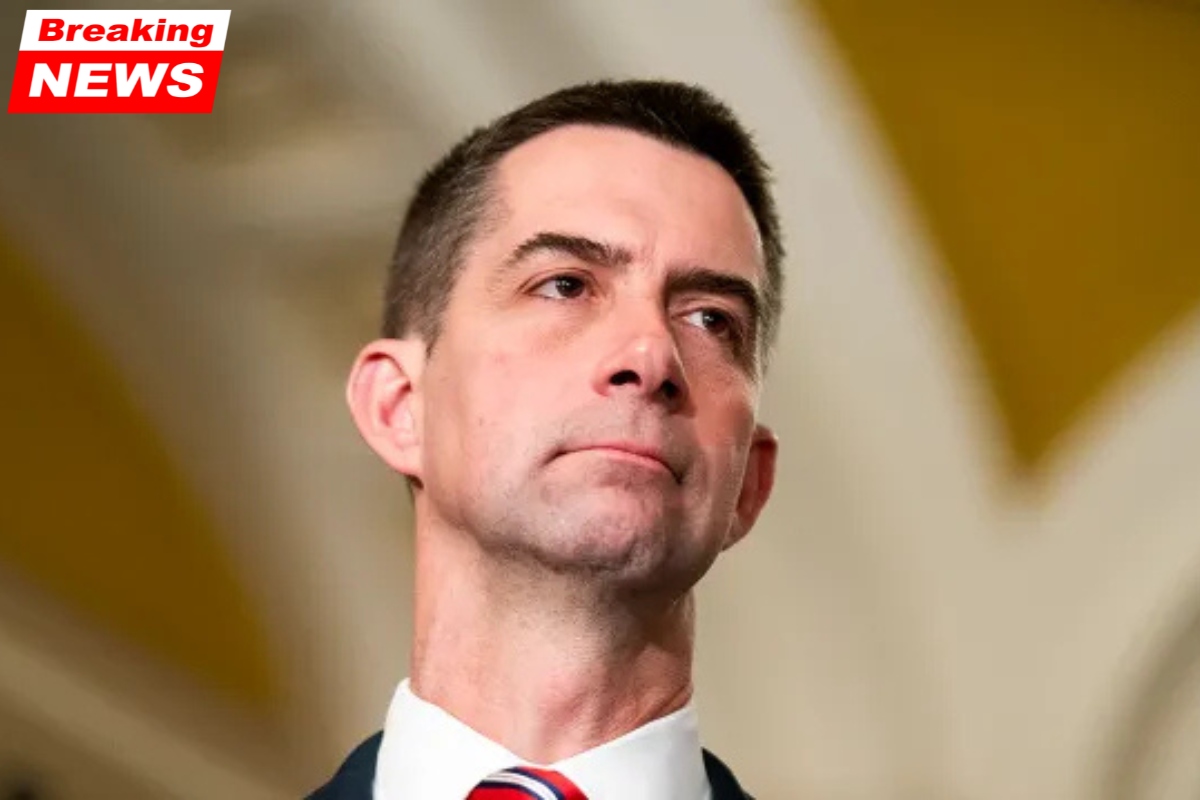
Tom Cotton is pushing back against a major federal policy shift after the Department of Justice moved to downgrade marijuana to a less restrictive drug classification.
Speaking on the social platform X, Cotton argued the change could have serious consequences, warning that modern marijuana is more potent than in past decades and may contribute to increased psychosis, antisocial behavior, and fatal crashes.
“Arkansans don’t want more dangerous drugs obtained more easily,” he said, calling the decision “a step in the wrong direction.”
DOJ Reclassifies Marijuana From Schedule I to Schedule III
The move was formally approved by Todd Blanche, who signed an order reclassifying marijuana from Schedule I — the strictest category under federal law — to Schedule III.
This shift means marijuana is now considered to have recognized medical uses and a lower potential for abuse compared to Schedule I substances.
However, the change does not legalize marijuana federally.
What the Reclassification Means
The updated classification impacts roughly 40 states that have already approved medical marijuana use.
Key effects include:
- Expanded access for medical research
- Permission for researchers to purchase cannabis from licensed dispensaries
- Significant tax relief for medical marijuana businesses
The move is seen as a step toward aligning federal policy with existing state laws, though it stops short of full legalization.
Mixed Reactions From Policy Advocates
The decision has sparked strong reactions on both sides of the debate.
Kevin Sabet criticized the move sharply, calling it a dangerous shift in national drug policy.
He argued that policy is being influenced by industry leaders and warned it represents a major departure from public health priorities.
Supporters Call It a ‘Historic Step’
On the other hand, Adam J. Smith welcomed the change, describing it as a “historic move toward sanity in cannabis policy.”
He said the decision could:
- Encourage more medical research
- Improve patient access to regulated cannabis
- Address tax burdens on the legal industry
However, Smith also noted the move does not go far enough, pointing out it does not address ongoing arrests for possession or resolve conflicts between federal law and state legalization.
Push for Full Federal Reform Continues
Smith and other advocates argue that marijuana should be treated similarly to alcohol, meaning it should be fully removed from federal controlled substance schedules.
They say reclassification is progress, but not a complete solution to the broader legal and policy inconsistencies.
Trump Administration Defends the Decision
The DOJ’s action follows an executive order from Donald Trump, signed in December, directing officials to speed up marijuana reclassification.
White House spokesperson Kush Desai defended the move, saying it supports scientific research and medical advancement.
He added that the administration is focused on a “science-based approach” to health policy, particularly to benefit veterans and patients.
The DOJ’s decision to reclassify marijuana marks a significant shift in federal drug policy, but it has also exposed deep divisions over how cannabis should be regulated in the United States.
While supporters see it as long-overdue progress, critics warn it could increase risks and send the wrong message. For now, the move represents a middle ground — expanding research and easing restrictions without fully resolving the broader debate over legalization.






