A surprising case from Oregon has highlighted the risks of blindly trusting artificial intelligence in professional work. A lawyer has been fined heavily after submitting a legal document filled with fake case references created by AI tools. The incident has raised serious concerns about responsibility and accuracy in the legal profession.
Lawyer Fined for Using Fake AI-Generated Citations
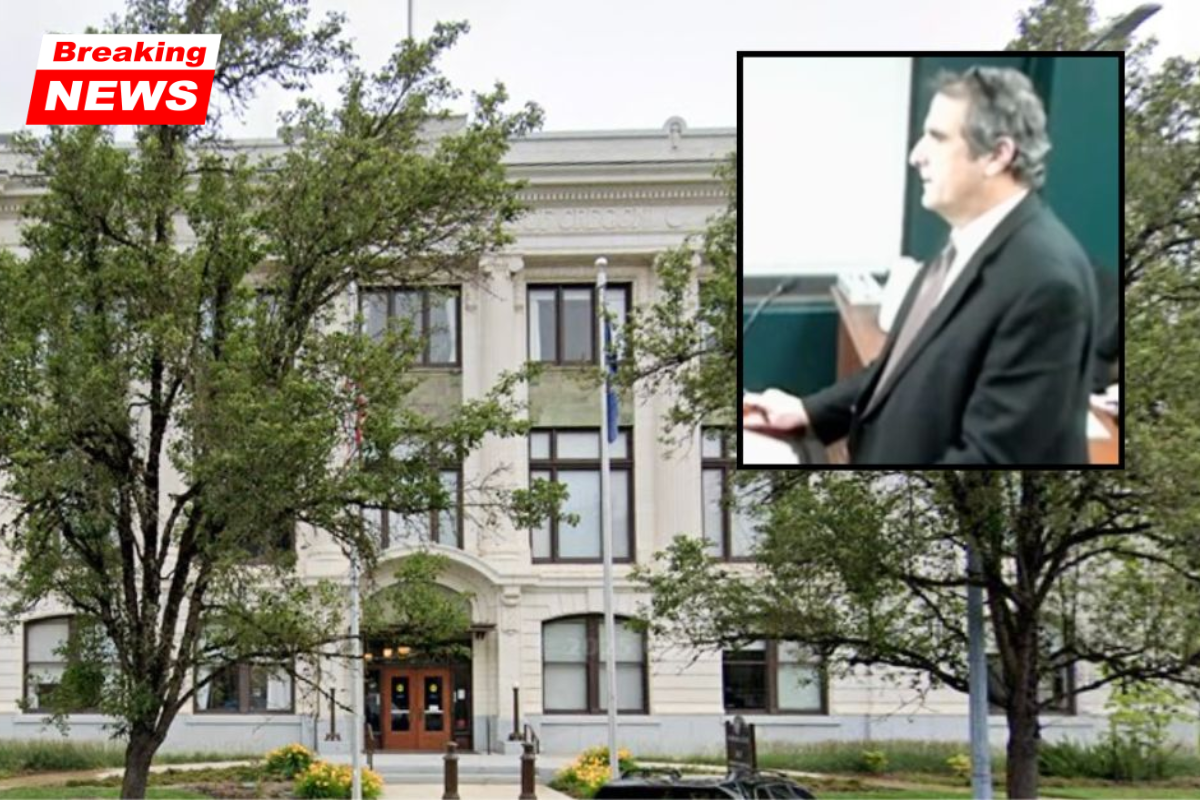
Bill Ghiorso, a lawyer based in Salem, has been ordered to pay a $10,000 fine by the Oregon Court of Appeals.
The penalty was given after he submitted a legal brief that included multiple fake legal references. According to the court, the document had:
- At least 15 fake case citations
- Around 9 quotations that do not exist
The court described the filing as “unchecked and fabricated,” which is a serious violation in legal practice.
What Went Wrong in the Case
The issue came up in a case known as Doiban v. OLCC. This case involved a dispute with the Oregon Liquor and Cannabis Commission over a cancelled marijuana production license.
Ghiorso had filed the opening legal brief in November 2024. Later, it was discovered that many references in the document were not real.
Blaming Technology and Staff
Ghiorso explained that his office relied on online tools like search engines to prepare the document. He said his law clerk used these tools, which led to incorrect information being included.
However, the judges were not convinced. Presiding judge Scott Shorr pointed out that the responsibility lies with the lawyer whose name is on the document.
The court made it clear that even if technology is used, the final responsibility to check accuracy belongs to the attorney.
Delay in Correcting Mistakes
The errors were first pointed out in April 2025 by lawyers from the opposing side. Despite being informed, Ghiorso did not fix the mistakes for several months.
The court noted that:
- He failed to respond properly after being informed
- He did not correct the document for nearly seven months
- He only addressed the issue when questioned directly in court
This delay made the situation more serious in the eyes of the judges.
Court’s Strong Message on Responsibility
The appeals court clearly stated that lawyers cannot escape responsibility by blaming staff or technology.
According to the judges:
- Signing a legal document means confirming all information is correct
- Using AI or computers is not wrong, but blind trust is risky
- Lawyers must carefully verify every citation before submission
This case sends a strong warning to professionals using AI tools without proper checks.
Why the Fine Was Reduced
Based on earlier cases, the fine could have been even higher. The court mentioned that:
- $500 could be charged for each false citation
- $1,000 for each false quotation
This could have added up to at least $16,500. However, the judges reduced the fine to $10,000.
They said this was because Ghiorso:
- Accepted his mistake
- Introduced new procedures in his office to avoid such errors in the future
Chance to Fix the Mistake
The court has allowed Ghiorso to submit a corrected version of the legal brief. However, he cannot add new arguments—only fix the existing errors.
This gives him an opportunity to correct the record while still facing consequences for the mistake.