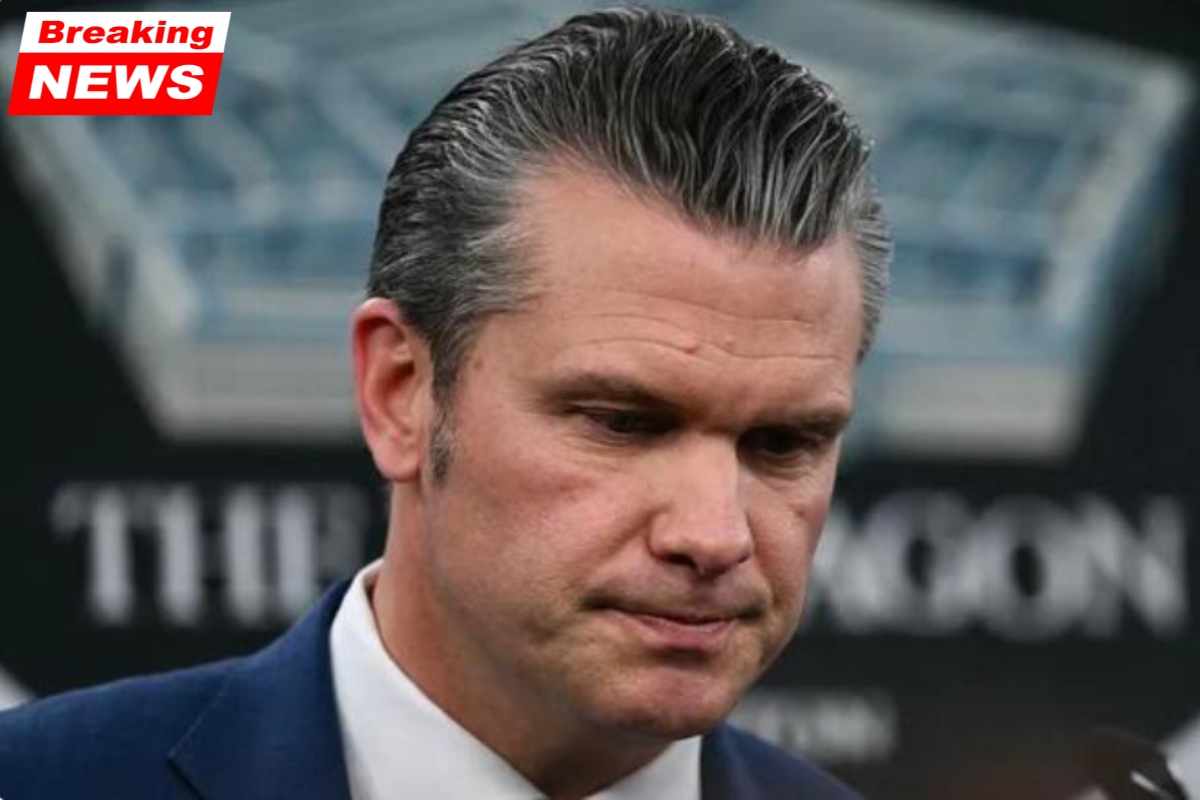
House Democrats have launched a high-stakes effort to remove Pete Hegseth, introducing six articles of impeachment that accuse him of serious misconduct tied to military operations and executive authority.
The resolution, led by Yassamin Ansari and backed by a group of Democratic co-sponsors, marks a sharp escalation in tensions over military oversight and the administration’s foreign policy decisions.
At the same time, the move has triggered immediate debate among legal scholars and political analysts, some of whom warn that repeated impeachment efforts could weaken the constitutional framework they are meant to protect.
The Charges: Military Actions and Administrative Conduct
The impeachment resolution is structured around two main categories: operational misconduct and administrative abuse.
The first set of articles focuses on decisions tied to military operations. Lawmakers allege unauthorized actions involving Iran, arguing that such moves put U.S. service members at risk without proper congressional approval. They also claim violations of international law, including alleged breaches of the Law of Armed Conflict.
Another major charge involves the handling of sensitive intelligence. Democrats argue that classified military information was managed recklessly, raising concerns about national security and operational integrity.
The remaining articles shift to broader governance issues. These include accusations of obstructing congressional oversight, politicizing the military, and damaging the reputation of U.S. armed forces.
Political and Legal Reactions
The impeachment push has quickly drawn strong reactions across the political spectrum. Supporters argue that it represents a necessary constitutional check on executive power, especially when national security decisions are involved.
Critics, however, see the move as part of a broader trend toward politicizing impeachment. Legal analyst Jonathan Turley has warned that such actions risk transforming impeachment into something closer to a parliamentary “vote of no confidence,” rather than a measure reserved for serious constitutional violations.
Turley described the current political environment as highly polarized, suggesting that impeachment is increasingly being used as a tool for retaliation rather than accountability.
A Growing Constitutional Debate
At the core of this development is a larger constitutional question: how often should impeachment be used, and under what circumstances?
The U.S. Constitution frames impeachment as a remedy for “high crimes and misdemeanors,” but it leaves room for interpretation. As a result, each new case helps shape how that standard is understood in practice.
Supporters of the resolution argue that the allegations—particularly those involving military action and national security—meet that threshold. Opponents counter that expanding the use of impeachment could erode its seriousness over time.
What Happens Next
If the impeachment resolution advances, it will first require approval by a majority in the House of Representatives. If passed, the process would then move to the Senate, where a trial would determine whether Hegseth should be removed from office.
Given the current political divisions, the outcome is uncertain. Even reaching a Senate conviction would require significant bipartisan support, which is often difficult to achieve in highly charged cases.
Key Takeaways at a Glance
| Aspect | Details |
|---|---|
| Target | Pete Hegseth, Secretary of Defense |
| Initiator | Rep. Yassamin Ansari and Democratic co-sponsors |
| Main Allegations | Unauthorized military action, legal violations, intelligence mishandling |
| Additional Charges | Obstruction of Congress, abuse of power |
| Key Debate | Use of impeachment as accountability vs political tool |
| Next Step | House vote, followed by possible Senate trial |
The impeachment effort against Pete Hegseth highlights deep divisions over military authority, executive power, and constitutional limits. While Democrats frame the move as necessary oversight, critics warn it could further normalize impeachment as a routine political strategy.
As the process unfolds, the case will not only determine Hegseth’s future but also influence how impeachment is used in the years ahead. The broader question remains whether it will continue to function as a safeguard of democracy or evolve into a more frequent feature of partisan conflict.