There was a moment of turmoil in a Georgia courtroom on Wednesday, as AI-generated deficiencies in legal filings threatened to derail proceedings in the case of a woman convicted of murder following a citizen’s arrest gone wrong.
The Conviction of Hannah Payne
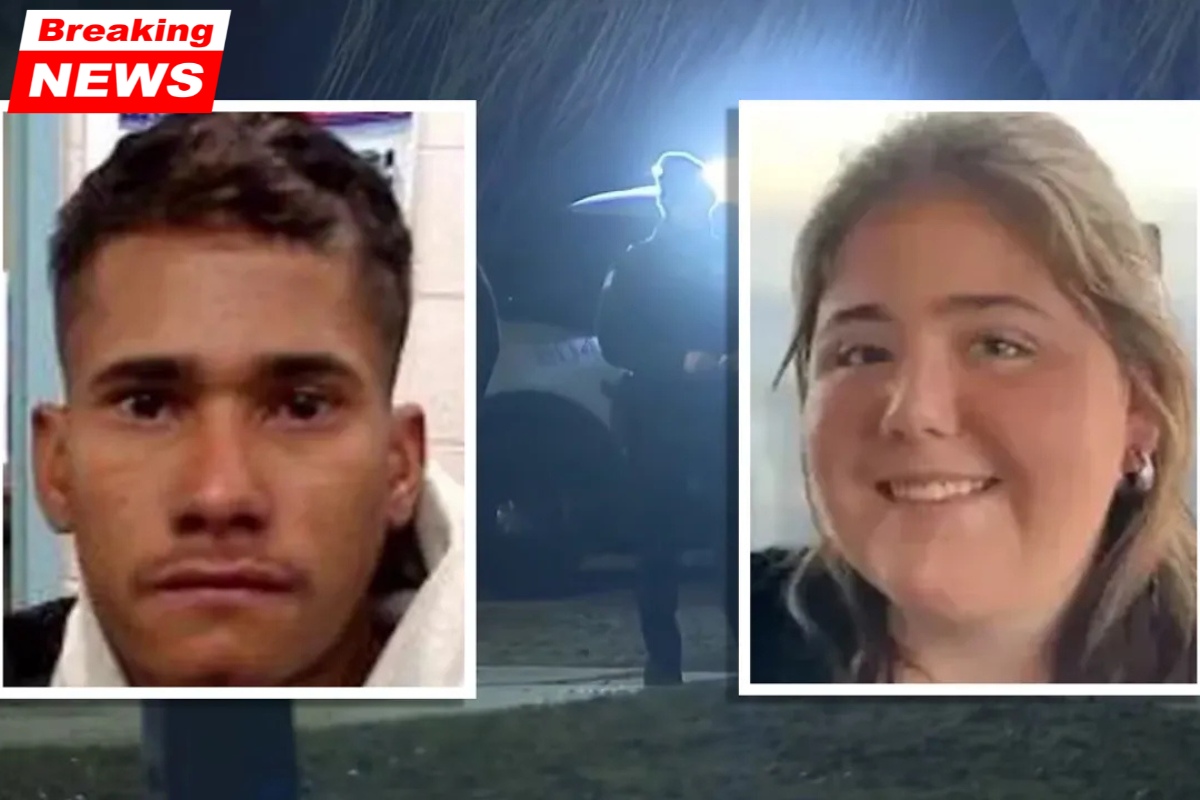
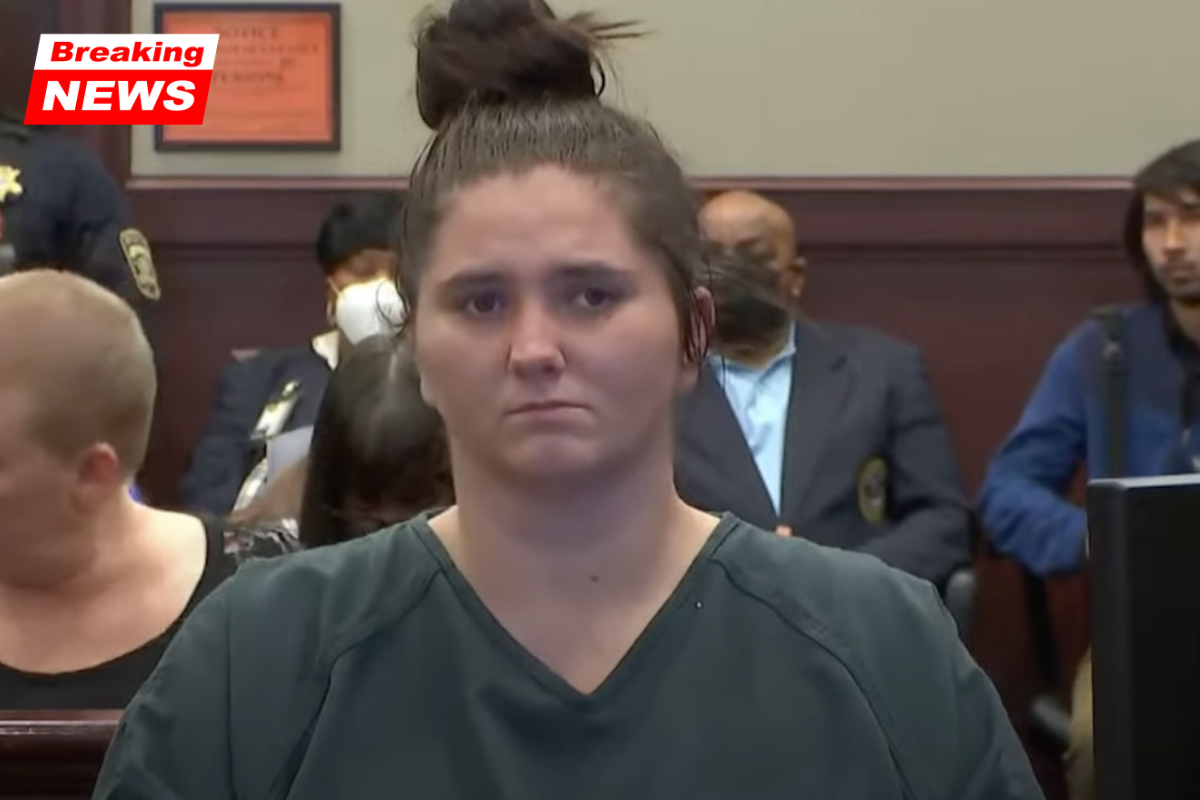
In December 2023, Hannah Payne, 25, was convicted on several charges following the May 2019 death of Kenneth Herring, 62. Payne was found guilty on two counts of felony murder, three counts of possession of a weapon during a crime, and one count each of malice murder, aggravated assault, and false imprisonment. As a result of her conviction, Payne was sentenced to life in prison with the possibility of parole after serving at least 43 years.
Payne’s Appeal for Ineffective Assistance of Counsel
Payne quickly appealed her sentence and conviction, arguing ineffective assistance of counsel. After her motion for a new trial was denied in late summer 2025, her case made its way to the Georgia Supreme Court for further review.
Issues with AI-Generated Legal Citations
During the court’s oral arguments, Chief Justice Nels S.D. Peterson highlighted issues with several legal filings from the lower court. Specifically, he pointed out that multiple citations in the trial court’s order denying Payne a new trial were problematic.
“In reviewing the trial court’s order denying the motion for a new trial, there are at least five citations to cases that don’t exist, and there’s at least five more citations to cases that do not support the proposition for which they’re cited, including three quotations that don’t exist,” Justice Peterson said.
State’s Response to the AI Errors
Deborah Leslie, an attorney representing the Clayton County District Attorney’s Office, denied any knowledge of the fabricated citations. She acknowledged preparing the order but stated that it had been revised. “I did prepare an order, that order was revised,” Leslie said.
However, the justice quickly rebutted her, noting that the nonexistent cases were cited in Leslie’s initial brief opposing the motion for a new trial. Leslie responded: “Your Honor, I’m not aware of that, but I would be glad to research and provide the court with a supplement.”
Similarities Between the Orders
Court TV obtained copies of both the original 37-page proposed order prepared by the state and the eventual 33-page order issued by Clayton County Superior Court Judge Jewel C. Scott. A review of both documents showed that they contained the same number of erroneous citations.
Appellate Lawyer’s Apology
During the oral arguments, Payne’s appellate lawyer, Andrew Fleischman, apologized for not catching the multiple errors in the filings. “I’m sorry I didn’t catch it,” Fleischman said. “I sometimes don’t read all the cases cited in my opponent’s brief, and this was an instance where I didn’t do that. I regret that I did not bring this to the court’s attention. I am sorry about it.”
Central Argument of Payne’s Appeal
At the heart of Payne’s appeal is her claim of constitutionally deficient counsel. She argues that her trial attorney failed to assert valid defenses, such as defense of others or citizen’s arrest, in support of her broader self-defense argument.
Following a collision involving multiple vehicles, Payne confronted Herring. While testifying in her own defense, Payne admitted that she had never drawn her weapon prior to the incident in question. However, she maintained that she did not intend for her handgun to discharge during the altercation. Instead, she claimed that Herring shot himself while struggling for control of her weapon.
State’s Position on the Defenses
The state counters that the defenses Payne sought to assert were not supported by the evidence presented at trial. According to the prosecution, the failure to instruct the jury on the defense of others and citizen’s arrest was proper.
No Indication of Ruling Outcome
Despite the dramatic exchange over the fabricated citations, the justices on the Georgia Supreme Court did not provide any indication as to whether the errors would benefit Payne’s case. As proceedings concluded, the court stated it would take all arguments into consideration but offered no timeline for a decision.