
In a move that offers Big 12 schools the chance to strengthen their financial positions, the conference has agreed to a private capital deal with RedBird and Weatherford Capital, giving member institutions access to a line of credit.
Despite the opportunity, no school has publicly confirmed plans to opt in, with Oklahoma State University (OSU) confirming that it will not participate in the deal at this time.
The Deal: $12.5 Million Infusion with Optional $30 Million Credit Line
As part of a five-year agreement, the Big 12 will receive a capital infusion of at least $12.5 million for the league office. In addition, schools within the conference have the option to opt into a $30 million capital credit line.
While this deal promises additional revenue for the conference, the response has been cautious. According to USA Today, at least 13 schools have declined the offer, with Oklahoma State among them.
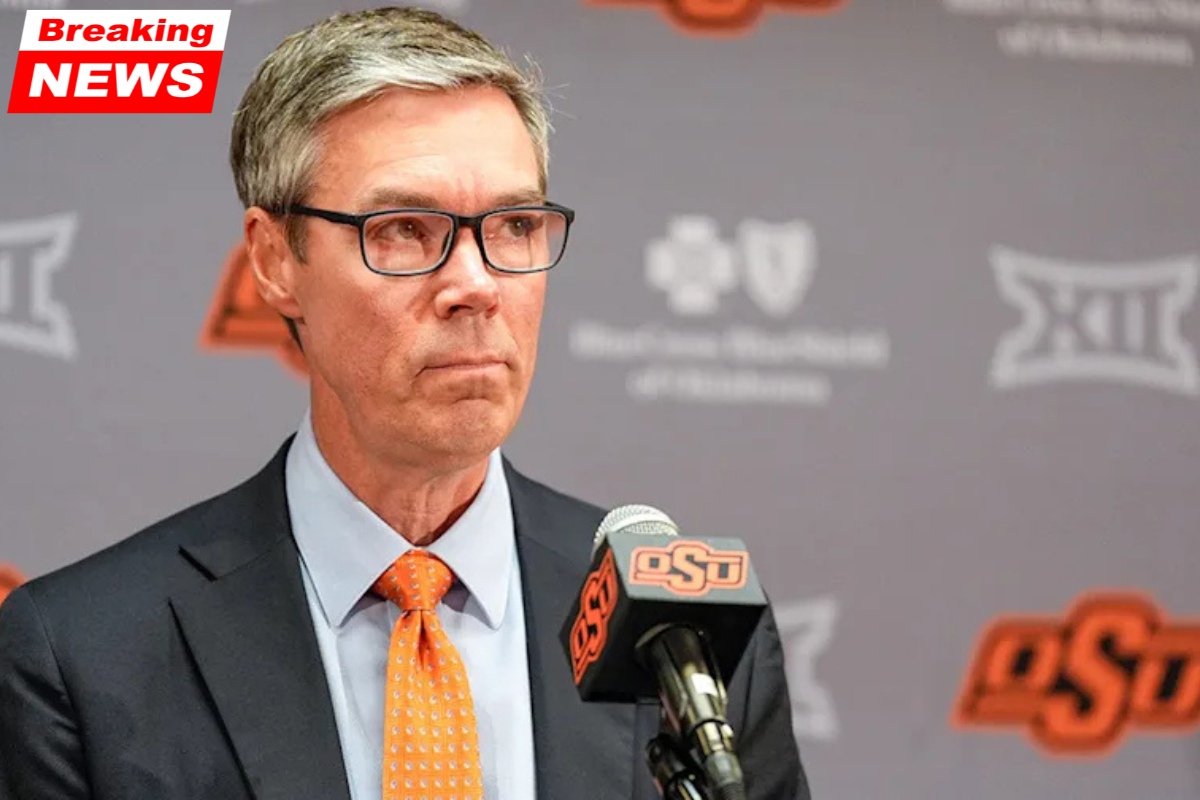
Oklahoma State athletics director Chad Weiberg confirmed during an interview on Inside OSU Athletics that the Cowboys would not be participating in the credit line option at this point. He emphasized that while the credit line option was available, the university had other avenues to explore for revenue generation.
Weiberg Explains OSU’s Decision
Weiberg explained that Oklahoma State’s decision not to opt in was due to the belief that other revenue streams could provide sufficient financial flexibility if needed. “RedBird is a huge global entity,” Weiberg said. “They’ve got a lot of partnerships. The conference office will get out of it some money to be able to invest in other business entities, take an investment in those to try to grow revenues from a different revenue stream. That’s something that’s worth exploring in this time that we’re in.”
He further stated that the decision to opt in for a credit line is left up to each institution and does not affect the overall deal with the conference. While OSU is not opting in, Weiberg expressed appreciation for the options made available by the deal.
Oklahoma State’s Alternative Revenue Streams
Weiberg pointed to multiple other sources of revenue that Oklahoma State has tapped into, including multimedia rights agreements, licensing deals, and the Big 12’s TV contract with FOX and ESPN. He also mentioned the importance of brand partnerships, including their ongoing relationship with apparel provider Nike, as crucial to the university’s financial health.
“The biggest driver of our revenue streams is still our great, loyal fan base,” Weiberg said. “Our partnerships with our apparel providers, multimedia rights, and brand partnerships—those are all things that we have to continue to look at.”
Additionally, Weiberg acknowledged the role of institutional support in the financial ecosystem of the university. This varies from school to school, especially between private and public institutions, with differences in regulations and funding structures impacting financial strategies across the conference.
The Bigger Picture: Financial Flexibility in Uncertain Times
Weiberg’s comments indicate that while the credit line offer from RedBird and Weatherford Capital could provide financial flexibility, Oklahoma State believes it has other viable options to support its athletic department and overall institutional goals.
The decision reflects a broader trend of caution within the Big 12, as multiple schools weigh their financial positions amid evolving market conditions in college sports.
The Big 12’s recent agreement with RedBird and Weatherford Capital highlights the increasing importance of alternative revenue streams as the college sports landscape continues to change. However, as schools like Oklahoma State opt out of the credit line, it remains to be seen whether others will follow suit or embrace the financial lifeline offered by the agreement.
Oklahoma State’s decision not to opt into the $30 million credit line, despite the opportunity to bolster its financial position, reflects confidence in the university’s existing revenue sources.
While the Big 12’s deal with RedBird and Weatherford Capital presents a new avenue for financial flexibility, schools like OSU are relying on other strategies, including fan engagement, multimedia rights, and institutional support, to ensure continued success.
As the college sports industry continues to evolve, these decisions will likely play a significant role in shaping the future of athletic programs and their financial sustainability.






