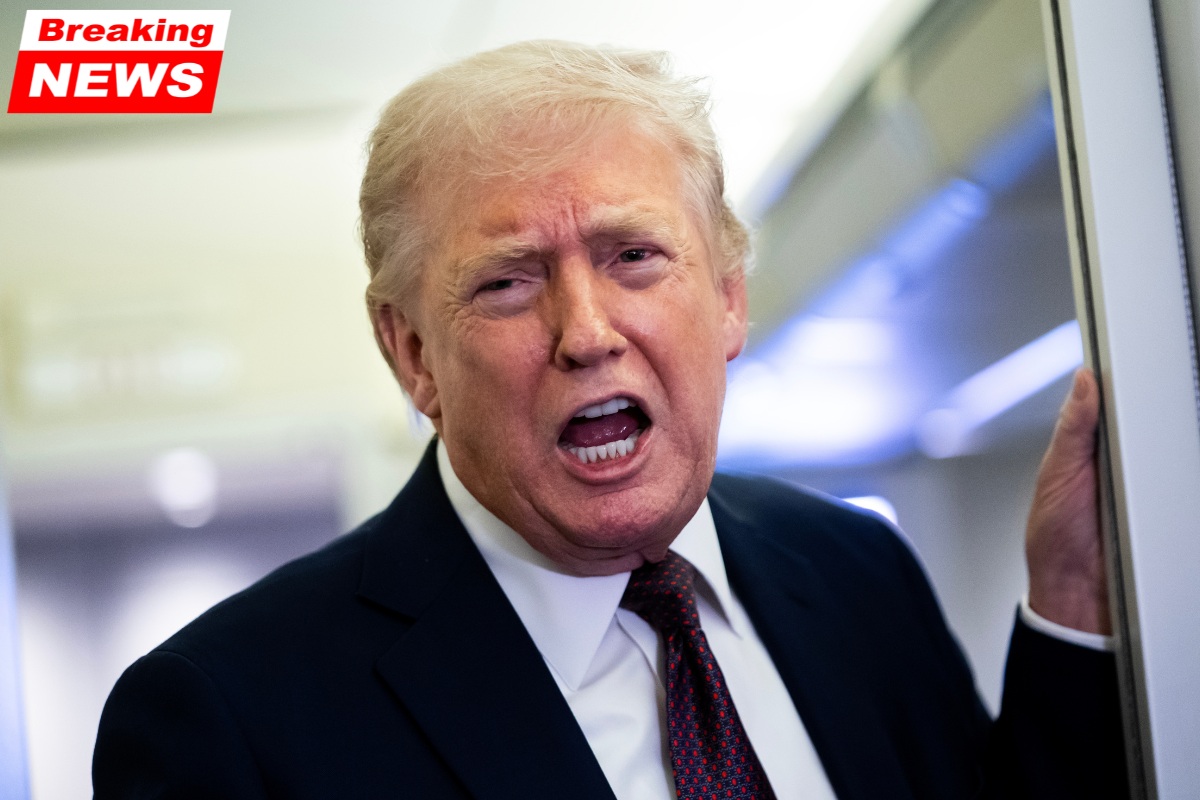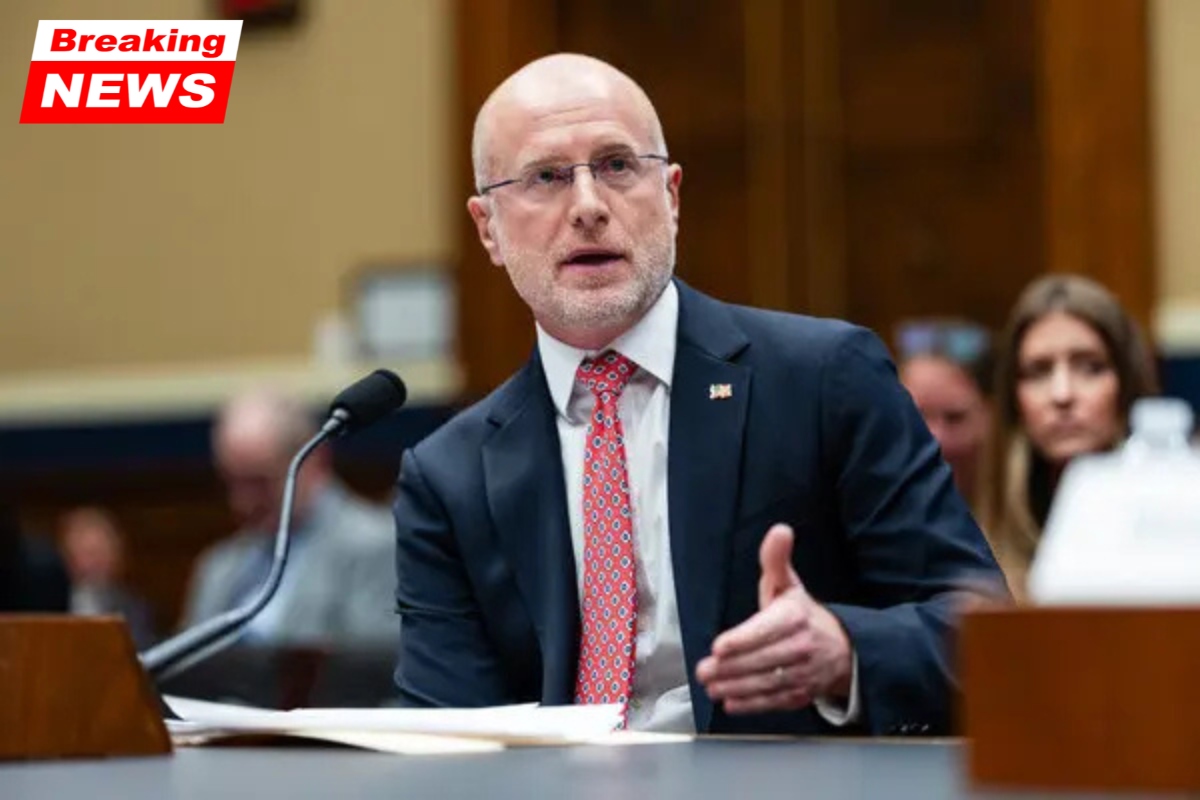
Tension is rising in the United States after fresh clashes between the White House, the media, and the Federal Communications Commission (FCC). The issue began when President Donald Trump accused major newspapers of spreading misleading information about damage caused during the Iran war. Soon after, FCC Chair Brendan Carr warned broadcasters that their licence renewals could be affected if they air what he called “hoaxes” or “news distortions.”
The controversy has triggered a strong debate about press freedom, government authority, and the limits of the First Amendment.
What Triggered the Dispute
Donald Trump criticised reports published by The Wall Street Journal and The New York Times. The newspapers reported that Iranian strikes had damaged five US Air Force refuelling aircraft in Saudi Arabia.
Trump rejected those claims. He said that four of the five aircraft suffered “virtually no damage” and were already back in service. In a social media post, he accused some media outlets of wanting the US to “lose the war” and called certain journalists “sick and demented.”
This strong language quickly escalated the situation.
FCC Chair Brendan Carr’s Warning
Brendan Carr, who leads the Federal Communications Commission, followed up with a public statement of his own.
He warned that broadcasters airing false or distorted war coverage could face consequences when their licences come up for renewal. According to Carr, broadcasters are legally required to operate “in the public interest.” He suggested that those who fail to do so risk losing their licences.
It is important to note that the FCC regulates broadcast television and radio, not print newspapers. However, his comments raised concerns across the media industry.
Here is a simple breakdown:
| Issue | Details |
|---|---|
| Media Report | Iranian strikes damaged 5 US refuelling planes |
| Trump’s Claim | 4 planes had almost no damage |
| FCC Warning | Licences could be reviewed over “fake news” |
| Reaction | Free speech concerns raised |
Free Speech Groups Respond
The comments from Carr were strongly criticised by free speech advocates. Foundation for Individual Rights and Expression (FIRE) said the warning sounded like government censorship.
Aaron Terr, the group’s public policy director, argued that the First Amendment does not allow the government to punish media outlets simply because their reporting conflicts with the administration’s views.
Under the US Constitution, the First Amendment protects freedom of speech and freedom of the press. Many experts believe that threatening to revoke licences over coverage could create a chilling effect, where media organisations feel pressured to avoid reporting stories critical of the government.
Political Leaders Weigh In
Gavin Newsom also criticised Carr’s comments. He called the warning “flagrantly unconstitutional” and accused the administration of trying to silence critical reporting.
This is not the first time Carr has faced accusations of overstepping his authority. In the past, critics said he appeared to threaten action against networks over controversial late-night comedy segments. Recently, he also encouraged broadcasters to air more “patriotic, pro-America content” ahead of the country’s 250th anniversary celebrations.
What Powers Does the FCC Actually Have?
The FCC has authority over broadcast television and radio stations. It can review licences and enforce certain rules related to public interest standards. However:
- It does not regulate newspapers.
- It does not directly control cable networks in the same way as broadcast stations.
- Revoking a licence is extremely rare and legally complex.
Any attempt to cancel a broadcast licence based purely on political disagreement would likely face serious court challenges.
Why This Debate Matters
This controversy goes beyond a single news report. It touches on larger issues:
- Freedom of the press during wartime
- Limits of government power over media
- The balance between misinformation control and censorship
- Public trust in both media and government
In times of war, information becomes highly sensitive. Governments often argue that inaccurate reporting can harm national security. On the other hand, journalists argue that independent reporting is essential in a democracy.
The clash between President Donald Trump, FCC Chair Brendan Carr, and major news organisations highlights a growing tension between political leaders and the media. While the president insists that certain reports about the Iran war are misleading, critics argue that threatening broadcast licences risks undermining the First Amendment.
The FCC does have authority over broadcasters, but any action seen as politically motivated would likely face strong legal opposition. At its core, this debate is about more than one news story — it is about how far government power can go in influencing media coverage during times of conflict. As the situation develops, the balance between national security concerns and press freedom will remain under close scrutiny.