
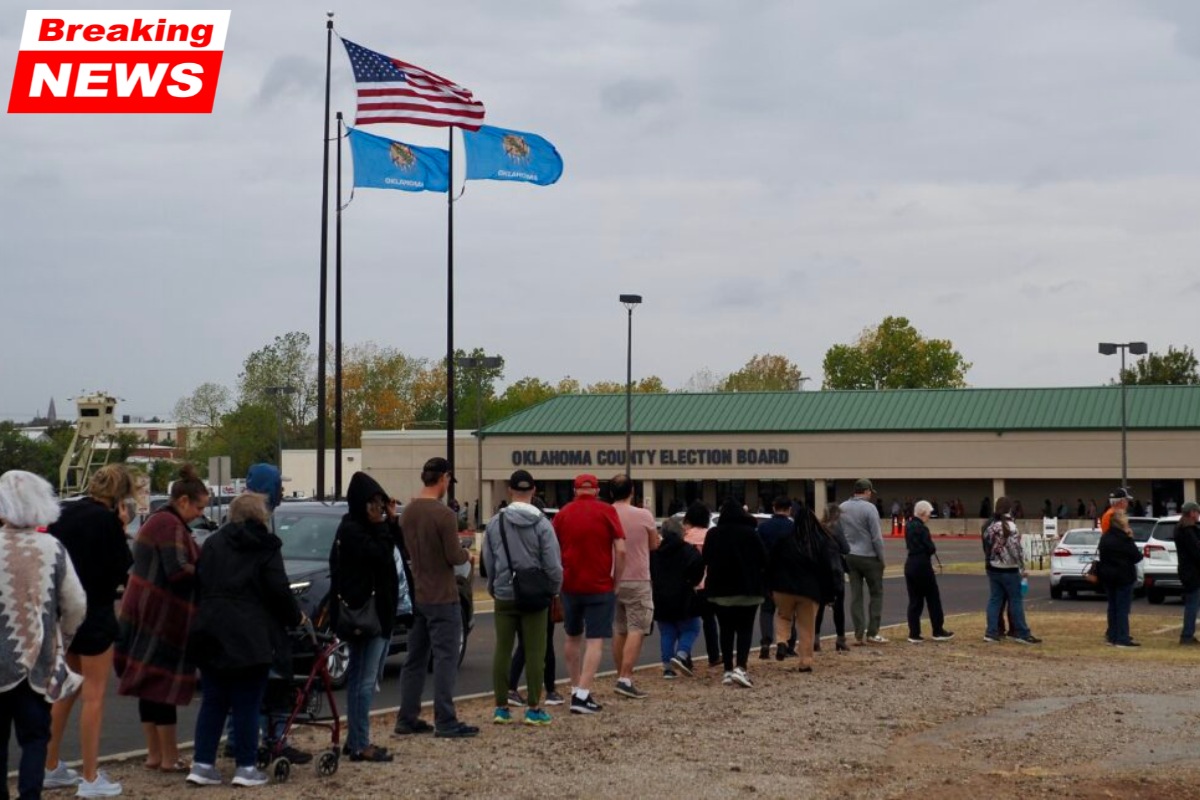
More than 13,000 voters across Oklahoma have switched their political party affiliation in 2026, according to new data released by the Oklahoma State Election Board.
The changes come just months before the state’s closed primary elections, where only registered party members can vote in their party’s contests.
Independent Voters Lead the Shift
The largest movement came from independent voters choosing to affiliate with a political party.
Key trends include:
- Over 6,100 independent voters selected a party
- Around 3,600 joined the Democratic Party
- Nearly 2,400 registered as Republicans
This shift is significant because Oklahoma’s primary system requires voters to be registered with a party to participate in most primary elections.
Changes Among Republican and Democratic Voters
Party switching wasn’t limited to independents. Both major parties saw movement in and out of their ranks.
Republican Voters
- Nearly 3,000 Republicans changed affiliation
- About 1,700 became independents
- Around 1,100 switched to the Democratic Party
Democratic Voters
- More than 3,700 Democrats changed affiliation
- Roughly 2,300 switched to Republican
- Nearly 1,400 became independents
These shifts show a notable level of movement between the two major parties ahead of key elections.
Libertarian Voter Changes
Smaller parties also saw changes:
- About 100 Libertarians became Republicans
- Around 150 switched to Democrats
- Another 150 became independents
While smaller in number, these changes still contribute to the overall reshaping of voter alignment in the state.
Why Voters Are Switching Parties
One key reason for the surge in party changes is Oklahoma’s closed primary system:
- Voters must be registered with a party to participate
- Independent voters are generally excluded unless parties allow participation
This year, no recognized political party opted to open its primaries to independents, likely prompting many voters to formally join a party.
Registration Deadlines and Restrictions
Voters had until March 31 to change their party affiliation before a mandatory blackout period.
Important dates:
- Blackout period: April 1 to August 31 (no changes allowed)
- Primary election: June 16
- Runoff primary: August 25
- General election: November 3
- Voter registration deadline for primaries: May 22
During the blackout period, voters cannot switch parties, ensuring stability in voter rolls ahead of elections.
Current Voter Registration Breakdown
Oklahoma has approximately 2.42 million registered voters, with party affiliation distributed as follows:
- 53% Republican
- 25% Democratic
- Over 20% Independent
- Nearly 1% Libertarian
These numbers show that Republicans maintain a clear majority, while independents make up a significant and growing portion of the electorate.
Summary Table of Party Changes
| Category | Number of Voters |
|---|---|
| Total Party Changes | 13,000+ |
| Independents Joining Parties | 6,100+ |
| → Joined Democrats | 3,600+ |
| → Joined Republicans | 2,400+ |
| Republicans Switching | 3,000 |
| → To Independent | 1,700 |
| → To Democrat | 1,100 |
| Democrats Switching | 3,700+ |
| → To Republican | 2,300 |
| → To Independent | 1,400 |
| Libertarian Changes | ~400 total |
The movement of more than 13,000 voters reflects how election rules and timing can influence political behavior. With closed primaries limiting participation, many independents appear to have joined parties to ensure their voices are heard in upcoming elections.
At the same time, shifts between Republicans and Democrats suggest evolving political preferences within the state. As Oklahoma approaches its June primary, these changes could have a measurable impact on candidate outcomes and party dynamics.






