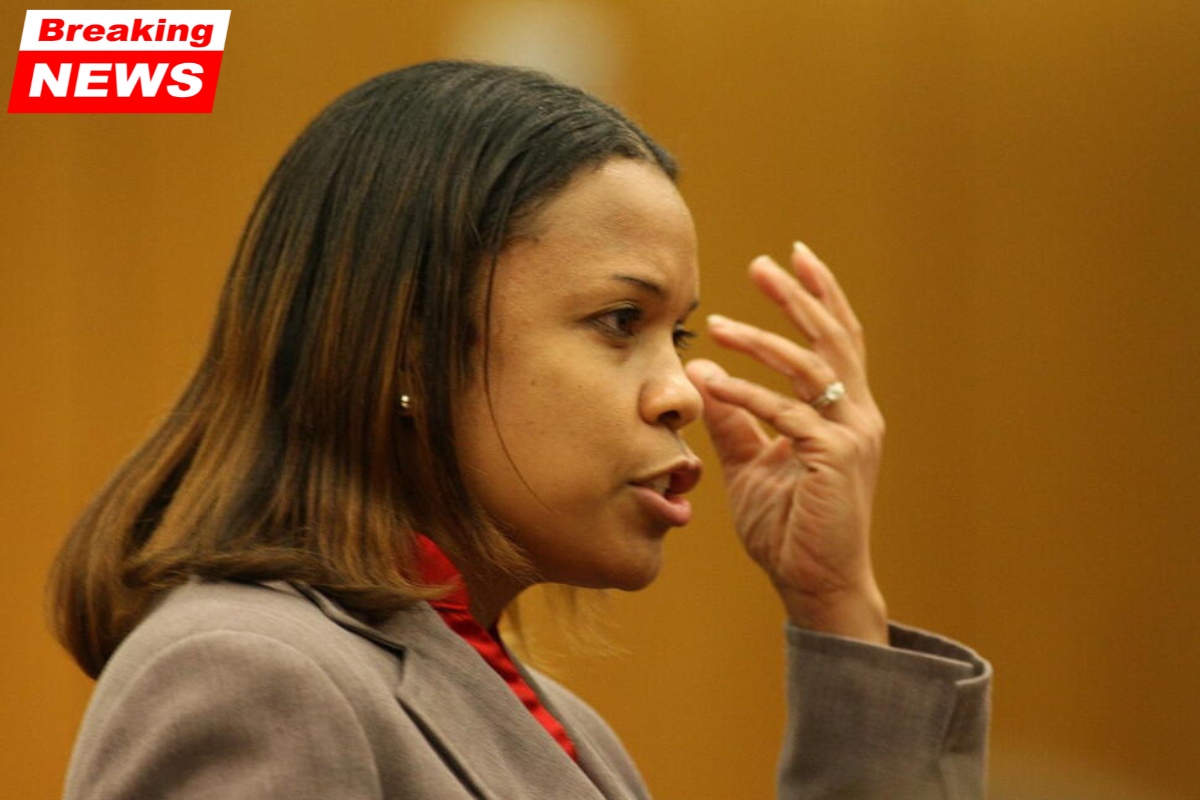
US House oversight chair has called Attorney General Pam Bondi to give a sworn deposition over how the Justice Department handled the Jeffrey Epstein files. The committee says it wants clear answers about whether files were wrongly redacted or held back. The Justice Department says lawmakers can see the files at DOJ and calls the subpoena unnecessary.
| Quick facts | Details |
|---|---|
| Who | Attorney General Pam Bondi; House Oversight Chair Rep. James Comer |
| What | Subpoena for sworn deposition about Epstein files |
| When | Deposition ordered for April 14; private briefing scheduled the day before |
| Why | Questions about DOJ’s handling and compliance with the Epstein Files Transparency Act |
| DOJ response | Called the subpoena “completely unnecessary,” offered a closed briefing. |
What happened
House Oversight Chair James Comer issued a subpoena asking Attorney General Pam Bondi to appear for a sworn deposition on April 14 about the Justice Department’s handling of files tied to Jeffrey Epstein. The committee says it is looking into whether the federal investigation was mismanaged and whether the Department followed the Epstein Files Transparency Act.
Why the committee wants answers
Lawmakers say the Justice Department released millions of pages but also made redactions or kept back some materials. Members of the committee worry important names or documents might have been hidden or overly edited when files were made public. The Oversight Committee wants to know how the DOJ collected, reviewed and decided what to release under the Transparency Act.
DOJ response and the private briefing
The Department of Justice called the subpoena “completely unnecessary” and said lawmakers had already been invited to view unredacted files at DOJ. The department also said Pam Bondi and Deputy Attorney General Todd Blanche would brief the committee behind closed doors to answer questions quickly. The DOJ added that the Attorney General has been available to meet and speak with members of Congress.
The votes and political support
The Oversight Committee’s decision to subpoena Bondi followed a vote earlier this month that had bipartisan backing. That means some members from both parties supported the move — a sign the concerns cross party lines. The committee earlier voted to force testimony about Bondi’s role in the files release.
What lawmakers are saying
Rep. James Comer wrote that as Attorney General, Bondi is responsible for overseeing the DOJ’s work on these files and should explain how the release decisions were made. The top Democrat on the panel, Rep. Robert Garcia, thanked fellow Democrats and some Republicans for supporting the subpoena and said the committee wants truth and justice for survivors.
What might happen next
If Bondi appears for the deposition, she will give sworn answers under oath. If she refuses, the committee can pursue enforcement steps that may include referring the matter for contempt proceedings — though such moves often lead to legal fights and can take time. Even before the deposition, the private DOJ briefing could shape next steps by answering some committee questions.
Simple takeaways
- The subpoena is about transparency and whether the Justice Department followed a law requiring release of Epstein-related files.
- The DOJ says it offered access and a briefing so the subpoena is not needed.
- Lawmakers from both parties have complained about redactions and want clearer answers.
This subpoena is a major step in the House Oversight Committee’s probe into the Epstein files. It shows strong interest from both parties about how the Justice Department handled millions of pages of evidence and whether survivors and the public got full, unredacted information.
The next few weeks — including the private briefing and the scheduled deposition on April 14 — will be important.
They could either calm lawmakers’ concerns if the DOJ provides clear answers, or push the investigation further if doubts remain. The committee wants accountability and clear facts so survivors and the public can trust the process; how the Justice Department responds will decide what happens next and whether changes are needed in how sensitive files are handled and released.