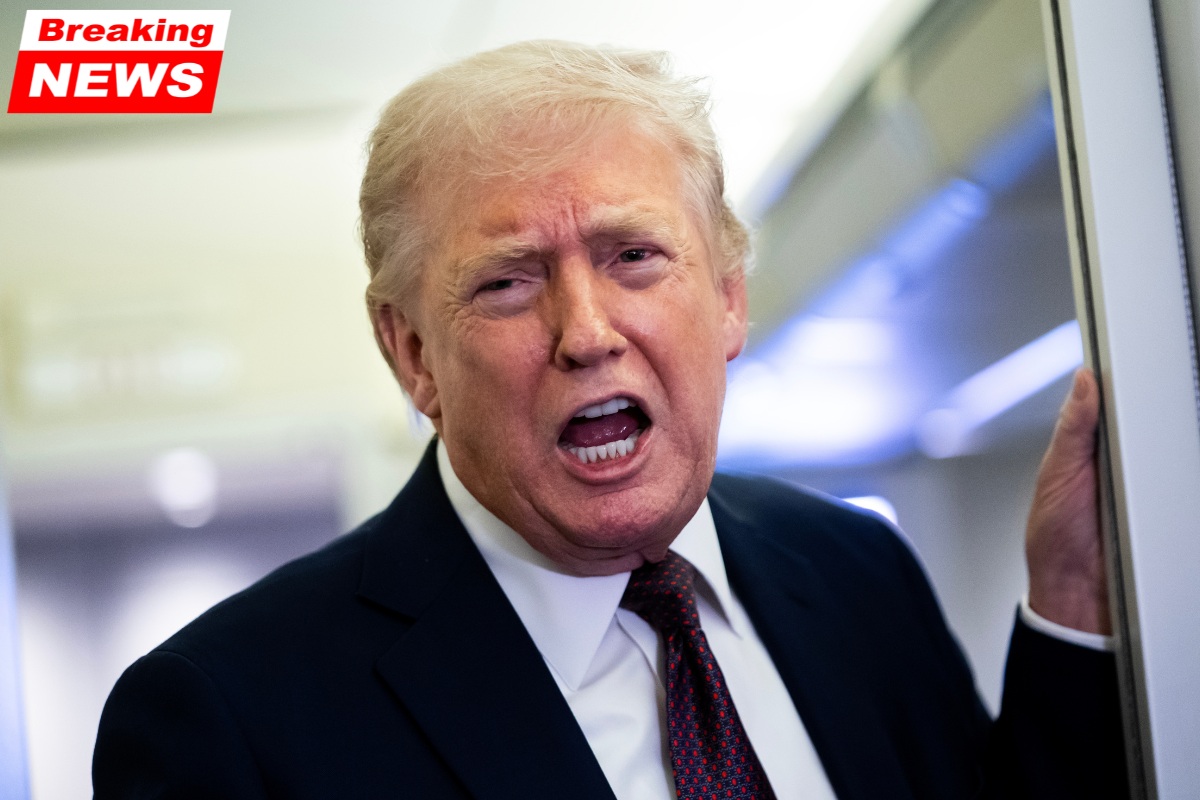
President Donald Trump announced on Saturday that a deal to reopen the Strait of Hormuz is nearly finalised, but top U.S. lawmakers have expressed concerns over its impact on the balance of power in the Persian Gulf. The announcement comes amid rising tensions over oil supplies and Iran’s control of the strategic waterway.
Trump Announces Near Agreement
In a social media post, Trump said he spoke with leaders from Saudi Arabia, the United Arab Emirates, Qatar, Pakistan, Turkey, Egypt, Jordan, and Bahrain. He added that he also had a separate call with Israeli Prime Minister Benjamin Netanyahu.
“An agreement has been largely negotiated, subject to finalisation between the United States, the Islamic Republic of Iran, and the other countries listed,” Trump wrote. He noted that final details are still being discussed, but the deal would allow the Strait of Hormuz to reopen among other provisions.
Reports suggest that the deal includes a 60-day extension of the ceasefire. Iran would gradually reopen the strait and enter discussions on its uranium stockpile. In exchange, the U.S. would ease its naval blockade, phase in sanctions relief, and unfreeze Iranian assets held overseas.
Concerns Raised by U.S. Lawmakers
Senator Lindsey Graham, a Republican from South Carolina and a close ally of Trump, warned against any deal that could be seen as recognising Iran’s ability to control the strait.
“If a deal is struck because the Strait of Hormuz is considered uncontrollable by Iran, and Iran retains the capability to destroy major Gulf oil infrastructure, then Tehran will be seen as a dominant force requiring diplomacy,” Graham wrote on X. He said such a perception would significantly shift the regional power balance and become a “nightmare” for Israel.
Graham also questioned why the war started if Iran was considered too powerful to be stopped, adding that the U.S. and its allies should not give up the ability to defend the strait. He warned that a deal allowing Iran to survive and grow stronger could worsen conflicts in Lebanon and Iraq.
Senator Roger Wicker, R-Mississippi, expressed similar concerns. He called the potential 60-day ceasefire extension a “disaster” and urged Trump to renew hostilities to forcefully reopen the strait. Wicker warned that pursuing an agreement with Iran’s Islamist regime could appear as weakness and insisted that the U.S. should finish dismantling Iran’s conventional military capabilities.
Former CIA Director and Secretary of State Mike Pompeo also criticised the emerging deal, calling it a rehash of Democratic policies and effectively paying Iran to strengthen its nuclear program. He tweeted: “Not remotely America First. Open the damned strait. Deny Iran access to money. Take out enough Iranian capability so it cannot threaten our allies.”
Iran’s Control Over the Strait of Hormuz
Iranian media stated that the Strait of Hormuz would remain under Tehran’s management. In recent days, Iran created the Persian Gulf Strait Authority to formalise its control.
After initially blocking the strait following the start of the U.S. and Israel conflict, Iran established a route near its territorial waters for ships to transit, provided they receive approval from the Islamic Revolutionary Guard Corps.
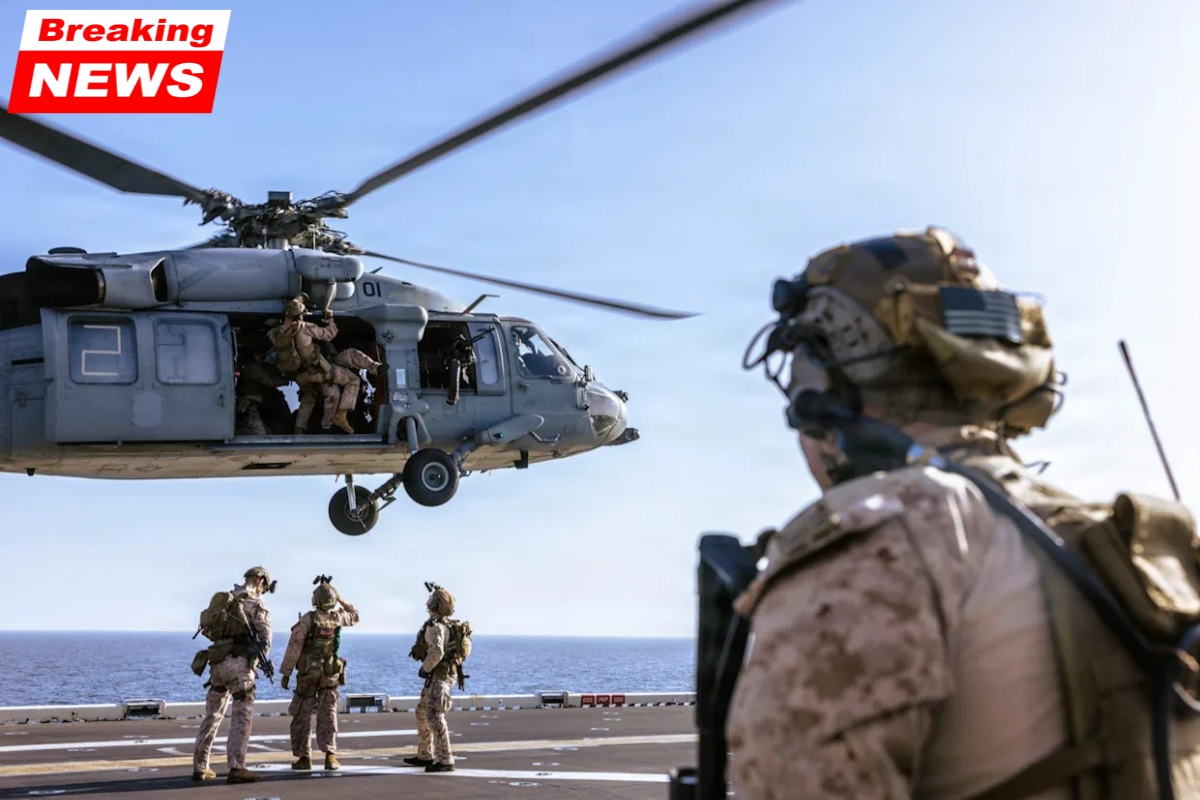
The U.S. attempted to create an alternate route near Oman’s waters while clearing mines and sending destroyers to reopen free navigation.
Despite these efforts, most ships have followed the Iranian-approved path. Trump also curtailed military efforts to protect ships from attacks while the U.S. imposed its own blockade on Iranian ports and “shadow fleet” tankers globally, aiming to cut off Iran’s revenue.
Iran has managed to store oil and gradually reduce output to prevent storage from reaching maximum capacity, keeping the regime defiant in negotiations despite U.S. threats of military action.
Impact on Global Oil Markets
Global oil markets are under severe pressure, with over 10 million barrels per day removed from supplies. The U.S. and other major oil-consuming nations have released reserves, but this has not fully offset the shortfall. Stockpiles are approaching dangerously low levels.
JPMorgan predicted that commercial oil inventories in developed countries could reach “operational stress levels” by early June. Saudi Aramco warned that global inventories of gasoline and jet fuel could reach critically low levels ahead of the summer travel season.
Hamad Hussain, a climate and commodities economist at Capital Economics, said that if the Strait of Hormuz remains closed, oil prices could spike sharply rather than rise steadily, following a “hockey stick” trajectory.
Analysts at UBS echoed these concerns, noting that oil inventories are near record lows and warning of potential panic buying if the strait remains closed and supply disruptions continue.
Strategic Risks and Regional Balance
Lawmakers and analysts are concerned that recognising Iran’s control over the strait could embolden the regime and shift the regional balance of power. Iran’s ability to threaten Gulf oil infrastructure and manipulate oil flow gives it leverage over the U.S. and its allies.
Senators Graham and Wicker, along with Pompeo, emphasised that any agreement must prevent Iran from emerging stronger or appearing to dominate the region. They warned that failing to secure a strategic advantage could escalate conflicts in Lebanon, Iraq, and beyond.
The emerging agreement to reopen the Strait of Hormuz highlights the delicate balance between diplomacy, military strategy, and energy security. While Trump presents it as a path to peace and stability, critics warn of long-term risks, including increased Iranian influence, regional instability, and global oil market disruptions.
As negotiations continue, the world watches closely, knowing that the strait’s status affects not just the Middle East, but energy security and economic stability worldwide.