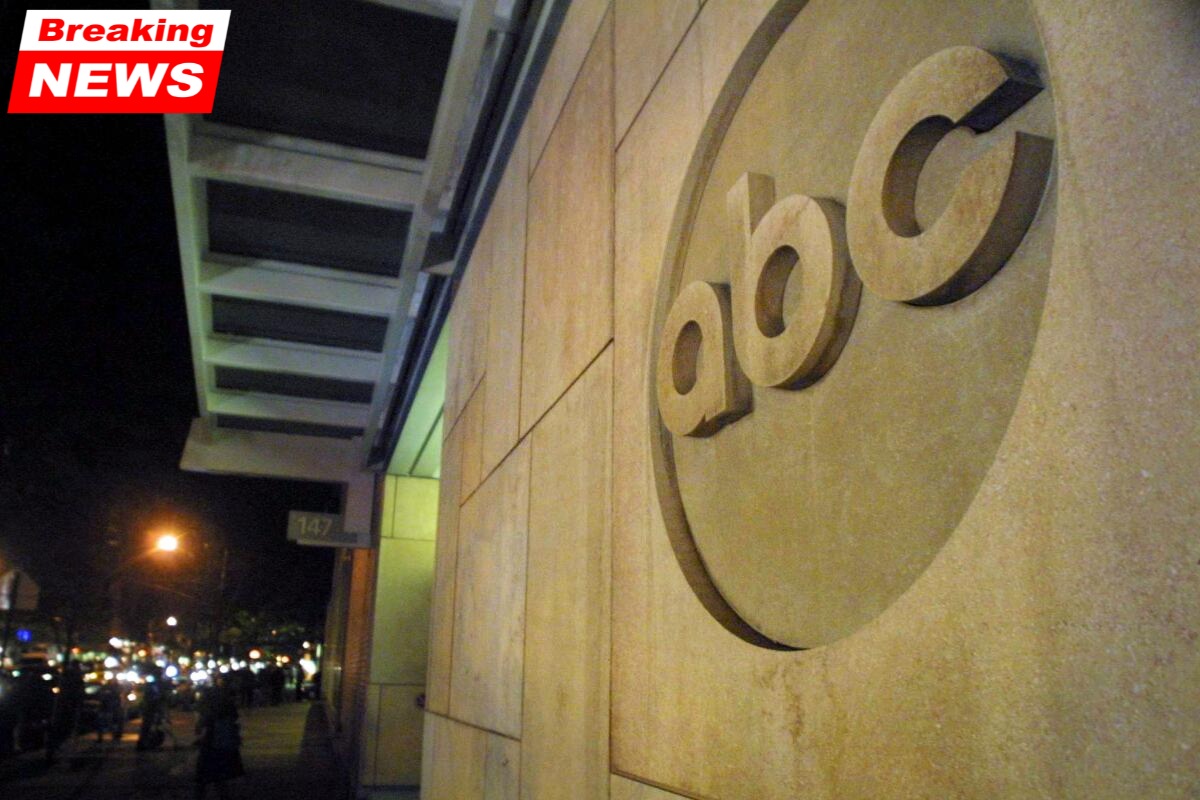
In a move that has generated significant attention, Federal Communications Commission (FCC) Chairman, Brendan Carr, has initiated a review of the broadcast licenses for the eight ABC TV stations owned by the Walt Disney Co.
This announcement, made on April 28, is seen as one of Carr’s most prominent actions since assuming his position, and it aligns with the administration’s broader efforts to challenge media outlets deemed critical by the current political leadership.
Carr’s Call for License Review
Carr’s call for a review of Disney’s TV licenses is significant because it comes two years before the licenses are up for renewal. His decision is tied to an ongoing inquiry into Disney’s diversity, equity, and inclusion (DEI) policies.
Specifically, the review will examine whether these policies violate federal anti-discrimination rules.
This move has raised eyebrows, particularly because it follows closely after First Lady Melania Trump’s public criticism of ABC’s late-night host, Jimmy Kimmel.
Kimmel, who made a controversial joke at the White House Correspondents’ Dinner on April 23, called Melania Trump “beautiful” while mocking the age gap between her and her husband, President Donald Trump.
This joke, which was made during a time of heightened security concerns following an assassination attempt at the event, stirred political debates.
While Carr has denied any direct connection between his call for a review and Kimmel’s remarks, many observers remain skeptical about the timing and the underlying motivations.
The Context of Disney’s DEI Investigation
The review into Disney’s practices is not an isolated incident. It is part of a broader effort by the Trump administration to challenge DEI initiatives that were aggressively promoted by companies like Disney and Comcast following the 2020 Black Lives Matter movement.
After the police killing of George Floyd in Minneapolis, companies ramped up their diversity efforts, but these initiatives have since come under scrutiny from conservative commentators and government officials.
Carr, a staunch supporter of President Trump, has previously shown public support for efforts to rein in media outlets and organizations that the president has criticized.
The investigation into Disney’s policies and practices, which began in March 2025, is seen by many as part of the administration’s broader campaign to reverse DEI programs and enforce stricter media regulations.
Disney’s Response to the Investigation
In response to the review, Disney has chosen not to comment on the specifics of the investigation but has defended the record of its TV stations.
The company reiterated its commitment to providing high-quality programming and upholding its qualifications as licensees under the Communications Act and the First Amendment.
Disney has expressed confidence that its track record will demonstrate its ongoing eligibility for broadcast licenses when challenged through the appropriate legal channels.
What’s at Stake for Disney?
The FCC’s role in regulating TV licenses is primarily to ensure that stations serve the public interest. This includes providing local news, educational programming, and diversity of content.
While the review of Disney’s ABC stations may not lead to an immediate revocation of licenses, it places the company in a precarious position.
If Disney were found to have violated nondiscrimination rules, it could face penalties, including fines or more severe consequences like the denial of its licenses.
Challenges in License Renewal
Historically, challenges to TV station licenses are relatively rare. The most significant challenge in recent years involved Fox Corp.’s Philadelphia station, WTXF, which faced a challenge during its license renewal in 2023 after the company’s Fox News Channel was accused of spreading false information about the 2020 presidential election.
While the FCC ultimately rejected the challenge, it highlighted the potential for broadcast licenses to become points of political contention.
Past Precedents: TV Stations and Political Pressure
There are a few notable instances where U.S. administrations have attempted to influence TV station licenses. During the Watergate scandal in the 1970s, Richard Nixon’s administration unsuccessfully sought to revoke the licenses of several stations owned by the Washington Post.
These historical examples underscore the political sensitivity surrounding the FCC’s authority over media outlets.
The last instance of a company losing its broadcast license occurred in 1987 when RKO General, a subsidiary of General Tire and Rubber Co., lost its TV licenses due to corporate malfeasance rather than content issues. However, such instances are exceedingly rare, and it would likely take many years of legal proceedings for any similar action to take place today.
What Happens If ABC’s Licenses Aren’t Renewed?
In the event that Disney’s ABC TV licenses are not renewed, the company would be allowed to continue operating its stations under a “continuing operating authority” until the legal process is resolved. The chances of an immediate impact are slim, as the renewal process is lengthy and tied up in constitutional concerns, particularly around free speech rights.
Public communications attorney Andrew Jay Schwartzman explained that the law sets a “very steep burden” for the FCC to deny a renewal, meaning any action on this front would likely face significant legal hurdles. If Disney were forced to sell the stations, the value would likely be impacted by the pressure to divest the properties under these circumstances.
The FCC’s early review of Disney’s ABC TV stations under Chairman Carr is a significant moment in the ongoing debate over media control, political influence, and the role of government in regulating content. While it remains to be seen whether Disney will face any severe consequences, the move highlights the increasingly fraught relationship between media companies and political leaders.
The coming months may provide more clarity on whether the FCC will take concrete actions against Disney or whether the legal and constitutional challenges will prevent such a move from occurring.