When boxer Mike Tyson said, “Everyone has a plan until they get punched in the mouth,” he was talking about how quickly reality can change in a fight. That quote now feels relevant to the ongoing conflict between the United States and Iran. What many expected to be a quick and decisive military campaign has turned into something more complex and unpredictable.
The United States, under President Donald Trump, launched a powerful military strike that severely damaged Iran’s leadership and military infrastructure. But even after suffering heavy losses, Iran is still fighting back. This raises an important question: What does “winning” really mean in a modern war?
America’s Military Power vs Iran’s Resistance
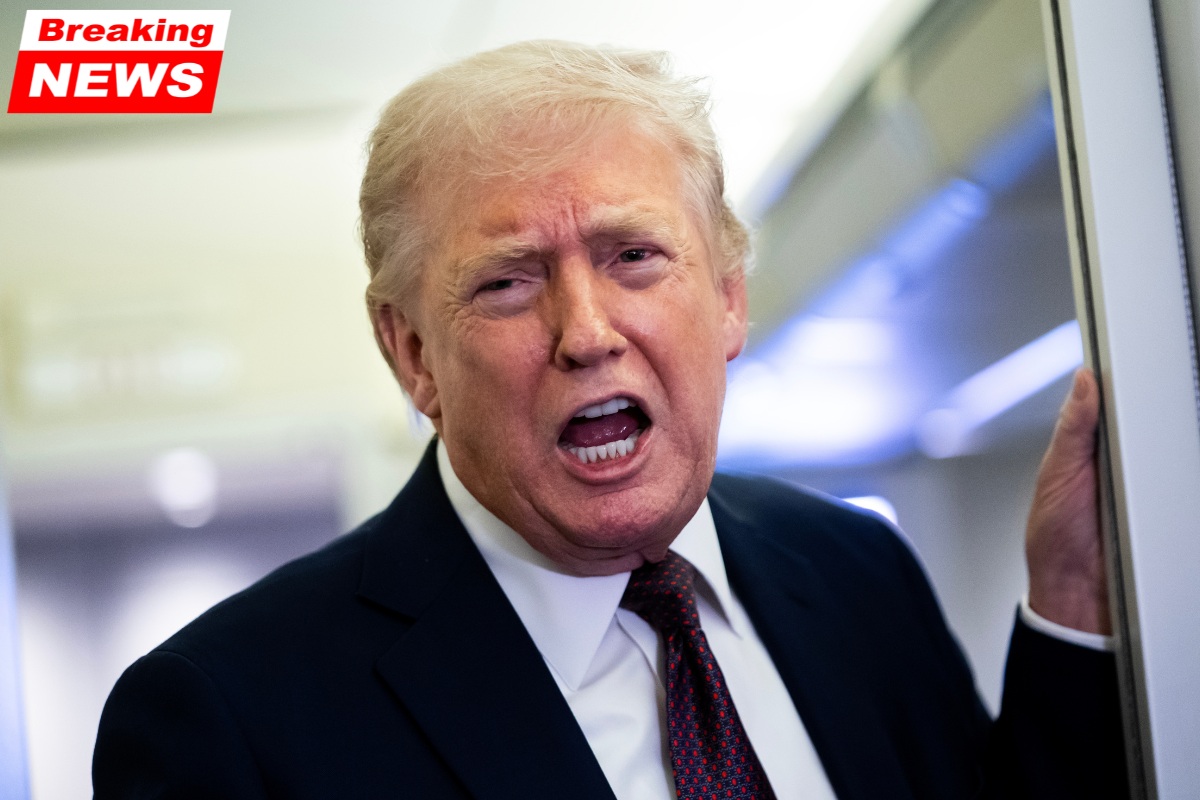
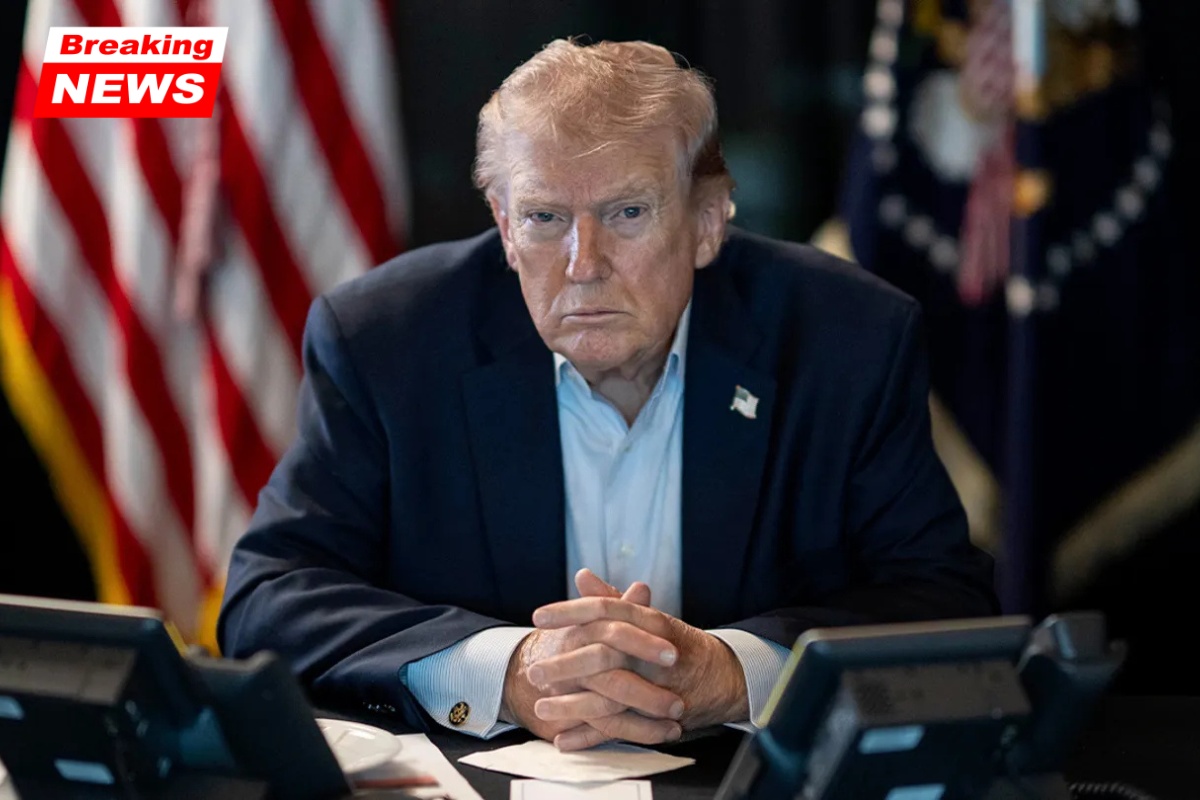
President Donald Trump has described the U.S. military action as extremely successful. According to the administration, key Iranian leaders — including Ayatollah Ali Khamenei — were eliminated in the opening strike. Officials later revealed that 140 American service members were wounded in that initial operation.
The U.S. military, often called the most powerful in the world, has caused massive damage to Iranian targets. However, Iran has shown that even a weaker opponent can still cause serious problems.
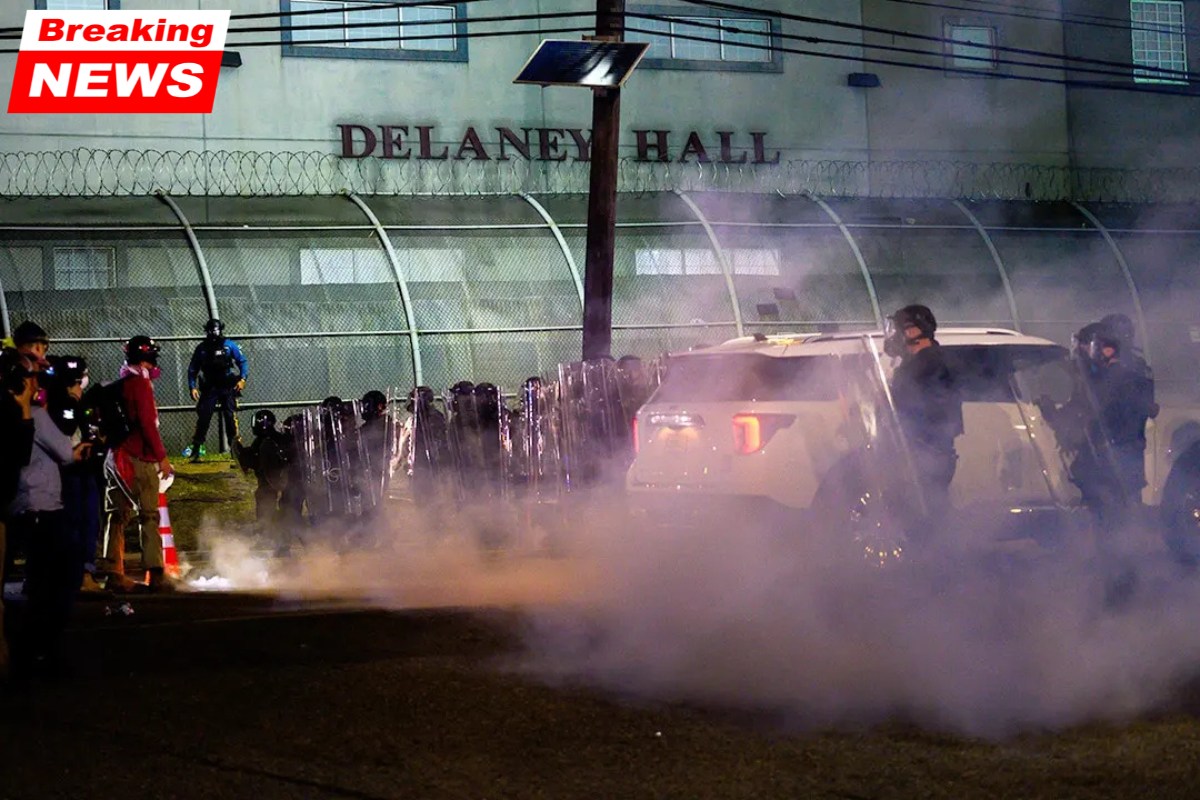
Despite heavy losses, Iranian-backed militias have reportedly attacked American-linked targets in the region. Drones were launched at a hotel in Erbil, Iraq, where American troops were staying. There are also reports that Iran is placing mines in the Strait of Hormuz — a key global oil route.
Why the Strait of Hormuz Matters
Strait of Hormuz is one of the most important oil shipping lanes in the world. A large portion of global oil passes through this narrow waterway.
If Iran disrupts traffic there, oil prices can rise sharply. President Trump warned that if Iran blocks oil flow, the U.S. would respond “twenty times harder.” However, reports suggest Iran is already attempting to create obstacles in the strait.
This is not just a military issue. It directly affects the global economy — including American consumers.
Economic Impact at Home
Wars are not fought only on battlefields. They also affect people at home.
Since the conflict began:
- Gas prices in the U.S. have increased
- Stock markets have become unstable
- Retirement savings have seen fluctuations
- Unemployment has slightly risen
Some economic issues started before the war, including job losses linked to trade disputes and court rulings on tariffs. However, the war has added fresh uncertainty.
When oil prices rise, transportation costs increase. That affects everything from groceries to airline tickets. For ordinary Americans, the impact is felt in daily expenses.
Was Iran’s Response Misjudged?
Reports suggest that U.S. officials may have underestimated how Iran would react. According to assessments cited in media reports, American planners believed Iran would struggle to respond effectively.
However, Iran sees this conflict as an existential threat — meaning it views survival as its top priority. When a nation feels its existence is at stake, it may take desperate or unexpected steps.
Secretary of War Pete Hegseth said that while the exact response was not predicted, the possibility was known. He described Iran’s counterattacks as a sign of desperation.
Political Pressure on Trump
Inside the United States, the war has created divisions — even within Trump’s own political base.
Some Republicans believe Trump should declare victory and end the conflict quickly. They argue that the main goal — stopping Iran’s nuclear ambitions — has been achieved.
Others believe the president must push for regime change in Iran. Earlier, Trump had suggested that Iran needed new leadership and that he would approve the next leader. However, reports indicate that Iran’s internal succession plans have continued without U.S. approval.
This situation has also sparked debate within Trump’s “America First” supporters. Some believe foreign wars go against that promise.
What Does Winning Really Mean?
Military victory is not always simple. The U.S. has clearly inflicted heavy damage on Iran. But Iran can claim a form of victory simply by surviving and continuing to resist.
Here’s a comparison:
| U.S. Position | Iran’s Position |
|---|---|
| Major military strikes successful | Leadership hit but regime survives |
| Claims nuclear program disrupted | Continues regional resistance |
| Threatens stronger retaliation | Disrupts oil routes and uses militias |
| Faces political debate at home | Focused on survival |
In modern conflicts, “winning” is often about long-term outcomes rather than quick battles.
The coming weeks will be critical. If Trump ends the war soon, he could strengthen his political standing ahead of midterm elections. But if the conflict drags on, economic pressure and internal political divisions may grow stronger.
The United States has delivered a powerful blow to Iran. Yet history shows that wars rarely go exactly as planned. A militarily weaker country can still create strategic challenges. For America, the goal may be to weaken Iran’s capabilities.
For Iran, simply remaining standing could be considered success. In the end, how this conflict is judged will depend not just on battlefield results, but on economic stability, political unity, and whether the fighting truly comes to a clear and lasting end.