
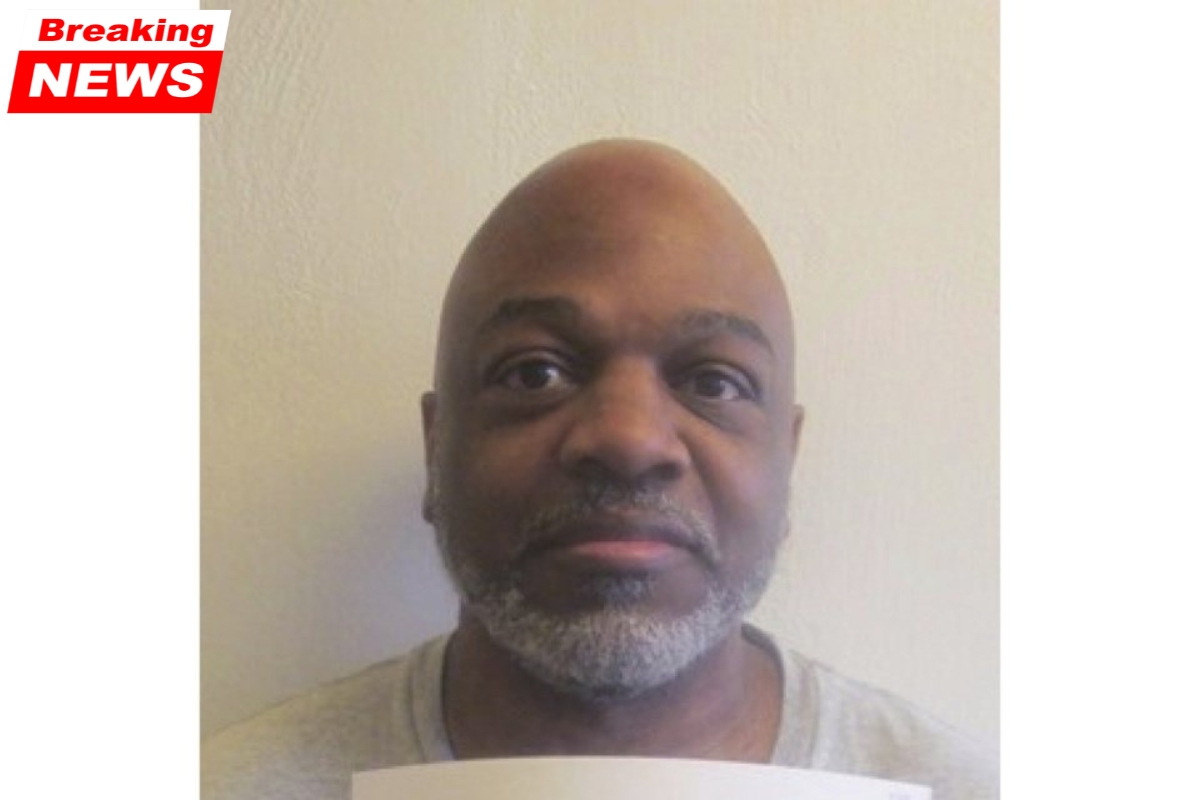
The state of Oklahoma executed death row inmate Raymond Johnson on Thursday morning for the 2007 murders of his ex-girlfriend, Brooke Whitaker, and her 7-month-old daughter, Kya.
Johnson, 52, was pronounced dead at 10:12 a.m. after receiving a three-drug lethal injection at the Oklahoma State Penitentiary in McAlester, according to prison officials. The execution marked Oklahoma’s second execution of the year and the 11th execution carried out in the United States so far in 2026.
The case has remained one of the state’s most disturbing murder cases due to the brutal details surrounding the deaths and the nearly two decades of legal appeals that followed.
Quick Summary of the Execution
| Topic | Details |
|---|---|
| Inmate Executed | Raymond Johnson |
| Age | 52 |
| State | Oklahoma |
| Execution Method | Lethal injection |
| Time of Death | 10:12 a.m. |
| Crime Year | 2007 |
| Victims | Brooke Whitaker and her daughter Kya |
| Location of Crime | Tulsa, Oklahoma |
| Execution Number in US (2026) | 11th |
| Oklahoma Executions in 2026 | 2 |
What Happened in the 2007 Murders
Prosecutors said Johnson attacked Whitaker during an argument at her Tulsa home in June 2007.
According to court documents and evidence presented during Johnson’s clemency proceedings, he repeatedly struck Whitaker in the head with a metal claw hammer. Prosecutors said her skull was fractured and she suffered more than 20 lacerations to her face and scalp.
Despite her severe injuries, Whitaker reportedly remained conscious and pleaded with Johnson to spare both her life and the life of her infant daughter, who was sleeping in another room.
“She begged him to call 911. She begged him to let her mom come get baby Kya. She begged him to think of her children,” the Oklahoma Attorney General’s Office stated in documents prepared for Johnson’s clemency hearing.
Whitaker was also the mother of three other children.
House Was Set on Fire After the Attack
Investigators said Johnson then retrieved a gasoline can from a backyard tool shed and poured gasoline throughout the house and onto Whitaker herself.
According to prosecutors, Johnson lit a dish towel on fire and threw it at Whitaker before leaving the home.
Whitaker later died from a combination of head injuries and smoke inhalation. Her infant daughter, Kya, died from severe burns caused by the fire.
Gentner Drummond described Johnson as “a cruel murderer who inflicted unimaginable pain and suffering on his victims.”
The violent nature of the killings played a major role in prosecutors’ efforts to uphold Johnson’s death sentence throughout years of appeals.
Johnson Did Not File a Final Supreme Court Appeal
Unlike many death row cases that involve last-minute appeals, Johnson’s legal team did not ask the U.S. Supreme Court to halt the execution.
His attorneys had previously challenged the conviction through several appeals over the years. They argued that:
- Johnson’s arrest was illegal
- Police coerced his confession
- His trial attorney improperly conceded guilt without permission
However, courts consistently rejected those arguments.
In April, Oklahoma’s five-member Pardon and Parole Board unanimously voted against recommending clemency for Johnson.
Johnson Asked for Forgiveness During Clemency Hearing
During the clemency hearing, Johnson apologized to Whitaker’s family and claimed he had changed during his years in prison.
“I apologize. No excuses, no justifications, a sincere apology,” Johnson said during an interview with the anti-death penalty organization Death Penalty Action.
He argued that his actions and behavior while incarcerated demonstrated genuine remorse.
“I’m living a remorseful life,” he said.
Despite the apology, Whitaker’s family strongly supported carrying out the execution.
Victim’s Family Said Execution Would Bring Closure
Family members of Whitaker told the parole board that Johnson’s execution would finally end years of emotional pain and trauma.
Logan Kleck, Whitaker’s oldest daughter, submitted a letter urging the state to move forward with the lethal injection.
“Executing him will not give me my mom or sister back,” she wrote. “What it will do is finally stop him from continuing to hurt us.”
The family’s statements reflected the emotional impact the case has had over nearly 20 years.
Johnson Had a Previous Manslaughter Conviction
Court records showed Johnson also had a violent criminal history before the 2007 murders.
He previously served nine years of a 20-year sentence after being convicted of manslaughter in 1996.
Prosecutors pointed to that earlier conviction as evidence of a pattern of violent behavior.
Oklahoma Continues Active Use of the Death Penalty
Johnson became the second inmate executed in Oklahoma this year.
Earlier in 2026, another Oklahoma inmate, Kendrick Simpson, was executed for the 2006 drive-by shooting deaths of two men.
Nationwide, Florida has carried out the most executions this year, with five executions since January.
The continued use of the death penalty remains highly controversial in the United States. Supporters argue it delivers justice for victims and their families, while opponents question its morality, effectiveness, and risk of wrongful convictions.
Organizations opposing capital punishment continue to advocate for alternatives such as life imprisonment without parole.






