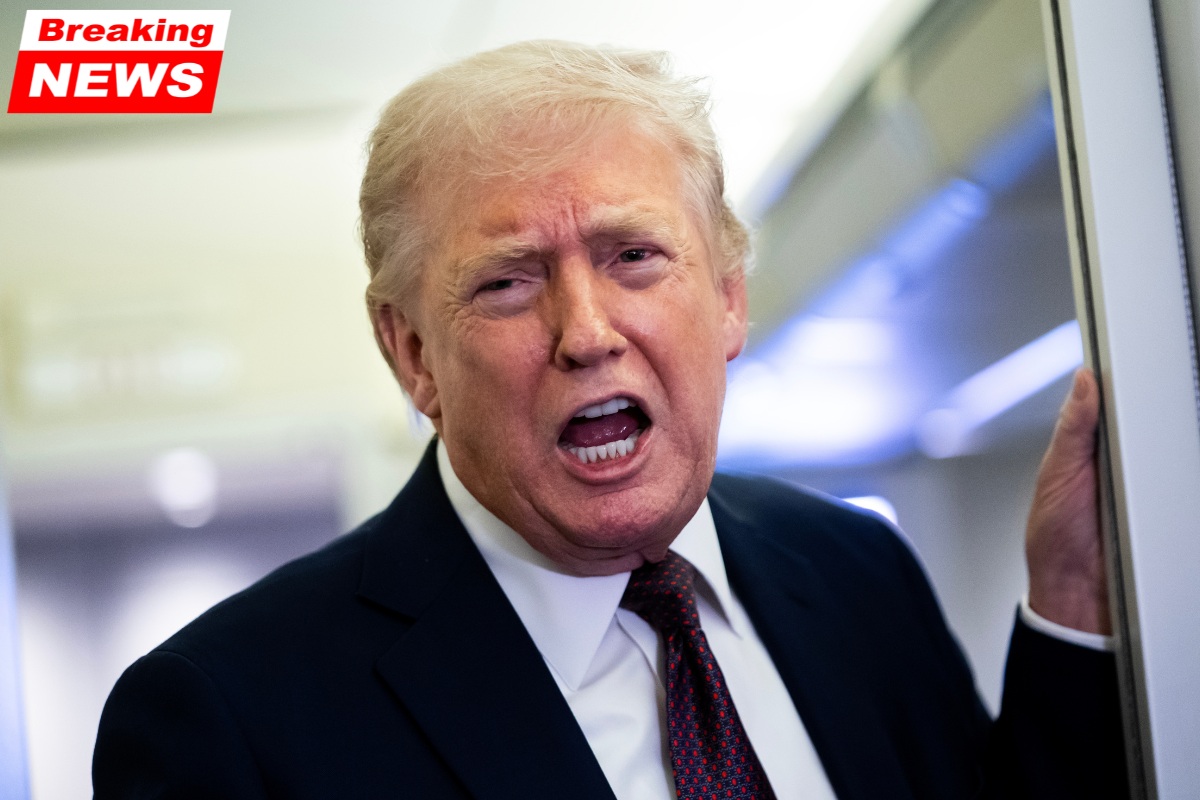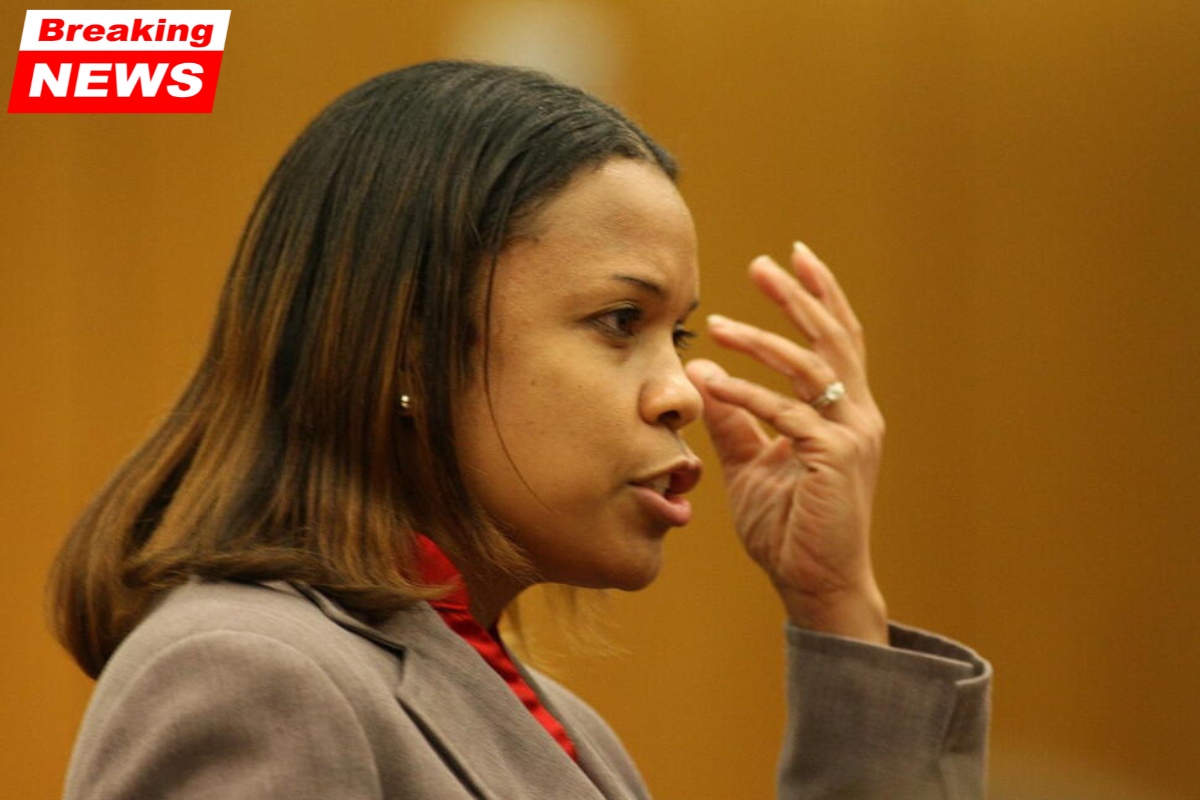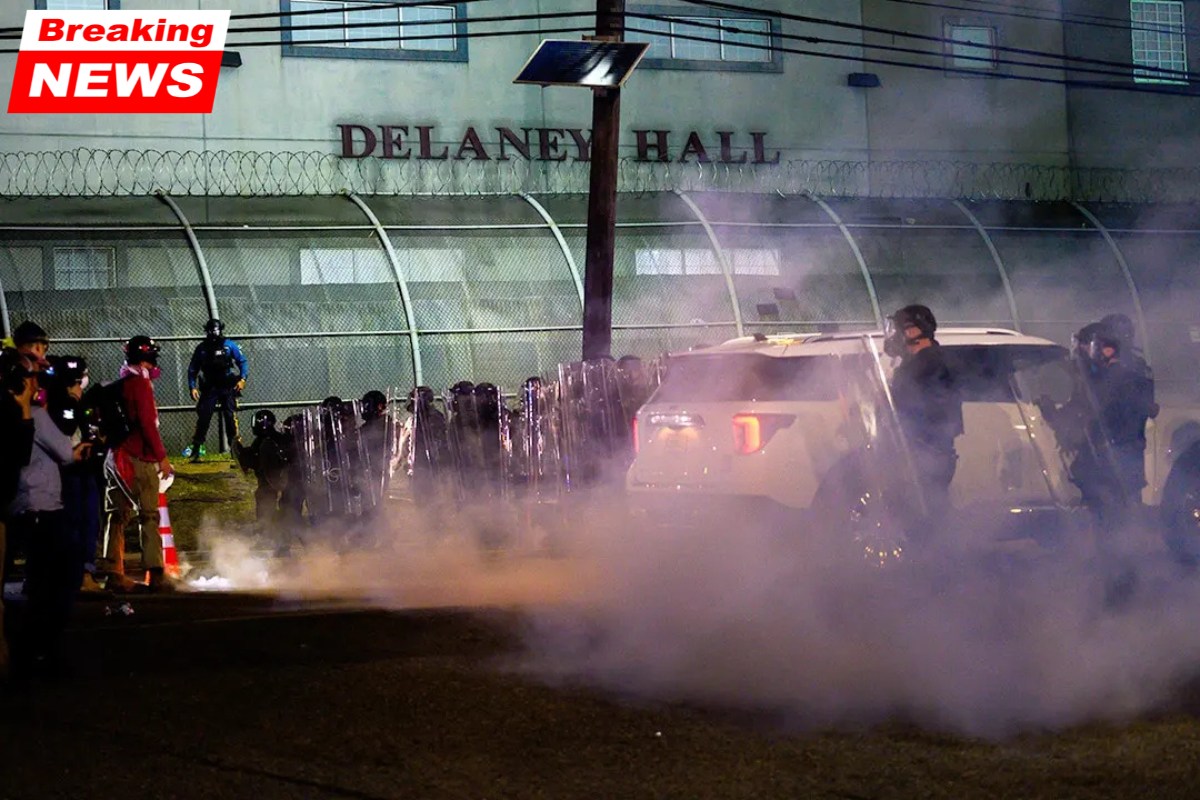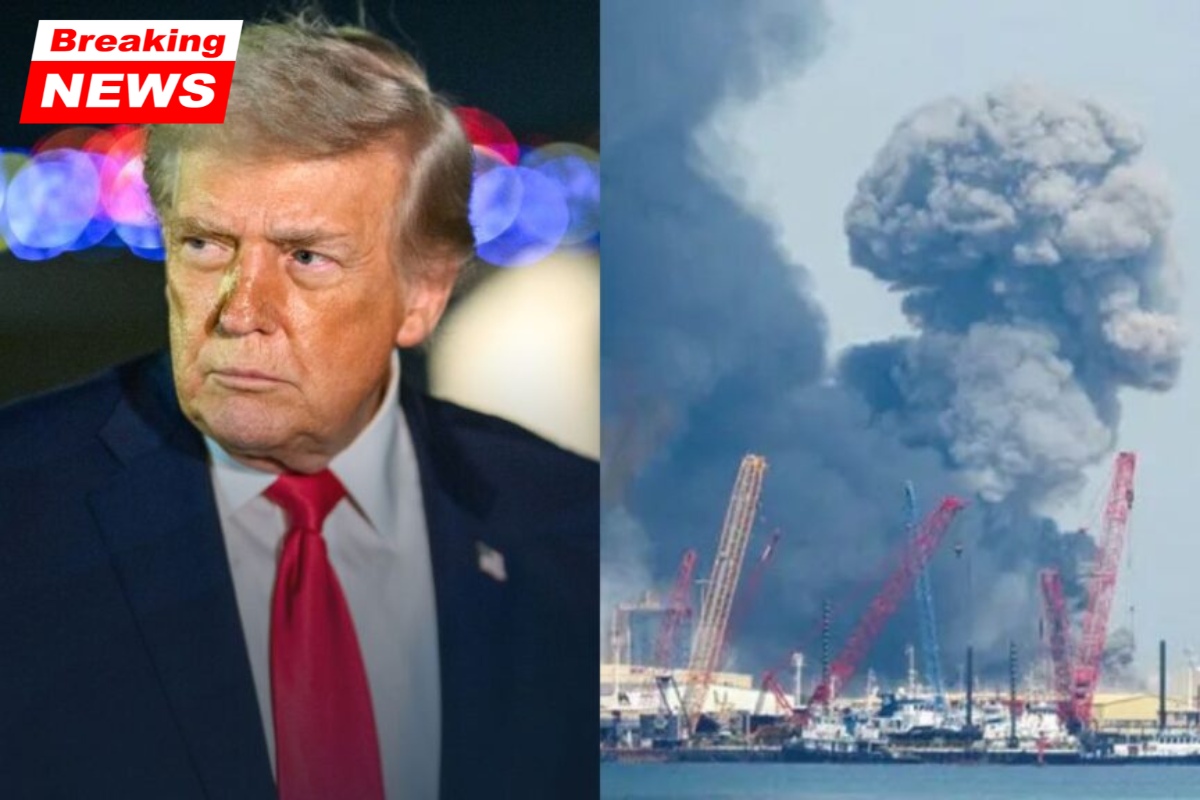
Donald Trump has not ruled out bringing back a military draft as the U.S. fights in Iran — and that possibility is stirring loud debate inside the MAGA world. Some supporters are openly calling for conscription, while others — including some on the right — say a draft would be a political and moral disaster. Below is a clear, simple guide to what’s happening, why people are worried, and what the practical steps would be if Washington tried to reinstate the draft.
What people are saying right now
Salon columnist Chauncey DeVega warned that many MAGA Republicans are pushing to bring back conscription and that move could backfire on the GOP politically. He argues that a war that needs forced enlistment would be deeply unpopular and might even shift voters away from Trump and his movement.
The White House press secretary, Karoline Leavitt, when asked on Fox News by Maria Bartiromo if the president would consider ground forces or a draft, said the draft was “not part of the current plan right now” but that the president “wisely keeps his options on the table.” That answer sent waves across social media and political circles.
Who supports a draft — and who opposes it
Many hardcore MAGA voices have reportedly talked about reinstating conscription as the conflict grows. But not everyone on the right agrees. Former congresswoman Marjorie Taylor Greene strongly pushed back, posting on X that there should be “NO DRAFT AND NO BOOTS ON THE GROUND,” saying she campaigned against foreign wars and would refuse to send her own son. Her reaction shows the idea is controversial even among Trump allies.
How the U.S. draft system works now
The U.S. does not have an active military draft. The draft ended in 1973, though men still must register with the Selective Service System so Congress could restart conscription if it chose to. Reinstating a draft would not be as simple as an announcement — Congress would likely need to change laws and the public would probably have a strong reaction. News reports and fact checks have explained this background as the debate has moved forward.
Why experts say a draft would be hard and risky
Analysts warn of major problems if the draft came back:
- Legal changes: Congress would need to amend or update the Military Selective Service Act.
- Public resistance: Many people say they would refuse to comply for a war the government cannot clearly justify.
- Political fallout: Forcing people to fight for an unpopular war could create huge voter backlash and even long-term shifts in party support.
Chauncey DeVega and other writers say these political risks could be crippling for the GOP if a draft were used for a war lacking public support.
What this debate means for ordinary people
If a draft were actually considered, families would worry about sons and daughters being forced to serve. Young people would face sudden life-changing choices. Politicians would be forced to explain — clearly and publicly — why troops on the ground are necessary. That kind of national conversation would probably dominate headlines and voting choices for months or years.
Quick content overview
| Item | Short summary |
|---|---|
| Main concern | Talk inside MAGA about bringing back the military draft amid war with Iran. |
| Key voices | Salon’s Chauncey DeVega warns it could backfire; Karoline Leavitt said options remain on the table. |
| Opposition | Some conservatives, including Marjorie Taylor Greene, strongly oppose a draft. |
| Legal steps needed | Congress would likely need to update the Military Selective Service Act. |
| Political risk | A draft for an unpopular war could cause large public backlash and electoral losses. |
What to watch next
- Any clear White House policy statements about troop escalation or mobilization.
- Congressional moves to change Selective Service law.
- Public polling on support for a draft and views on the Iran conflict.
A return of the draft is still only talk — but the talk matters. If leaders begin pushing for conscription without a clear public explanation, it could provoke huge anger and serious political consequences. For many people, the draft is not just a policy tool; it is a deeply personal risk to families, careers and futures.
That is why both the legal steps (what Congress would have to do) and the political steps (how voters would react) matter equally. If Washington moves from talk to action, every citizen should pay attention and demand clear answers about why lives are being put at risk and what the real goals are. This issue could reshape politics and affect generations, so the country’s leaders must be up front and honest about the reasons and the costs.