A tragic shooting in Chicago has sparked a wider debate about immigration policies, public safety, and accountability. The death of a young college student has deeply affected her family and community, while also bringing attention to similar cases involving violent crimes.
What happened in Chicago
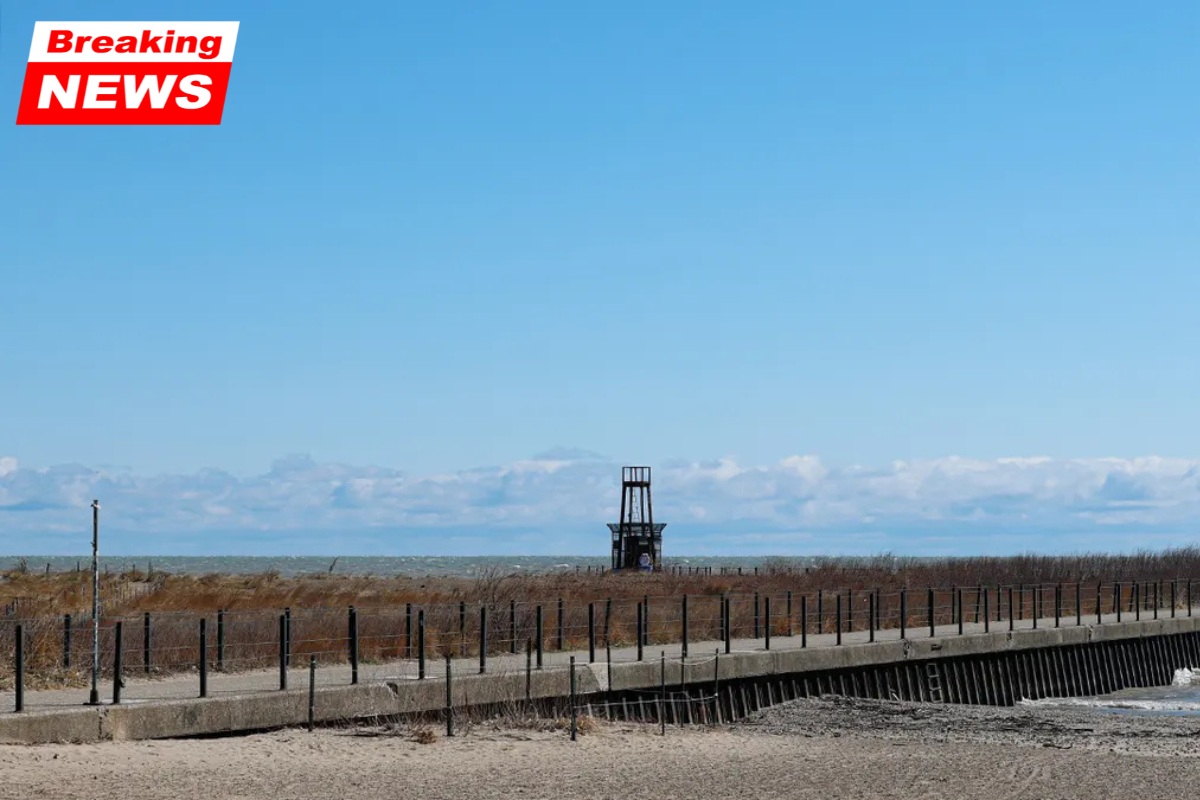
The incident took place in Chicago, near a pier in the Rogers Park area.
Sheridan Gorman, an 18-year-old student at Loyola University Chicago, was spending time with friends on March 19 when the situation turned deadly.
According to prosecutors, she noticed a man hiding behind a lighthouse and warned her friends. Moments later, the man allegedly chased the group and opened fire. Gorman was hit in the upper back and later died from her injuries.
Who is the suspect
Authorities identified the suspect as Jose Medina-Medina, 25.
Officials from the Department of Homeland Security said he entered the United States in 2023 and was later released after being apprehended at the border.
After the shooting, investigators used security footage and identification tools to track him. He was later identified through federal databases and eventually turned himself in.
Details revealed in court
During a recent court hearing, prosecutors described the attack as sudden and violent.
They said:
- The suspect was hiding before being noticed
- He chased the group after being seen
- He fired a gun, hitting Gorman
A police source described the shooting as an apparent ambush. Surveillance footage later showed the suspect inside his apartment building without a mask, helping police confirm his identity.
Family reactions and wider concerns
The tragedy has led to strong reactions from victims’ families.
Joe Abraham, whose daughter was killed in a separate case, spoke out after Gorman’s death. He warned that more lives could be lost if policies are not changed.
His daughter, Katie Abraham, died in a 2025 hit-and-run crash in Urbana involving another undocumented immigrant.
He said both cases show a pattern of violence and called for changes in immigration policies, arguing that current systems are not protecting innocent people.
Background of the suspect
The defence has shared details about Medina-Medina’s past.
According to his attorney:
- He previously suffered a serious gunshot wound to the head
- He has brain damage and limited cognitive ability
- He cannot read or write
- He suffers from epilepsy
- He had requested to be sent to Colombia but was instead transported to Chicago
It was also stated that he contracted tuberculosis while staying in a shelter.
These details may play a role in the legal proceedings as the case moves forward.
Remembering the victims
Sheridan Gorman has been remembered as a kind and vibrant person who made others feel valued and included. Her obituary described her as someone who brought warmth and positivity to everyone around her.
Similarly, Katie Abraham was remembered by her father as a caring and energetic young woman who loved sports and life.
Both families now face a future shaped by loss, with many plans and dreams left unfinished.
Why this case is important
This case has become part of a larger discussion around:
- Public safety and violent crime
- Immigration policies and enforcement
- Mental health and legal responsibility
- Support systems for victims and families
It also shows how individual tragedies can influence national conversations.
A complex and emotional issue
The death of Sheridan Gorman is not just a criminal case — it is also part of a broader and sensitive debate. While the legal process will determine guilt and punishment, the emotional impact on families and communities is already clear.
Cases like this often lead to strong opinions from different sides. Some focus on policy changes, while others highlight the need for careful handling of legal and humanitarian issues.
As the investigation and court proceedings continue, this case will likely remain in the spotlight. It reflects the difficult balance between law, policy, and human lives — and the urgent need to ensure safety while addressing complex social challenges.