It’s turning into one of the most consequential legal fights over the federal workforce in years—and not just inside the FBI. Three dismissed agents are now asking a court to do something rare: rewind firings tied to one of the most politically charged investigations in modern U.S. history.
At the center of it all is a blunt claim—these agents weren’t removed for performance, but for doing their jobs.
The Lawsuit: More Than Just Three Agents
Filed in federal court in Washington, the lawsuit technically names three former FBI agents—Michelle Ball, Jamie Garman, and Blaire Toleman. But make no mistake, this isn’t a narrow case.
They’re seeking class-action status, which could expand the case to include at least 50 agents fired since early 2025.
Here’s what they’re asking for:
| Request | What It Means |
|---|---|
| Reinstatement | Get their FBI jobs back |
| Declaration of rights violations | Court affirms firings were unlawful |
| Class-action certification | Extend relief to dozens of other agents |
If the court agrees to that last point, this could snowball quickly—turning a personnel dispute into a systemic legal challenge.
The Core Allegation: Retaliation, Not Reform
The agents argue they were part of a “retribution campaign” tied to their involvement in the investigation into Trump’s efforts to overturn the 2020 election.
That investigation, led by Special Counsel Jack Smith, resulted in a 2023 indictment accusing Trump of attempting to subvert election results. The case was later dropped after Trump returned to office in 2024, due to longstanding Justice Department policy that sitting presidents cannot be prosecuted (https://www.justice.gov/olc/opinion/president-and-criminal-prosecution).
But the agents’ argument is simple:
their work on that case later made them targets.
They claim they were:
- Fired without formal charges
- Given no meaningful chance to respond
- Labeled as politically biased without evidence
And crucially, they say their records were “exemplary and unblemished” over careers spanning 8 to 14 years.
Who’s Being Sued—and Why That Matters
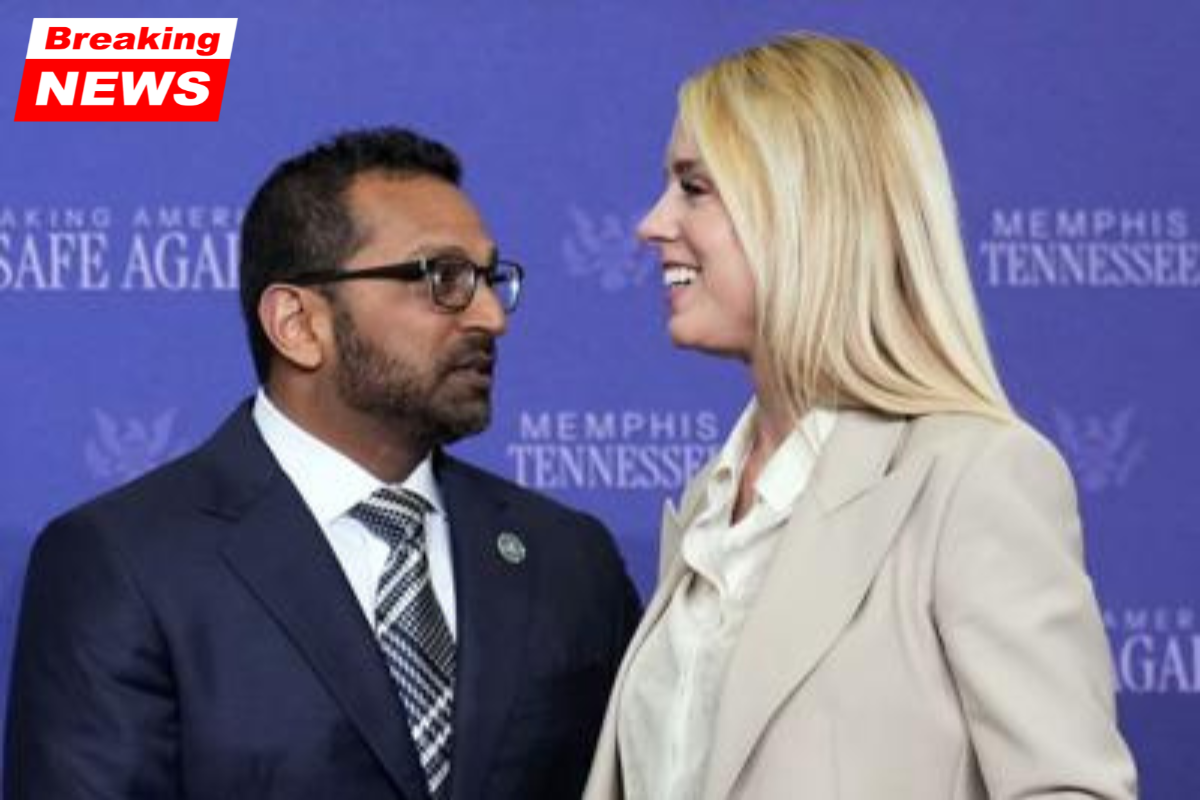
The lawsuit names two high-profile defendants:
- FBI Director Kash Patel
- Attorney General Pam Bondi
The agents argue both officials had prior involvement in matters related to Trump—either as witnesses or legal advocates—and therefore shouldn’t have overseen decisions impacting investigators tied to those same cases.
That’s a serious accusation. Not just wrongful termination—but conflict of interest at the highest levels of federal law enforcement.
A Wider Purge Inside the FBI
This case doesn’t exist in isolation.
Over the past year, dozens of FBI employees have reportedly been pushed out under Patel’s leadership. The stated reasoning from administration officials: rooting out what they describe as “weaponization” of federal law enforcement.
But critics—and now this lawsuit—frame it differently: as a loyalty-driven purge.
Other firings mentioned in related legal challenges include:
| Case Type | Example |
|---|---|
| Political expression | Agent photographed kneeling during 2020 protests |
| Workplace identity | Trainee displaying LGBTQ+ flag |
| Senior leadership | Former acting FBI director removed |
That range suggests something broader than a single investigation—it points to a cultural and ideological reshaping of the bureau.
The Constitutional Argument
Zoom out, and this case is really about something bigger than jobs.
The agents’ lawyer framed it in constitutional terms:
federal employees—especially in law enforcement—must be able to follow evidence “without fear or favor.”
That phrase matters.
Because if agents believe their careers depend on political alignment rather than investigative integrity, it changes how the system functions at its core.
The lawsuit essentially asks:
- Can federal agents investigate powerful figures without risking their jobs?
- Where’s the line between policy direction and political interference?
- What due process protections actually apply to FBI personnel?
Those aren’t abstract questions—they go straight to how independent federal law enforcement really is.
The Government’s Position
So far, the FBI and Justice Department have declined to comment on the lawsuit.
But Patel and Bondi have previously defended the firings, arguing that certain agents and prosecutors were involved in politically motivated investigations against Trump.
That’s the central clash:
| Plaintiffs’ View | Government’s View |
|---|---|
| Retaliation for lawful work | Accountability for biased actions |
| Violation of due process | Necessary reform of agency |
| Political interference | Correction of “weaponization” |
The court won’t just be weighing facts—it’ll be weighing narratives.
Why This Case Could Have Real Consequences
If the plaintiffs win—even partially—it could:
- Force reinstatement of fired agents
- Trigger reviews of past terminations
- Set limits on how political leadership can reshape federal agencies
If they lose, it could reinforce the authority of political appointees to make sweeping personnel changes inside agencies like the FBI.
Either way, the ripple effects go beyond one bureau.
The Timing Isn’t Accidental
This legal battle comes at a moment when trust in institutions—especially law enforcement—is already fragile.
And cases like this don’t just play out in courtrooms. They play out in public perception.
Because the underlying tension isn’t new:
- Independence vs. accountability
- Career civil service vs. political leadership
- Law enforcement vs. politics
This lawsuit just puts those tensions under a microscope.
What Happens Next
The immediate question is whether the court grants class-action status.
That decision alone could determine whether this becomes:
- A contained employment dispute
- Or a sweeping legal reckoning over FBI staffing decisions
From there, the case will likely hinge on internal records, termination procedures, and whether due process protections were actually followed.
And given what’s at stake, don’t expect a quick resolution.