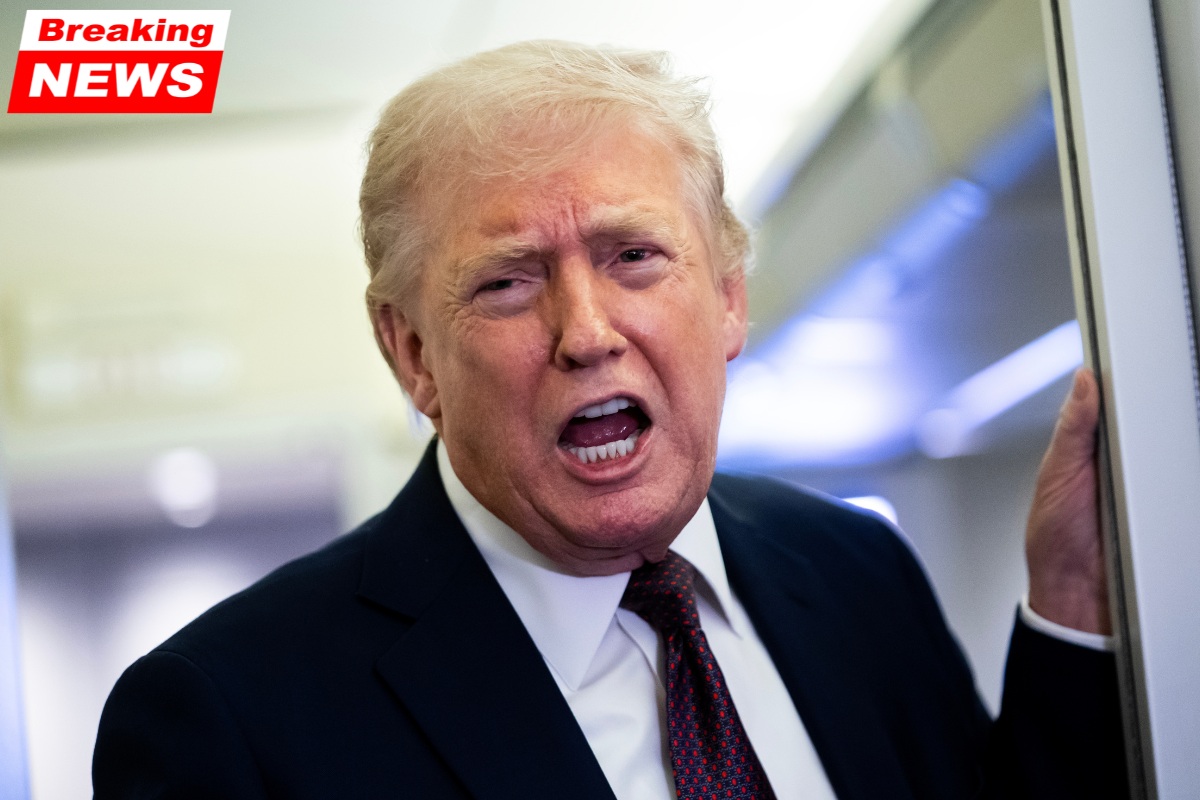
In a dramatic move, President Donald Trump ordered the withdrawal of 5,000 U.S. troops from Germany on May 2, reducing the American military presence in the country by approximately 14%. The decision, which NATO described as a reminder of Europe’s need to increase its defense investment, comes at a time of increasing political tensions between Trump and German Chancellor Friedrich Merz over U.S. strategies, particularly in the ongoing Iran war.
Details of the Withdrawal
The decision to pull troops from Germany, confirmed by Pentagon spokesperson Sean Parnell, is set to be completed within six to twelve months. It marks the largest reduction in U.S. military presence in Germany in decades and the second major reduction in Europe in less than a year.
This decision follows a public feud between Trump and Merz, with Merz criticizing the U.S. strategy in the Iran war. Merz had publicly accused the U.S. of being “humiliated” by Iranian leadership and criticized the lack of a clear strategy.
Trump, responding to Merz’s remarks, hinted at a possible troop reduction in Germany, leading to a Twitter exchange, followed by the Pentagon’s formal announcement. Trump, during his travel aboard Air Force One, chose not to respond to questions about the withdrawal.
The official Pentagon statement attributed the withdrawal to a “thorough review” of the U.S. military posture in Europe and was framed as a decision to adjust U.S. forces to meet the changing requirements of defense needs on the ground. Notably, the statement did not reference the ongoing dispute between Trump and Merz.
The Impact of the Withdrawal
This move will affect around 5,000 of the 36,000 U.S. troops currently stationed in Germany. Germany is home to major U.S. military installations, including U.S. European Command and U.S.
Africa Command, as well as Ramstein Air Base, the largest U.S. Air Force base outside the continental United States. The presence of U.S. tactical nuclear weapons at Büchel Air Base under NATO’s nuclear-sharing agreement adds further strategic significance to the location.
While the Pentagon has confirmed the troop reduction, it did not specify what would happen to the remaining 30,000 troops in Germany or how this would affect the key military command structure there. The total U.S. military presence in Europe typically involves between 80,000 and 100,000 personnel depending on rotational deployments, exercises, and other factors.
Patriot Missile Systems and NATO Concerns
European security experts, however, have raised concerns beyond the troop numbers. Ed Arnold, a security analyst at the Royal United Services Institute in London, highlighted that the redeployment of Patriot missile systems and critical ammunition from Germany to the Middle East could create a significant gap in NATO’s air defense posture. Patriot batteries are complex systems that take years to procure and train operators for, making the shift a challenging issue for NATO’s readiness.
Trump’s NATO Pressures and the Burden-Sharing Debate
The decision to withdraw U.S. troops from Germany is a continuation of Trump’s sustained campaign to pressure NATO allies, particularly Germany, to increase their defense spending. Since taking office in 2025, Trump has repeatedly criticized European countries for not contributing enough to NATO’s defense budget. This pressure campaign, particularly regarding the Iran conflict, has shaped his contentious relationship with NATO.
The withdrawal serves as an act of leverage in Trump’s ongoing efforts to ensure that NATO allies meet their defense obligations. The 2025 NATO Summit saw all 32 NATO member states commit to investing 5% of their GDP annually into defense by 2035, a commitment that was largely driven by American demands, as acknowledged by NATO Secretary General Mark Rutte.
Germany’s Commitment to Increased Defense Spending
The timing of the withdrawal is particularly ironic given Germany’s recent defense spending commitments. Chancellor Merz has pledged that Germany will meet the 3.5% defense spending target by 2029, six years ahead of the NATO deadline.
This ambitious commitment was announced alongside a planned defense budget of over €108 billion for 2026. Rutte praised Germany’s shift, calling it an “impressive resolve” that signals Europe’s readiness to assume more responsibility for its own defense.
Despite these efforts, the Trump administration’s decision to withdraw troops shows that military presence and political relationships are being treated as separate issues. The move is perceived as a punishment for Merz’s criticism of the U.S. strategy in Iran, even as Germany’s defense spending increases.
NATO’s Diplomatic Response
NATO’s response to the withdrawal was diplomatically measured. NATO spokesperson Oana Lungescu avoided directly addressing Trump’s actions but framed the decision within the broader context of Europe strengthening its defense capabilities. She stated that the withdrawal “underscores the need for Europe to continue to invest more in defense and take on a greater share of responsibility for our shared security.”
This response reflects NATO’s desire to avoid publicly criticizing the U.S. while signaling that the alliance must continue to strengthen itself amidst the ongoing geopolitical challenges, especially in light of the Iran conflict.
Congressional Reactions
The withdrawal of U.S. troops has drawn bipartisan backlash in Congress. Senator Jack Reed (D-RI), the ranking Democrat on the Senate Armed Services Committee, called the decision “reckless” and suggested that it undermined the U.S. commitment to its allies. He warned that the withdrawal could have “irreversible consequences” for transatlantic relations and American influence in Europe.
On the other hand, Rep. Don Bacon (R-NE), a retired Air Force brigadier general, expressed support for NATO’s stance, noting that the greatest threat to the transatlantic community was not external enemies but the internal disintegration of the alliance.
The Path Forward
The decision to withdraw U.S. troops from Germany raises critical questions about the future of NATO and U.S.-European relations. As NATO’s next formal review of defense spending is scheduled for 2029, the trajectory of American military reductions and European military growth will be closely scrutinized.
While NATO remains confident in its ability to defend the alliance, the pace of U.S. force reductions may outstrip Europe’s ability to make up the gaps in military capability. NATO’s ability to compensate for the U.S. withdrawal will depend on long-term investments in military infrastructure, equipment, and training, which will take time to develop.
As the situation evolves, the ability of Europe to take on more responsibility for its security and the strategic implications of the U.S. military presence in Europe will be a central issue in transatlantic relations and NATO’s future direction.