
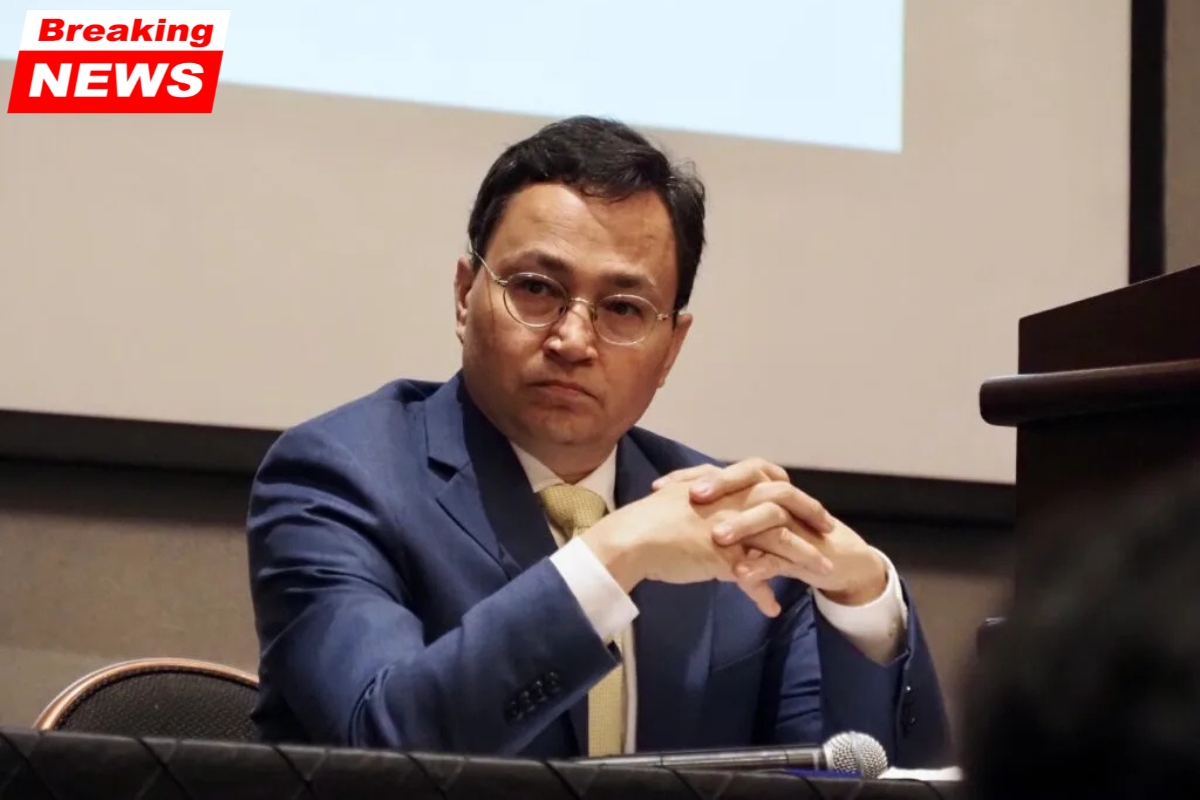
A fresh political disagreement in Oklahoma has brought attention to the relationship between state leaders and tribal authorities. The issue began after a speech on Medicaid expansion led to a strong reaction from state leadership, raising questions about free expression, policy debate, and intergovernmental respect.
Dispute Over House Floor Speech
The controversy involves Chuck Hoskin Jr., who recently spoke on the Oklahoma House floor as an invited guest. During his address, he defended Medicaid expansion and highlighted its importance for thousands of residents.
However, House Speaker Kyle Hilbert said the speech crossed a line by taking a political position. He stated that the House floor is not the right place for policy advocacy, especially when it goes against the majority view of lawmakers.
Decision to Bar Future Speaking Invitations
Following the speech, Hilbert announced that Hoskin would not be invited back to speak in a similar capacity on the House floor. He clarified that while communication between state leaders and tribal officials will continue, such discussions should happen in other forums.
Hilbert emphasised that invited guests are expected to avoid political messaging during formal appearances in the legislative chamber.
Hoskin’s Response and Concerns
In response, Chuck Hoskin Jr. expressed disappointment with the decision. He said that speaking about policies affecting tribal citizens has always been part of such addresses.
He also pointed out that neither he nor his predecessor had faced similar objections in the past. According to him, his speech focused on the impact of Medicaid expansion on around 2.5 lakh Oklahomans who rely on it for health coverage.
Hoskin added that he did not receive any negative feedback immediately after the speech and even received support from lawmakers across party lines.
Medicaid Expansion at the Centre of Debate
The disagreement highlights ongoing debates around Medicaid expansion in Oklahoma. The programme, originally approved by voters in 2020, provides health coverage to low-income working individuals.
Recent legislative efforts aim to revisit or modify the programme, which has become a sensitive issue. Tribal leaders argue that Medicaid expansion has significantly benefited both healthcare systems and the local economy.
According to tribal estimates, the programme has contributed hundreds of millions of dollars to healthcare services and regional economic growth.
Broader State-Tribal Tensions
This incident is part of a larger pattern of disagreements between Oklahoma state leaders and tribal governments. In recent years, both sides have clashed over issues such as taxation, gaming agreements, legal authority, and public services.
Despite these tensions, both sides have indicated a willingness to continue dialogue. Hoskin himself said that the overall relationship is strong enough to move past this disagreement.
Mixed Reactions from Lawmakers
While Hilbert took a firm stance, other leaders responded differently. A spokesperson for Senate President Pro Tem Lonnie Paxton said no similar action would be taken in the Senate, suggesting a more flexible approach.
Hoskin also noted that he received applause and positive reactions from many lawmakers during his speech, indicating that opinions within the legislature are not uniform.
The situation involving Chuck Hoskin Jr. and Kyle Hilbert reflects deeper issues around policy debate, communication, and respect between state and tribal governments. While the immediate disagreement centres on Medicaid expansion, it also raises broader questions about where and how important public issues should be discussed.
As both sides continue to engage, the focus will likely remain on balancing open dialogue with institutional boundaries, while maintaining a working relationship that benefits the people they serve.






